The Best Fluffy Pancakes recipe you will fall in love with. Full of tips and tricks to help you make the best pancakes.
How to Organise a Small Kitchen Efficiently: Smart Space Hacks

A small kitchen can feel like a puzzle. Every plate, pan, and packet of rice needs its own spot. But with clever planning, even the tiniest kitchen can become a space that’s easy to cook in, clean, and enjoy. If you’re tired of messy worktops or searching forever for a spatula, you’re not alone.
Many people face these problems, but there are smart solutions. This guide will show you practical steps to organise a small kitchen efficiently, save space, and make your daily routine smoother. Let’s get started.
Understanding Your Kitchen Space
Before you start buying organisers or moving things around, it’s important to know your kitchen. Take a good look at the layout. Is it a galley, L-shape, or straight line? Each shape has its own challenges and advantages.
Measure your shelves, drawers, and cupboards. Make a simple drawing of your kitchen, marking the size and location of all storage areas. This helps you see where space is being wasted or crowded. For example, many people forget about the back of cupboard doors or the empty space above cabinets.
Take note of natural light and how easy it is to move around. The more you understand your space, the better you can plan.
Decluttering: The First Step
A small kitchen can’t handle unnecessary items. Start by decluttering. Take everything out of your cupboards and drawers. Put items into three groups:
- Keep – You use it regularly.
- Donate/Sell – Still useful, but you don’t need it.
- Dispose – Broken or expired items.
Be honest with yourself. If you haven’t used a gadget in a year, will you really use it? Many people hold on to extra mugs, unused baking trays, or duplicate utensils. Removing these frees up valuable space.
A practical tip: Declutter in short sessions, like one drawer or shelf at a time, to avoid feeling overwhelmed.
Smart Zoning For Efficiency
Divide your kitchen into work zones. This is how professional chefs organise their spaces. For a home kitchen, you can use these zones:
- Preparation Zone: Chopping boards, knives, mixing bowls.
- Cooking Zone: Pots, pans, spatulas.
- Cleaning Zone: Sink, soap, sponges.
- Storage Zone: Food, spices, containers.
Keep items close to their zone. For example, store pots near the hob and plates near the dishwasher or sink. This reduces walking back and forth and makes cooking easier.
You may like: Top Kitchen Accessories for Modular Kitchen
Maximising Vertical Space
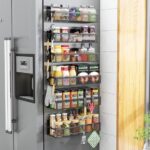
Many small kitchens waste vertical space. Instead, use your walls and the inside of cupboard doors.
Install shelves or rails above worktops for spices, mugs, or utensils. Use hooks to hang pans or oven mitts. Try stacking shelves inside cupboards to double the storage.
Here’s a comparison of different vertical storage options:
| Solution | Best For | Pros | Cons |
|---|---|---|---|
| Open shelves | Everyday items | Easy access, decorative | Can look cluttered |
| Wall rails with hooks | Utensils, pans | Flexible, space-saving | Needs wall space |
| Stacking racks | Cupboards | Double storage, cheap | Can reduce head space |
Don’t forget about the top of your fridge or cabinets. Store less-used items there in decorative baskets or boxes.

Credit: neatmethod.com
Drawer And Cupboard Organisation
Drawers can quickly become messy. Use drawer dividers for cutlery and small tools. In cupboards, use pull-out racks or lazy Susans to reach items at the back.
Here are some ideas to organise common areas:
- Cutlery drawers: Use trays with separate sections for each item.
- Deep drawers: Store pots vertically, lids on their sides or in a rack.
- Corner cupboards: Install rotating shelves for easy access.
- Under sink: Use stackable bins for cleaning supplies.
A non-obvious tip: Store baking trays and chopping boards upright, not flat. This saves space and makes each one easy to grab.
Related: Best Kitchen Accessories for Wall
Choosing The Right Storage Solutions
Not all organisers are created equal. Here’s a quick comparison of common storage options for small kitchens:
| Organiser Type | Ideal Use | Space Saving | Cost |
|---|---|---|---|
| Stackable containers | Dry food | High | Medium |
| Pull-out baskets | Deep shelves | Medium | Low |
| Magnetic strips | Knives, spice jars | High | Low |
| Tiered racks | Spices, cans | Medium | Low |
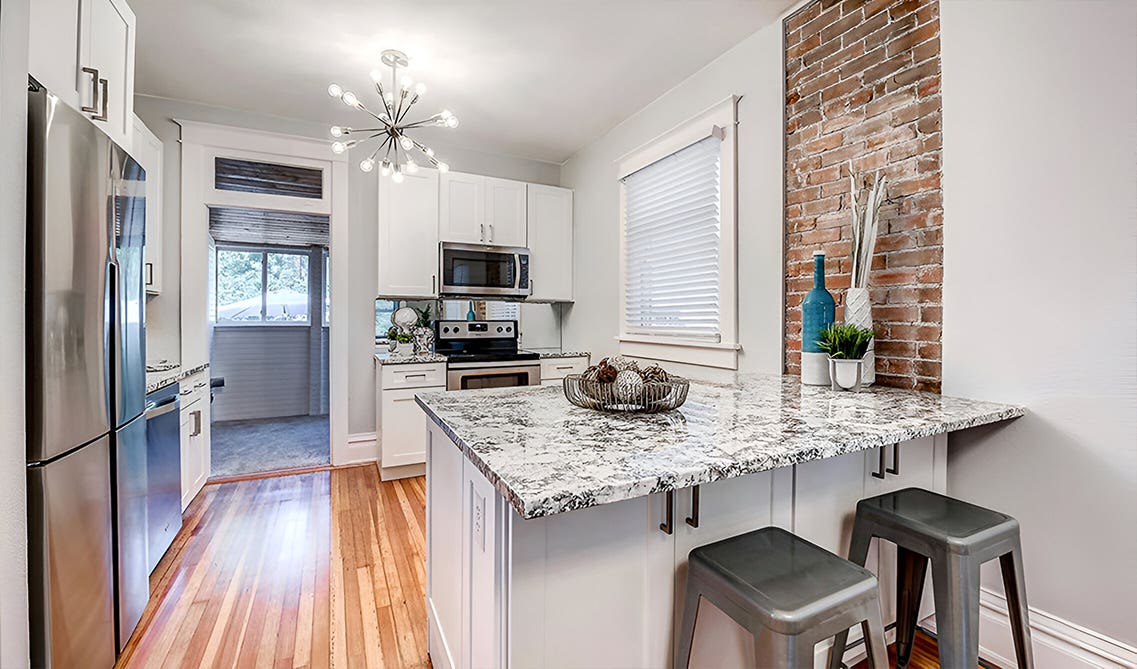
Choose organisers that fit your space and needs. Sometimes, a simple solution like a tension rod under the sink to hang spray bottles can free up a lot of room.
Credit: www.lilyanncabinets.com
Making Use Of Hidden Spaces
Many kitchens have hidden spaces that are easy to miss. These include:
- Inside cupboard doors: Mount small racks for foil, wraps, or spices.
- Toe-kick drawers: These shallow drawers at floor level are great for baking trays or chopping boards.
- Backs of appliances: The area behind your microwave can hold flat items.
- Under-shelf baskets: Slide these onto existing shelves for more storage.
A good example: If your kitchen has a narrow gap between the fridge and wall, use a slim rolling cart for tins, bottles, or cleaning supplies.
Streamlining Appliances And Tools
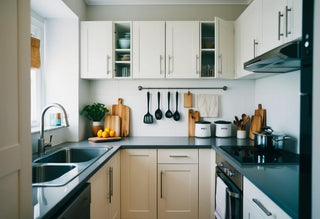
Small kitchens can’t handle too many gadgets. Choose multi-purpose appliances. For example, a hand blender can replace a food processor, and a single pot can do the work of a slow cooker if you know how.
Store only what you use often on the worktop. Keep less-used items in hard-to-reach cupboards or even outside the kitchen. For instance, keep the waffle maker in a hall cupboard if you use it once a month.
A common mistake is keeping every appliance you own within arm’s reach. This eats up precious space and makes your kitchen feel crowded.
Credit: giraffyco.com
Food Storage: Smart And Safe
Storing food well saves space and keeps it fresh. Use clear, stackable containers for dry goods like pasta, rice, and flour. Label each container with the name and expiry date. This makes it easy to see what you have and when it expires.
Keep the oldest items at the front so you use them first. In the fridge, use bins to group similar items—like cheeses, snacks, or sauces—so nothing gets lost at the back.
A non-obvious tip: Store herbs in a glass of water on the windowsill, just like flowers. They last longer and free up fridge space.
Keeping Worktops Clear
Worktops are for preparing food, not storage. Keep out only daily essentials, like a kettle or toaster. Store everything else in cupboards or on shelves.
If you need extra workspace, use a folding table or a cutting board over the sink. These add work area when needed and can be put away easily.
A good rule: For every new item you add to the worktop, remove one. This keeps clutter under control.
Regular Maintenance: Keeping It Organised
Organisation is not a one-time job. Spend 10 minutes each week to tidy drawers, wipe shelves, and check food expiry dates. This prevents clutter from building up again.
A monthly task: Review what’s in your kitchen. If you haven’t used something in the last three months, consider donating it.
Design Tricks To Make Your Kitchen Feel Bigger
Even if your kitchen is small, you can make it look and feel more spacious with these tricks:
- Use light colours on walls and cupboards.
- Add mirrors or shiny tiles to reflect light.
- Choose simple, matching containers for a tidy look.
- Use open shelving for everyday items, but don’t overfill.
Lighting also matters. Bright, warm lights make a space feel bigger and more welcoming.
Common Mistakes And How To Avoid Them
- Overfilling shelves: This makes it hard to see and reach things. Leave some gaps.
- Ignoring vertical space: Use walls and the backs of doors.
- Keeping broken or duplicate items: Regularly check and remove these.
- Not labelling containers: Unlabelled food can go to waste.
- Storing rarely used appliances on worktops: Keep only daily items out.
Real-life Example: A 2-metre Galley Kitchen
Consider a typical London flat with a 2-metre-long galley kitchen. At first, it had crowded worktops, overflowing drawers, and food stored in random places.
After following these steps:
- All food was moved into labelled, stackable containers.
- A rail with hooks was installed for utensils.
- A folding table was placed over the washing machine for extra prep space.
- The owner donated gadgets she hadn’t used in 2 years.
- Now, cooking is faster, and cleaning takes half the time.
Useful Resources
If you want more ideas, the Which? Kitchen Storage Ideas page offers creative solutions for UK homes.
Frequently Asked Questions
How Do I Decide What To Keep In My Small Kitchen?
Keep only items you use regularly and that fit your cooking style. If you haven’t used something in six months, consider donating it. Focus on multi-purpose tools and get rid of duplicates.
What Is The Best Way To Store Dry Food In A Small Kitchen?
Use clear, stackable containers and label them with expiry dates. This saves space and helps you see what you have. Store older food at the front so it gets used first.
How Can I Make My Small Kitchen Look Less Cluttered?
Use matching containers and baskets, stick to light colours, and keep worktops clear. Store small appliances out of sight and use vertical storage like shelves and hooks.
Are Open Shelves Good For Small Kitchens?
Open shelves can work well if you keep only a few, attractive items on display. Don’t overfill them, as this can look messy. Use them for things you use every day.
What Is A Non-obvious Way To Create Extra Space?
Install a toe-kick drawer at floor level or add a shelf above the door for rarely used items. You can also use a rolling cart in a narrow gap for flexible storage.
A well-organised small kitchen feels bigger, works better, and makes cooking a joy. By following these steps, you’ll create a space that fits your life and your favourite recipes.