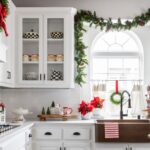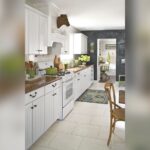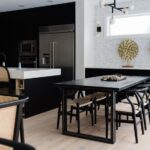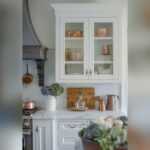

Every kitchen tells a story. The heart of many homes, the kitchen is where families gather, friends share secrets, and memories are made over meals. Yet, for all the attention given to cabinets, lighting, or countertops, one element quietly shapes the room’s personality: the kitchen table. Matching a kitchen table with your decor is more than just picking a piece that fits the space. It’s about harmony, function, and style. Whether you’re redesigning a rustic cottage kitchen, updating a modern flat, or making a rental feel like home, finding the right table can transform your kitchen from ordinary to inspiring.
Choosing a kitchen table is often confusing. There are so many shapes, materials, and finishes. Trends change, but your needs and taste are unique. Maybe you want a table that blends in. Maybe you want a bold centrepiece. Either way, understanding how to match a kitchen table with your decor will help you avoid expensive mistakes, create a welcoming space, and ensure your kitchen feels like you.
This guide will walk you through everything—styles, materials, sizes, colours, and finishing touches. You’ll learn what really matters, discover tips even experienced decorators miss, and get practical advice for every kind of kitchen. Let’s explore how to choose a kitchen table that truly fits your decor and your life.
Understanding Your Kitchen’s Style
Before you look at tables, get clear about your kitchen’s style. Matching is not just about colour—it’s about the mood, era, and details of your space.
Common Kitchen Styles
- Modern: Clean lines, minimalism, and often neutral colours. Think sleek materials like glass, metal, or high-gloss wood.
- Traditional: Rich woods, classic shapes, and warm tones. Details like turned legs or carved accents are common.
- Rustic/Farmhouse: Natural wood, distressed finishes, and a cosy, lived-in feel. Tables are often chunky with visible grain.
- Industrial: Exposed metal, reclaimed wood, and a raw, unfinished look. Pipes, bolts, and rivets can be part of the design.
- Transitional: A blend of modern and traditional. Neutral palettes with a mix of simple and classic elements.
- Scandinavian: Light woods, simple forms, and a focus on functionality. White or pastel colours dominate.
- Eclectic: A mix of styles and eras. Bold colours or unusual shapes may stand out.
Pro tip: If you’re not sure what your kitchen style is, look at your cabinets, flooring, and lighting. These major elements often set the tone.
Why Style Matters
A mismatched table can disrupt the flow of your kitchen. For example, a heavy, ornate table may look out of place in a modern, minimalist kitchen. On the other hand, a glass table might feel too cold in a rustic country kitchen.
Matching style helps your kitchen feel unified and intentional.
Considering Kitchen Size And Layout
The best kitchen table fits not just visually, but physically. Size and layout affect how a table works in your space.
Measuring Your Space
- Leave at least 90 cm (about 36 inches) between the edge of the table and any wall or cabinet. This allows people to move and chairs to slide.
- In smaller kitchens, consider round or square tables. They take up less space and fit into corners.
- For open-plan kitchens, a rectangular or oval table can help define the dining area.
Example: If your kitchen is 3m x 4m, and you have cabinets along one wall, a table measuring about 1.2m x 0.8m will allow comfortable movement.
Table Size Vs. Seating
Use this rough guide:
| Table Shape | Seats | Minimum Size |
|---|---|---|
| Rectangular | 4 | 120 x 75 cm |
| Rectangular | 6 | 150 x 90 cm |
| Round | 4 | 90 cm diameter |
| Round | 6 | 120 cm diameter |
Non-obvious insight: In small kitchens, benches instead of chairs can save space. You can tuck them fully under the table when not in use.
Don’t Miss: The Best Kitchen Accessories to Help Make Cooking a Breeze
Matching Materials And Finishes
Material is one of the first things people notice about a kitchen table. The right material can make your table last longer and keep your kitchen looking fresh.
Popular Table Materials
- Wood: Warm, classic, and durable. Goes well with most styles but especially traditional, farmhouse, and Scandinavian.
- Glass: Modern and makes spaces look larger. Easy to clean but shows fingerprints and scratches.
- Metal: Industrial or modern. Strong and easy to clean but can feel cold.
- Laminate: Budget-friendly and comes in many colours. Less durable than solid wood.
- Stone (marble, granite): Luxurious and unique, but heavy and needs care to avoid stains.
How To Choose Material
- For busy families, solid wood or laminate tables are practical. They stand up to spills and rough use.
- If you want to add lightness, a glass top can open up a cramped kitchen.
- To add character, reclaimed wood or a table with a live edge can be a conversation starter.
Practical tip: Match your table’s material to other kitchen elements. For example, if you have wood floors, pick a different tone or finish for the table to avoid a ‘blended’ look.
Finish And Maintenance
Some finishes are easier to keep clean. For example, glossy tables are wipeable but may show streaks. Matte finishes hide fingerprints better but can absorb stains. If you cook or eat at your table daily, choose a hard-wearing finish.
Colour Harmony And Contrast
Colour is powerful. It can make your kitchen table blend in or stand out. But it must fit with your overall decor.
Matching Or Contrasting?
- Matching: Choose a table colour close to your cabinets or floor. This creates a calm, unified look.
- Contrasting: Pick a table in a bold or different colour. This makes the table a focal point.
Example: In a white kitchen, a natural wood table adds warmth and contrast. In a dark kitchen, a white or light table can brighten the room.
Using The Colour Wheel
You don’t need to be an artist to use the colour wheel. Here’s a simple rule:
- Analogous colours (next to each other on the wheel) are harmonious. For example, blue and green.
- Complementary colours (opposite on the wheel) create strong contrast. For example, blue and orange.
Non-obvious insight: If your kitchen uses a lot of neutral colours (white, grey, beige), even a small pop of colour on the table (like painted legs) can make the space feel more lively.
Sample Colour Combinations
| Kitchen Decor | Suggested Table Colour | Effect |
|---|---|---|
| White & Light Grey | Natural wood | Warm, inviting |
| Dark Cabinets | White or glass | Bright, open |
| Colourful walls (blue/green) | Neutral table (grey, white) | Balanced, modern |
| Earth Tones | Deep brown or black | Rich, dramatic |
Choosing The Right Table Shape
Shape affects both function and feel. The right shape can make your kitchen more comfortable and attractive.
Rectangular
The most common shape. Fits narrow kitchens or open plans. Offers the most seating for the size. Easy to push against a wall if needed.
Square
Good for small spaces and creates a sense of intimacy. Works best for four people. Not ideal for large families.
Round
No sharp corners—safer for kids and easier for conversation. Great for small to medium spaces. Can fit more people without crowding.
Oval
Combines the seating of rectangular with the friendliness of round. Good for long, narrow rooms. The curved edges soften the look.
Pro tip: If your kitchen is open to the living room, a round table can help create a distinct, social space.
Coordinating Table And Chair Styles
Chairs are just as important as the table. You can match them exactly or mix for a more relaxed feel.
Matching Sets
- Unified look: Easy and safe. Works well in formal or traditional kitchens.
- Downside: Can feel predictable or too uniform.
Mixed Chairs
- Eclectic charm: Mix styles, colours, or materials for personality.
- How to do it: Keep one element the same (like chair height or seat colour) to avoid a chaotic look.
Example: Pair a farmhouse table with metal industrial chairs for an on-trend, balanced look.
Bench Seating
Benches are space-saving and casual. They’re perfect for kids and can be tucked away easily. You can mix a bench on one side with chairs on the other.
Practical tip: If you use a bench, make sure it’s stable and comfortable. Add cushions for extra comfort.
Credit: www.wayfair.com
Blending With Kitchen Flooring
Your floor is a big part of your kitchen’s visual impact. The table should not clash with it.
Wooden Floors
- Choose a table that’s either much lighter or much darker than the floor.
- Avoid matching the table exactly to the floor colour, as it can look monotonous.
Tile Or Stone Floors
- Wood or metal tables add warmth against cool tiles.
- For patterned tiles, pick a plain table to avoid visual overload.
Vinyl Or Laminate
- These floors are often neutral. You have more freedom to choose bold table colours or finishes.
Expert insight: Lay a rug under the table if you want to separate it from the floor visually. Just make sure it’s large enough—chairs should still sit on the rug when pulled out.
Lighting And Atmosphere
Lighting affects how your table looks and feels. The right lighting can make your kitchen table the star of the room.
Types Of Lighting
- Pendant lights: Hang over the table, creating a cosy focus.
- Recessed lights: Spread light evenly but can feel less intimate.
- Wall sconces: Add mood and highlight the table area.
Matching Table And Lighting
- For a modern table, pick a sleek pendant or geometric fixture.
- For rustic tables, use warm, soft lighting—think lantern-style or Edison bulbs.
Pro tip: Hang the light about 75-90 cm above the table for the right balance between brightness and comfort.

Credit: www.edwardmartin.com
Accessorising Your Table
The right accessories can make your kitchen table both functional and beautiful.
Table Linens
- Tablecloths: Add colour and protect the table, but can look formal.
- Runners: Add style without covering the whole table.
- Placemats: Practical for daily use. Easy to clean.
Centrepieces
- Fresh flowers, a bowl of fruit, or a cluster of candles work well.
- Keep centrepieces low so people can see each other.
Seasonal Decor
- Change with the seasons: Fresh flowers in spring, small pumpkins in autumn, candles in winter.
- Don’t overcrowd the table; leave space for dishes and arms.
Non-obvious insight: For families, choose washable, stain-resistant accessories. Kids and daily meals can be tough on delicate decor.
Trending Now: When is the Best Time to Re-Decorate My Kitchen
Matching Table To Kitchen Storage And Appliances
Even appliances and cabinets influence your choice. You want all elements to relate without being identical.
Cabinet Colours And Styles
- Match the table’s style (not necessarily the colour) to your cabinets for harmony.
- For example, if you have shaker cabinets, a simple wooden table works well.
Appliance Finishes
- Stainless steel appliances pair well with metal or glass tables.
- White appliances work with almost any table colour.
Pro tip: Don’t try to match every detail. Focus on creating a balanced look—too much matching can feel forced.
Considering Your Family’s Needs
A beautiful table is important, but function matters just as much.
For Families With Young Kids
- Choose rounded corners for safety.
- Durable finishes (like sealed wood or laminate) resist stains and scratches.
For Entertainers
- Extendable tables give you flexibility for guests.
- Benches or stackable chairs make adding seats easy.
For Small Spaces
- Drop-leaf tables or fold-out designs can expand when needed.
- Use stools or benches that tuck away.
Practical tip: Think about how you use your kitchen most—everyday meals, homework, parties? The best table fits your real life, not just your dream photo.
Budgeting And Value
Kitchen tables range from budget buys to investment pieces. Price doesn’t always mean quality.
Price Ranges
| Type | Average Price (UK) | Pros | Cons |
|---|---|---|---|
| Laminate | £60-£200 | Affordable, many styles | Less durable |
| Solid wood | £200-£700 | Durable, classic | Heavier, pricier |
| Glass/Metal | £150-£500 | Modern look, light | Shows marks, can chip |
| Designer/Custom | £700+ | Unique, long-lasting | High cost |
Getting The Best Value
- Check construction: Solid joints and stable legs mean longer life.
- Consider second-hand or vintage tables for quality at a lower price.
- Factor in delivery and assembly costs.
Pro tip: Sometimes, a simple table with great accessories looks better than an expensive, showy table on its own.
Sustainability And Eco-friendly Choices
More people are choosing sustainable furniture for their homes.
Eco-friendly Materials
- Reclaimed wood: Uses old wood, saves trees, adds character.
- Bamboo: Fast-growing, renewable, and strong.
- Certified sustainable wood: Look for FSC or PEFC labels.
Other Green Tips
- Buy local to reduce shipping emissions.
- Choose quality over quantity—a durable table lasts decades, saving money and resources.
Non-obvious insight: Check for low-VOC finishes to keep your indoor air healthy.
Shopping Tips And Common Mistakes
Buying a kitchen table can be overwhelming. Avoid these common mistakes:
Mistakes To Avoid
- Ignoring measurements: Always measure your space and doorways before buying.
- Forgetting about use: Don’t choose a delicate table if you have pets or kids.
- Over-matching: Too much matching can look dull. Aim for coordination, not copies.
- Skipping the sit test: Try tables and chairs in person if possible. Comfort is key.
- Overlooking maintenance: Some finishes need regular care. Make sure you’re ready for the upkeep.
Smart Shopping Tips
- Bring photos of your kitchen when you shop.
- Check return policies—sometimes the table looks different at home.
- Read reviews and ask about warranties.
For more in-depth furniture buying advice, you can check resources like Which?.
Credit: belleze.com
Final Touches: Making Your Table Part Of The Home
Once your table is in place, make it feel like part of your kitchen’s story.
- Add a personal touch with family photos or a favourite bowl.
- Change accessories with the seasons for variety.
- Encourage family and friends to gather—memories make a table truly special.
A well-chosen kitchen table is more than just furniture. It becomes the centre of daily life, a place for food, laughter, and connection. With thoughtful matching, your table will not only fit your decor but also add comfort and joy to your home.
Frequently Asked Questions
How Do I Know What Size Kitchen Table I Need?
Measure your space first. Leave at least 90 cm around the table for chairs and movement. For small kitchens, a round or drop-leaf table can save space. For large families or entertainers, consider an extendable table.
Should My Kitchen Table Match My Cabinets?
Not exactly. It’s better to coordinate styles rather than match colours exactly. For example, if you have modern cabinets, choose a simple table. If your cabinets are traditional, a classic wood table works well.
What Is The Best Material For A Kitchen Table?
Solid wood is durable and classic, but glass and metal can suit modern spaces. Laminate is affordable and easy to clean. Choose the material based on your style, budget, and how much use the table will get.
Can I Mix Different Chair Styles With My Table?
Yes! Mixing chair styles can add interest and personality. Just keep one element (like colour or height) consistent to avoid a messy look. For example, use different chairs painted the same colour.
How Do I Care For My Kitchen Table?
Wipe up spills quickly. Use placemats or tablecloths to protect the surface. For wood tables, use gentle cleaners and polish occasionally. For glass, use a soft cloth to avoid scratches. Check manufacturer’s instructions for specific care tips.
Matching your kitchen table with your decor is a journey—not just a one-time choice. With the right information, you can create a kitchen that feels welcoming, functional, and truly yours.