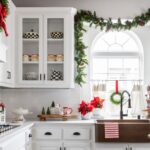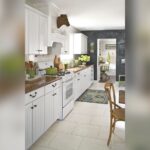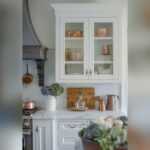

A white kitchen is often seen as a canvas—clean, fresh, and full of possibilities. But while the simplicity of white gives a sense of space and calm, it can also feel empty or cold if not decorated well. Many people struggle to turn their white kitchen into a place that feels warm, stylish, and personal.
The good news? Decorating a white kitchen is much easier than you might think, and you don’t need a huge budget or professional help to make it stunning.
Whether you want a modern look, a cosy vibe, or something bold, this guide will show you practical ways to bring life and character to your white kitchen. You’ll learn how to use colour, texture, lighting, and accessories to create a space that fits your taste and lifestyle.
We’ll cover common mistakes, offer non-obvious tips, and show real examples to make the process easy, even if English is not your first language. By the end, you’ll have a complete plan for decorating your white kitchen with confidence.
Understanding The White Kitchen’s Potential
Before you start decorating, it’s important to know why white kitchens are so popular and how to use their strengths. White reflects light, making the space look bigger and brighter. It also works with any style—modern, classic, rustic, or industrial. But the biggest advantage is flexibility: you can change the look easily with new accessories or colours.
Many people worry that a white kitchen will look boring or hard to keep clean. In reality, white surfaces show dirt, but they also help you spot and clean mess quickly. Plus, a white background makes every decoration stand out.
Non-obvious Insight: White Isn’t Just One Shade
There are many types of white—cool white, warm white, off-white, and even greyish white. If your kitchen feels cold, check if the white is too cool (bluish). Choosing warmer shades (with a hint of yellow or beige) can make your kitchen feel softer.
Non-obvious Insight: White Highlights Details
In a white kitchen, every detail—like handles, taps, or even jars—becomes more visible. This means small changes can have a big impact. For example, swapping silver handles for black or gold can change the whole mood.
Choosing A Colour Palette
A white kitchen gives you freedom to add any colour. But too many colours can make the space feel messy. The best way is to pick a colour palette—a set of 2-3 main colours that work well together.
Accent Colours
Accent colours are used in small amounts to add interest. Popular choices include blue, green, grey, black, and wood tones. For a bold look, try red or yellow. For calm, use pastel shades.
How To Select Your Palette
- Decide the mood you want: Warm, cool, energetic, or calm.
- Choose one main accent colour and one supporting colour.
- Use these colours in accessories, textiles, and decor.
Example Colour Palettes
| Style | Main Accent | Supporting Colour | Effect |
|---|---|---|---|
| Modern | Black | Grey | Bold, sophisticated |
| Cosy | Beige | Soft green | Warm, inviting |
| Fresh | Light blue | Natural wood | Clean, airy |
| Rustic | Terracotta | Olive green | Earthy, charming |
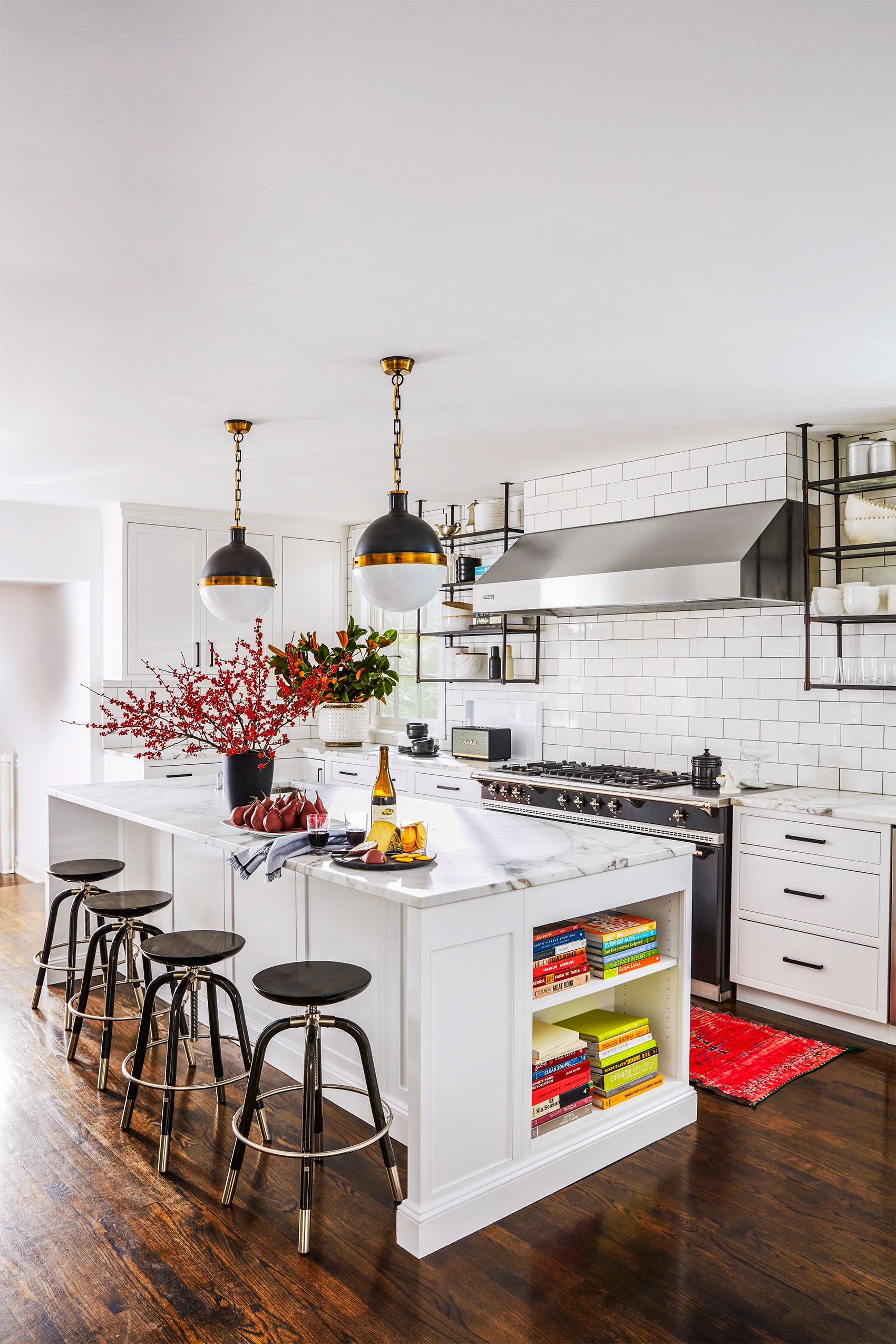
Credit: www.housebeautiful.com
Adding Texture For Depth
White surfaces can look flat. Texture makes your kitchen feel more lively and interesting. You can add texture in several ways:
Materials And Surfaces
- Wood: Wooden shelves, stools, or chopping boards bring warmth.
- Metal: Brushed steel, copper, or gold taps and handles add shine.
- Ceramics: Patterned tiles, pottery, or stoneware give a handmade feel.
- Textiles: Rugs, cushions, and curtains create softness.
Practical Example
Place a woven basket on the counter for fruit, or use linen tea towels instead of regular cotton. These small additions are easy to change and clean.
Common Mistake
Many people use only shiny surfaces in a white kitchen. This can make the room look too clinical. Mix glossy and matte finishes for balance.
Creating Focal Points
A focal point draws attention and gives the kitchen personality. In a white kitchen, focal points stand out even more.
Popular Focal Points
- Splashback: Use patterned tiles or colourful glass behind the hob.
- Statement lighting: Hang a bold pendant lamp over the island.
- Artwork: Place a framed print or painting on a blank wall.
- Open shelving: Display unique dishes, cookbooks, or plants.
How To Choose Your Focal Point
Pick something that fits your lifestyle. If you cook often, make the hob area special. If you love hosting, focus on the dining space.
Using Lighting For Atmosphere
Good lighting can change everything. In a white kitchen, light bounces off surfaces, but you still need layers of light for warmth.
Types Of Lighting
- Ambient lighting: Main ceiling lights for overall brightness.
- Task lighting: Lights under cabinets for work areas.
- Accent lighting: Small lamps or LEDs to highlight features.
Best Practices
- Use warm white bulbs (2700K–3000K) for a cosy feel.
- Add dimmers to control brightness for day and night.
- Mix different types of lights for flexibility.
Lighting Comparison
| Lighting Type | Purpose | Best Location | Recommended Bulb |
|---|---|---|---|
| Ambient | General illumination | Ceiling | LED panel or pendant |
| Task | Focused work | Under cabinets | Strip LED (warm white) |
| Accent | Highlight features | Shelves, walls | Spotlight or lamp |
Non-obvious Insight: Lighting Placement Matters
Placing lights close to walls creates shadows that add depth. Too much direct light can make the kitchen look flat.
Choosing Accessories And Decor
Accessories are the easiest way to decorate a white kitchen. They’re affordable, easy to change, and add personality.
Types Of Accessories
- Cookware: Colourful pots or pans on display.
- Textiles: Tea towels, oven mitts, rugs.
- Plants: Herbs or small indoor plants for greenery.
- Tableware: Plates, cups, bowls with patterns or colours.
- Art: Prints, photos, or wall hangings.
How To Style Accessories
- Group similar items together for impact (e.g., three matching jars).
- Use odd numbers—three or five items look better than two or four.
- Change accessories by season for variety.
Real Example
In a white kitchen, a row of bright red cups and a matching kettle can create a lively look. Swapping these for pastel colours in spring gives a fresh feel.
Common Mistake
Don’t overcrowd surfaces. Leave some space empty so each accessory stands out.
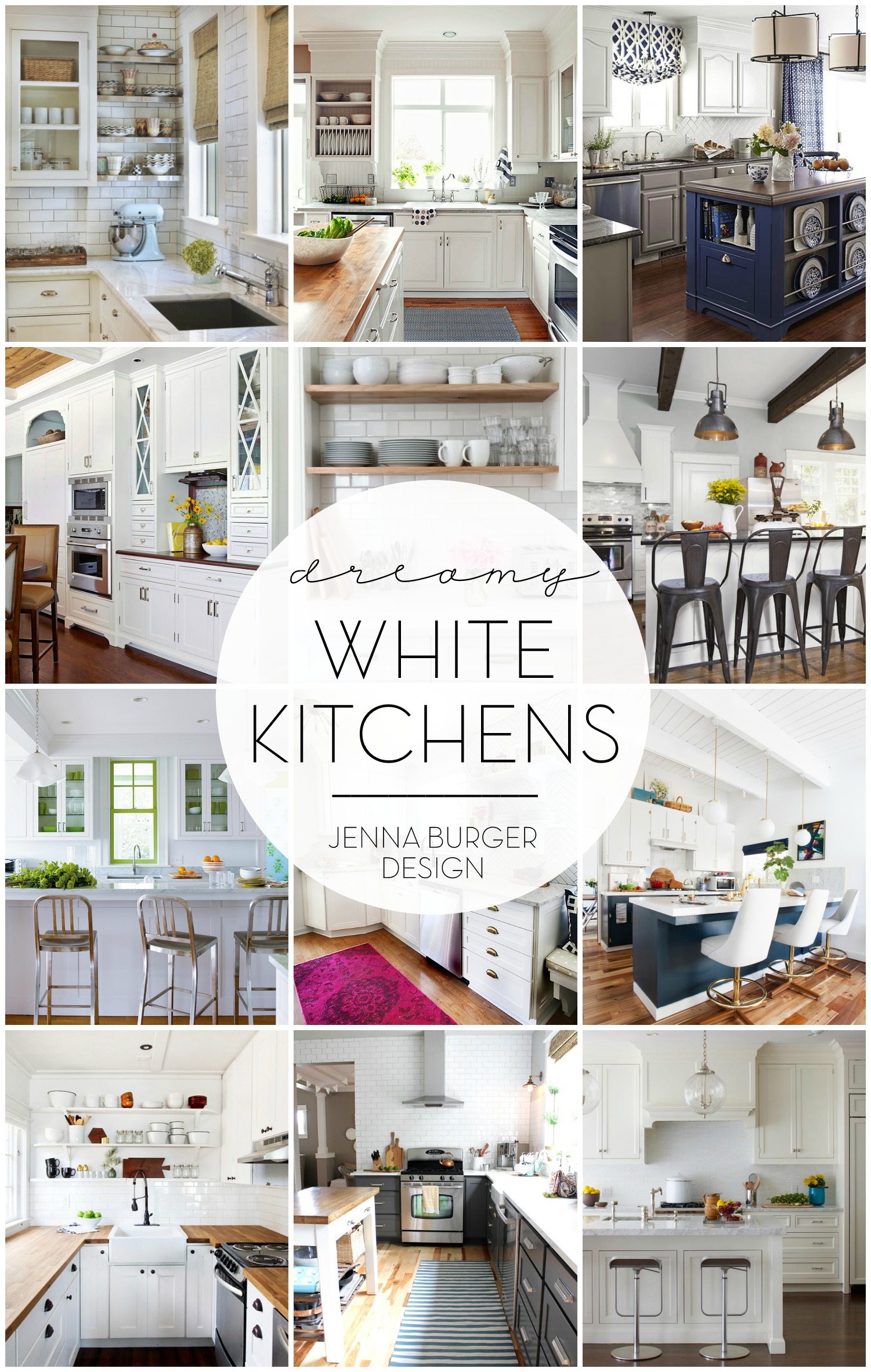
Credit: jennaburger.com
Selecting Furniture That Complements White
Furniture—like chairs, stools, and tables—plays a big role in the look of your kitchen. In a white kitchen, furniture can introduce colour, shape, and comfort.
Key Considerations
- Material: Wood, metal, plastic, or upholstered furniture all work with white.
- Colour: Choose colours from your palette or go bold with one standout piece.
- Shape: Rounded shapes feel softer; straight lines are more modern.
Furniture Material Comparison
| Material | Look | Maintenance | Best for |
|---|---|---|---|
| Wood | Warm, natural | Easy, needs oil | Cosy, rustic styles |
| Metal | Industrial, sleek | Wipe clean | Modern, urban styles |
| Plastic | Playful, colourful | Very easy | Family, casual |
| Upholstered | Soft, comfortable | Spot clean | Dining, seating |
Practical Tip
If your kitchen is small, clear chairs or stools (transparent plastic) keep the space feeling open.
Incorporating Plants And Greenery
Plants bring life, colour, and freshness to any kitchen. In a white kitchen, greenery stands out and softens the space.
Best Plants For Kitchens
- Herbs: Basil, mint, parsley—easy to grow and useful for cooking.
- Succulents: Low maintenance, good for windowsills.
- Spider plant: Hardy, cleans the air.
- Pothos: Grows well in shade, looks great in hanging pots.
How To Use Plants
- Place herbs in small pots on the counter or windowsill.
- Use hanging planters to save space.
- Group three plants together for a mini indoor garden.
Non-obvious Insight: Plant Pots Matter
Choose pots with colour or texture. Even a simple terracotta or patterned pot can add interest.
Wall Decorations And Art
White walls are a blank slate. Art and decorations can create a sense of style and make your kitchen unique.
Types Of Wall Decor
- Framed prints: Food-themed or abstract art.
- Mirrors: Reflect light and make the space feel bigger.
- Shelving: Display cookbooks, jars, or plants.
- Wall clocks: Combine function and style.
Practical Example
Hang a large clock with a black frame for contrast. Use floating shelves to display colourful bowls and a small plant.
Common Mistake
Don’t hang too many small items close together. One big piece or a well-spaced gallery works better.
Organising And Storage Solutions
A well-organised kitchen feels calm and looks beautiful. In a white kitchen, clutter stands out, so smart storage is key.
Smart Storage Ideas
- Open shelving: Show off stylish items, keep daily tools handy.
- Pull-out drawers: Use every inch of space.
- Hooks and rails: Hang pans, utensils, or towels.
- Storage baskets: Hide mess, add texture.
Real Example
A white kitchen with open shelves can look tidy if you use matching jars for dry goods and baskets for snacks.
Non-obvious Insight: Use Vertical Space
Don’t forget the walls and high spaces. Tall shelves or hanging racks make use of space without crowding counters.
:max_bytes(150000):strip_icc()/SPR-white-kitchen-ideas-6822709-hero-19153225e7da40f29b5ada7f8010b787.jpg)
Credit: www.thespruce.com
Personalising Your White Kitchen
Every kitchen should reflect its owner. Small personal touches make the space feel like yours.
Ways To Personalise
- Family photos: In frames, on a shelf.
- Favourite cookbooks: Displayed, not hidden.
- Unique souvenirs: Items from travels or gifts.
- Custom textiles: Embroidered towels, handmade rugs.
Practical Tip
Change one thing every season—a new print, a different rug, or a fresh set of cups. This keeps your kitchen feeling new.
Common Decorating Mistakes In White Kitchens
Knowing what to avoid is as important as knowing what to do. Here are mistakes many people make:
- Using only white and silver—makes the kitchen cold.
- Overcrowding counters—loses the clean look.
- Ignoring lighting—leaves the space flat.
- Forgetting texture—makes the room feel empty.
- Choosing too many colours—creates chaos.
How To Fix These Mistakes
- Always balance white with warm materials or colours.
- Keep surfaces tidy and organised.
- Use layered lighting for depth.
- Add texture through textiles and accessories.
- Stick to a limited colour palette.
Real-life Examples Of White Kitchen Transformations
Seeing real examples helps you imagine what’s possible.
Example 1: Modern Minimalist
A small flat with a fully white kitchen—white cabinets, walls, and counters. The owners added black handles, a grey rug, and two large green plants. The result was a modern space with energy and contrast.
Example 2: Cosy Family Kitchen
A family wanted a warmer feel. They used wooden stools, beige textiles, and soft lighting. Art on the wall and a row of herb pots made the kitchen welcoming.
Example 3: Bold And Artistic
A creative couple used bright red accessories, a colourful splashback, and hanging pots. The white background made every colour pop, and the kitchen felt lively.
Budget-friendly Decorating Tips
You don’t need to spend much to make your kitchen beautiful.
- Paint handles or taps for a quick update.
- Buy second-hand furniture and add your own cushions or covers.
- Use inexpensive prints or posters for wall art.
- Grow herbs from seeds—cheap and practical.
- Swap accessories for different seasons.
Data On White Kitchen Trends
White kitchens remain popular year after year. According to the National Kitchen and Bath Association, 43% of new kitchens in the UK use white as the main colour. Homeowners choose white for its timeless look and easy styling.
A survey by Houzz found that kitchens with white cabinets sell 10% faster than those with darker colours. This shows that a well-decorated white kitchen can also increase your home’s value.
Advanced Tips For Experienced Decorators
If you have experience or want a more unique look, try these ideas:
- Mix two types of white—cool and warm—for subtle depth.
- Use coloured LED strips under counters for a modern touch.
- Add vintage accessories for character.
- Create a feature wall with wallpaper or textured paint.
- Install open shelving with metal brackets for an industrial vibe.
Frequently Asked Questions
How Do I Keep A White Kitchen Clean?
White surfaces show dirt and stains easily, but that makes cleaning simpler. Wipe spills quickly with a damp cloth. Use gentle cleaners to avoid yellowing or scratching. For cupboards, a mix of vinegar and water works well. Avoid harsh chemicals on painted surfaces.
What Colours Go Best With A White Kitchen?
Almost any colour works with white. Popular choices are grey, blue, black, and wood tones for a calm look. For energy, use red, yellow, or green. Choose colours that match your mood and style.
How Can I Make My White Kitchen Feel Warmer?
Add warm materials like wood, woven baskets, or copper accessories. Use soft lighting (warm white bulbs), and choose accent colours like beige, terracotta, or blush pink. Textiles like rugs, cushions, and curtains also help.
What Is The Best Way To Decorate A Small White Kitchen?
Use clear or light-coloured furniture to keep the space open. Add vertical storage—shelves, hanging racks—to use every inch. Stick to a simple colour palette and avoid crowding counters. Mirrors can make the kitchen feel bigger.
Is A White Kitchen Out Of Style?
No, white kitchens are still very popular. They are classic and suit every taste. According to a survey by Houzz, white kitchens sell faster and are often seen as easier to redecorate. You can always update the look with new accessories or colours.
Decorating a white kitchen is about balance—using colour, texture, lighting, and personal touches to turn a simple space into something special. Whether you want a modern, cosy, or bold kitchen, you have endless options. Start small, experiment, and let your style show. For more inspiration on kitchen design, visit Houzz UK. Your white kitchen is ready to become the heart of your home.