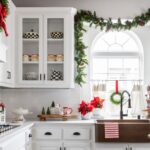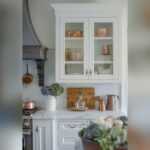

Every kitchen tells a story. It’s where meals are made, conversations happen, and sometimes, memories are created. But when kitchen counters are covered in clutter, it can feel chaotic instead of comforting. Many people wish to decorate their kitchen counters so they look beautiful, but worry about making the space messy or less functional. The truth is: you can style your counters to look inviting—without losing practicality. This guide shows you how to decorate kitchen counters without clutter, using smart ideas, real examples, and proven strategies that work for any kitchen size.
Why Clutter-free Countertops Matter
A clutter-free kitchen is more than just visually pleasing. Studies show that messy spaces can increase stress and make cooking less enjoyable. According to the National Kitchen and Bath Association, 80% of homeowners prefer counters with minimal visible items. Clean counters also make cleaning easier, reduce risk of accidents, and help your kitchen look bigger.
When you decorate thoughtfully, you gain more than style. You get efficiency, comfort, and even improved hygiene. It’s about choosing what belongs—and what doesn’t.
Understanding Your Kitchen Counter Space
Before adding décor, it’s important to know your counter’s layout and size. Kitchens vary, but most have these typical zones:
- Prep zone: Near the sink or stove, used for chopping and mixing.
- Appliance zone: For items like toaster, blender, or coffee maker.
- Display zone: Often near the wall or corners, ideal for decoration.
Measure your counters. Write down the length and depth. Notice where you need space to work, and which areas could hold décor. Many beginners miss this step, leading to overcrowding or wasted space.
Common Kitchen Counter Materials
Different surfaces need different care and decoration approaches. Here’s a quick comparison:
| Counter Material | Best Decor Types | Care Tips |
|---|---|---|
| Granite | Ceramic, wood, glass | Use coasters, avoid acidic items |
| Laminate | Lightweight, plastic, fabric | Avoid heavy objects, clean gently |
| Quartz | Metal, ceramic, minimal plants | Non-porous; easy to wipe |
| Wood | Glass, fabric, metal | Keep dry, use protective mats |
Always consider durability, cleaning needs, and what looks best on your specific counter.
Choosing Functional Decor
Decor doesn’t have to be just pretty. The best pieces serve a purpose and add style. Here’s how to select items that work hard for you:
- Fruit bowls: A classic. Choose stylish bowls that highlight fresh fruit, making healthy snacks easy to grab.
- Utensil holders: Instead of stuffing drawers, use decorative jars for spatulas and spoons.
- Cutting boards: A beautiful wooden cutting board can double as a serving tray.
- Small appliances: Pick appliances with modern design—like a sleek coffee maker—that look good even when left out.
- Soap dispensers: Upgrade from plastic to ceramic or glass for a decorative touch.
Functional Vs. Decorative Items
It’s easy to confuse functional and decorative items. Here’s a quick comparison:
| Functional Decor | Purely Decorative |
|---|---|
| Fruit bowl | Vase with fake flowers |
| Coffee maker | Sculpture |
| Utensil crock | Picture frame |
| Chopping board | Candle (not used) |
Aim for a balance—about 70% functional, 30% decorative. This keeps counters useful and beautiful.
Smart Storage Solutions
Storage is the key to avoiding clutter. The less you leave on the counter, the more you can decorate with intention. Here are proven storage ideas:
Use Vertical Space
- Wall-mounted shelves: Add a slim shelf above the counter for spices or small plants.
- Magnetic knife strip: Saves drawer space and looks sleek.
- Hanging racks: For mugs or utensils, freeing up counter space.
Hidden Storage
- Pull-out drawers: Store small appliances when not in use.
- Appliance garages: Small cabinets on the counter that hide appliances.
Grouping Items
Grouping similar items together makes counters feel organized. Use trays or baskets to gather:
- Cooking oils and spices
- Coffee supplies (pods, sugar, mugs)
- Cleaning items (soap, scrubbers)
Grouping prevents items from spreading everywhere and gives a neat appearance.
Minimalism: Less Is More
Minimalism doesn’t mean empty. It means every item has purpose and place. Here’s how to apply minimalist decorating:
- Choose a color palette: Stick to 2-3 colors for decor items. This creates harmony.
- Limit quantity: Keep only one or two decorative pieces per zone.
- Clear daily: Take a minute each day to remove items that don’t belong.
Many people forget to edit their counters regularly. Making this a habit helps maintain a clutter-free look.
Minimalist Decor Examples
- A single, tall vase with fresh flowers
- Two matching jars for tea and coffee
- One stylish cutting board
- A candle with a subtle scent
Avoid mixing too many styles or colors—simplicity brings calm.
Adding Personality Without Clutter
Your kitchen should reflect your taste. Even with minimal decor, you can show personality. Here’s how:
Art And Prints
Hang a small framed print above the counter. Choose food-themed art or a quote you love. Avoid placing multiple frames on the counter itself.
Plants
A small herb planter or succulent adds life and color. Pick low-maintenance plants that won’t shed leaves or require frequent watering.
Unique Containers
Swap standard containers for stylish ones. For example, use a vintage jar for utensils or a ceramic bowl for keys.
Seasonal Touches
Change decor with the seasons. In spring, display tulips. In fall, use a bowl of apples. This keeps the kitchen fresh without extra clutter.
Practical Tips For Everyday Use
Decorating is not just about looks—it must work for your daily routine. Here are practical tips:
- Keep work zones clear: Leave open space near the stove and sink for meal prep.
- Choose easy-to-clean decor: Avoid items that collect dust or require special cleaning.
- Rotate decor: Change items every few months to avoid boredom and extra clutter.
- Combine functions: For example, use a pretty tray to hold both soap and sponge.
Common Mistakes To Avoid
- Over-decorating: Too many items make counters messy.
- Ignoring cleaning: Some decor (like fabric) gets dirty quickly.
- Blocking outlets: Don’t place decor in front of electrical sockets.
- Using oversized items: Large pieces can overwhelm small counters.
Beginners often miss the importance of cleaning behind decor. Always move items and wipe underneath.
Organizing Small Kitchens
Small kitchens can feel crowded, but smart decorating makes them look bigger. Here’s how to maximize space:
Prioritize Essentials
Keep only the most-used items on the counter. Store extras in cabinets or drawers.
Use Light Colors
Light decor and counter materials reflect more light, making the kitchen seem larger.
Multi-purpose Decor
Choose items that serve more than one role. For example, a cutting board that’s also a serving platter, or a bowl that holds fruit and mail.
Vertical And Corner Solutions
Install corner shelves or use vertical racks. This frees up counter space and adds visual interest.
Small Kitchen Example
Consider a galley kitchen with only 5 feet of counter space. You could:
- Place a small tray with oil and salt near the stove.
- Hang utensils on a wall hook.
- Keep a single fruit bowl near the sink.
- Add a small potted herb in the corner.
This approach keeps the space tidy and functional.
Decorating Large Kitchen Counters
If you have a spacious kitchen, you might be tempted to fill the counters. But restraint is key. Here’s how to decorate large counters without clutter:
Create Zones
Divide the counter into sections:
- Cooking zone: Keep utensils and oils.
- Coffee/tea zone: Place mugs, sugar, and machine.
- Display zone: Use for flowers or decorative bowls.
Use Larger Decor Pieces
A big kitchen can handle larger items, such as:
- A tall vase with fresh flowers
- A wide fruit basket
- A decorative cutting board set
But keep each zone organized, not crowded.
Leave Empty Space
Don’t feel you have to cover every inch. Leaving empty space adds elegance and helps counters feel open.
Making The Most Of Counter Corners
Corners are often wasted or filled with random clutter. Instead, turn them into intentional decor spots.
Corner Decor Ideas
- Small plant or herb pot
- Tiered tray for snacks or fruit
- A stack of colorful cookbooks
- Compact coffee station
Avoiding Corner Mistakes
Don’t use corners for items you need every day. Place decor that’s easy to reach but not in the way.
Selecting The Right Decorative Items
Choosing the right decor is crucial. Here are factors to consider:
- Size: Small kitchens need small items; large kitchens can handle bigger pieces.
- Material: Pick items that match your counter’s material.
- Theme: Choose a style—modern, rustic, or traditional—and stick to it.
- Durability: Select decor that can handle kitchen conditions (heat, moisture, spills).
Data On Popular Kitchen Decor
According to a 2026 survey by Houzz, the most popular kitchen counter decor items were:
- Fruit bowls: 65%
- Utensil holders: 55%
- Plants: 45%
- Cutting boards: 40%
These items are both practical and stylish, showing a trend toward functional decor.
How Lighting Affects Counter Decor
Lighting changes how your counters look and feel. Proper lighting can highlight decor and make the kitchen feel larger.
Types Of Kitchen Counter Lighting
- Under-cabinet lights: Shine directly onto the counter, perfect for illuminating decor.
- Pendant lights: Hang above counters, add style and focus.
- Natural light: Windows bring out colors and textures.
Lighting And Clutter
Bright lighting can make clutter more obvious. Use lighting to highlight your best decor and keep messy areas less visible.

Credit: maisondecinq.com
Using Trays And Containers
Trays and containers are secret weapons for organized counters. They group items, making the space look tidy.
How To Use Trays
- Place a tray near the stove with oils, salt, and pepper.
- Use a tray for coffee supplies—mugs, sugar, pods.
- Group cleaning items on a small tray near the sink.
Container Ideas
- Glass jars for utensils or snacks
- Ceramic pots for small plants
- Wire baskets for fruit
Grouping items makes counters feel less crowded and more organized.
Mixing And Matching Decor Styles
It’s possible to mix styles—like modern and rustic—without clutter. Here’s how:
- Keep colors similar. For example, use white, gray, and wood tones.
- Use only one or two mixed-style items per counter zone.
- Balance textures: Pair smooth glass with rough wood.
Example: Modern Rustic Counter
- Sleek metal utensil holder
- Wooden cutting board
- White ceramic fruit bowl
Mixing styles adds personality, but too much variety can make counters messy.
Adding Color Without Overwhelm
Color makes kitchens cheerful, but too much can feel busy. Here’s how to add color without clutter:
- Use colorful fruit (lemons, apples) in a neutral bowl.
- Add a small plant with green leaves.
- Choose one accent color for containers or towels.
Avoid placing too many colored items together. Keep the palette simple.
Maintaining Clutter-free Decor
Decorating is not a one-time job. You need to maintain your counters. Here’s a simple routine:
- Daily: Remove dishes, mail, and extra items.
- Weekly: Wipe down counters and move decor to clean underneath.
- Monthly: Rotate decorative items, check for unused pieces.
Consistency is the secret. Many people forget regular maintenance, letting clutter build up again.

Credit: www.blesserhouse.com
Real-life Kitchen Counter Examples
Example 1: Modern Small Apartment
- Minimal decor: One ceramic fruit bowl, a cutting board, and a small succulent
- Utensils hung on a wall rack
- Coffee machine placed in a corner
This setup keeps the kitchen functional and stylish.
Example 2: Family Home Kitchen
- Grouped items: Tray with oils, salt, pepper near the stove
- Two jars for utensils and spatulas
- Bowl of fruit in the center
- Clean space for meal prep
Family kitchens need easy access and simple cleaning.
Example 3: Luxury Kitchen
- Large counter with zones: Coffee station, cooking station, display area
- Elegant vases and glass jars
- Under-cabinet lighting highlights decor
Luxury kitchens can handle more decor, but still need clear zones.
Comparing Popular Decor Strategies
Let’s look at how different strategies work for various kitchen types:
| Decor Strategy | Best For | Advantages | Disadvantages |
|---|---|---|---|
| Minimalism | Small kitchens, modern homes | Easy to clean, looks tidy | Can feel too empty |
| Zone grouping | Large kitchens, families | Organized, easy access | Needs careful planning |
| Multi-purpose decor | Any kitchen | Functional and stylish | Finding the right items can be hard |
| Seasonal rotation | All kitchens | Keeps decor fresh | Extra work to change items |
Choose the strategy that fits your kitchen and lifestyle.

Credit: stonegableblog.com
Sustainable And Eco-friendly Counter Decor
Eco-friendly decor is popular and practical. Here’s how to decorate sustainably:
- Choose reusable containers (glass, ceramic)
- Use real plants instead of plastic
- Buy locally-made decor items
- Repurpose old jars or trays
Eco-friendly decor is better for the environment and often looks more natural.
Trends In Kitchen Counter Decor
Trends change, but some ideas are lasting. In 2026, the most popular trends include:
- Simple, natural materials: Wood, stone, glass
- Neutral colors: White, gray, beige
- Functional decor: Items that serve a purpose
- Smart storage: Built-in trays and hidden drawers
According to Houzz Magazine, functional minimalism is the top trend this year.
Decorating Counters For Different Lifestyles
Your lifestyle affects how you decorate. Here are tailored tips:
Busy Families
- Keep essential items within reach
- Use trays and baskets for quick cleanup
- Choose decor that’s easy to clean
Singles Or Couples
- Focus on style—use unique containers or art
- Keep counters mostly clear for flexibility
Entertainers
- Set up a coffee or drink station
- Use larger serving trays for gatherings
- Add flowers or candles for special occasions
Adjust your decor to match your daily routine.
Mistakes Beginners Often Make
Many people make common mistakes when decorating kitchen counters:
- Ignoring work zones: Placing decor where you need space
- Using too many colors: Creates visual clutter
- Not cleaning under decor: Leads to dirt build-up
- Forgetting to measure: Oversized decor can overwhelm
Avoid these mistakes by planning, measuring, and editing regularly.
How To Declutter Before Decorating
Before adding decor, declutter your counters. Here’s a step-by-step guide:
- Remove everything: Clear the counter completely.
- Sort items: Group by function (cooking, cleaning, display).
- Decide what stays: Keep only items used daily.
- Find storage: Place extra items in drawers or cabinets.
- Clean: Wipe down the counter thoroughly.
Decluttering gives you a fresh start and makes decorating easier.
Creating A Personalized Counter Decor Plan
Every kitchen is different. Here’s how to make a plan that works for you:
- List your daily kitchen tasks
- Measure your counter space
- Choose a color palette and theme
- Select functional decor items first
- Add decorative pieces carefully
- Set zones for each function
Write down your plan and refer to it as you decorate.
Time-saving Decor Strategies
Decorating doesn’t have to take hours. Here’s how to save time:
- Use ready-made trays or baskets
- Limit decor to one or two items per zone
- Pick easy-to-clean materials
- Rotate decor only once a season
Time-saving strategies help you enjoy your kitchen more.
Frequently Asked Questions
How Do I Keep My Kitchen Counters Clutter-free Every Day?
The best way is to make a daily habit of clearing the counters. Remove dishes and mail after each meal. Use trays or baskets to group items, making it easier to tidy up quickly.
What Are The Best Decorative Items For Small Kitchens?
Choose small, functional items like a compact fruit bowl, a single potted herb, or a small utensil holder. Avoid large pieces and stick to light colors to make the kitchen feel bigger.
Can I Decorate My Kitchen Counters With Plants?
Yes, but pick plants that are easy to care for, such as succulents or herbs. Place them in small pots and avoid blocking work zones. Too many plants can create clutter.
How Often Should I Change Or Rotate My Kitchen Counter Decor?
It’s good to change decor every season, or once a month if you like variety. This keeps your kitchen fresh and prevents clutter from building up.
What Is The Most Common Mistake When Decorating Kitchen Counters?
The most common mistake is over-decorating. Too many items make counters messy and reduce space for cooking. Always measure your space and limit decor to functional and beautiful pieces.
Decorating your kitchen counters is about balance—showing your personality, keeping things practical, and avoiding clutter. With these tips and strategies, your kitchen can be a space that feels welcoming, organized, and uniquely yours.