
Decorating a farmhouse kitchen is more than picking pretty colours or putting up some rustic shelves. It’s about creating a space that feels warm, welcoming, and practical for everyday life. Whether you live in the countryside or in the city, a farmhouse kitchen brings comfort and charm.
This guide will help you build that look from the ground up, showing you how to combine old-fashioned style with modern needs. Along the way, you’ll find tips, examples, and some surprising details that even experienced decorators sometimes overlook.
Understanding Farmhouse Kitchen Style
The farmhouse kitchen is famous for its relaxed feel and simple beauty. But what does “farmhouse” really mean? It’s not just about old wood or antique furniture. Farmhouse style is about blending traditional materials, practical layouts, and friendly touches.
Key features include:
- Natural materials: Wood, stone, and metal are common.
- Neutral colours: Whites, creams, greys, and light browns dominate.
- Open shelving: Plates and bowls are often visible, not hidden away.
- Functional furniture: Tables and cabinets are sturdy and useful.
- Vintage details: Old signs, baskets, or classic hardware add charm.
Modern farmhouse kitchens often add new touches like stainless steel appliances or bold lighting, but the core is always warmth and simplicity.
The History Behind Farmhouse Kitchens
Farmhouse kitchens started as practical spaces for families living on farms. People cooked, ate, worked, and gathered in these rooms. This is why classic farmhouse kitchens have large tables, big sinks, and plenty of storage. Today, many people want that same sense of comfort, even if they don’t own a farm.
Choosing The Right Colours
Colour sets the mood in any kitchen. In a farmhouse kitchen, it’s best to use soft, neutral shades that reflect light and feel calming. Here’s how to pick the right palette:
Popular Farmhouse Colours
- White: Clean and classic, makes spaces look bigger.
- Cream: Warmer than white, pairs well with wood.
- Grey: Offers a modern touch without feeling cold.
- Soft blue or green: Adds gentle colour without overpowering.
- Earth tones: Light brown, beige, or muted yellow can bring warmth.
Creating A Cohesive Look
To make your colours work together, choose a main colour for walls and cabinets, then add accent colours with accessories or furniture. For example, white cabinets with a grey island and wooden shelves.
Don’t Miss: Best Colour Accessories for a White Gloss Kitchen
Example Farmhouse Colour Combinations
| Main Colour | Accent Colour | Material Example |
|---|---|---|
| White | Soft Blue | Painted cabinets, ceramic dishes |
| Cream | Dark Wood | Wall paint, open shelving |
| Light Grey | Brushed Nickel | Cabinets, light fixtures |
Practical Colour Tips
- Test paint samples in your kitchen before deciding.
- Don’t overuse bold colours; keep them for details.
- Natural light changes how colours look—check at different times of day.
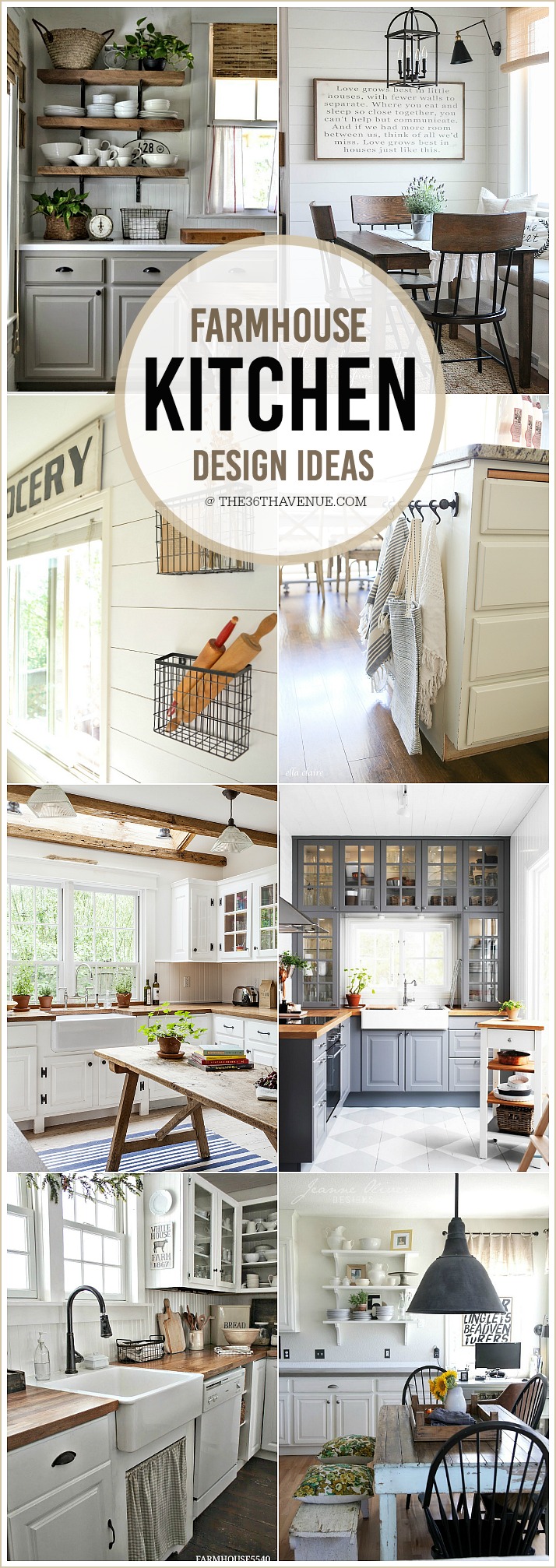
Credit: www.the36thavenue.com
Selecting Materials And Surfaces
Materials are the backbone of farmhouse style. They give a kitchen its texture and character. Here’s how to choose wisely:
Wood: The Farmhouse Favourite
Wood is the most popular material in farmhouse kitchens. It can be used for cabinets, floors, shelves, and even ceilings. Choose reclaimed wood for extra character—it shows age and history.
- Oak, pine, and maple are common choices.
- Painted wood (white or cream) looks traditional.
- Natural wood brings warmth.
Stone And Tile
Stone adds strength and natural beauty. Use stone for countertops or backsplashes. Subway tile is another farmhouse classic—white tiles with simple grout give a clean look.
Metal Touches
Add metal in small doses. Brushed nickel or matte black handles, taps, and light fixtures fit perfectly. Avoid shiny chrome—too modern.
Trending Now: Best Wooden Kitchen Accessories
Comparison Of Farmhouse Kitchen Materials
| Material | Farmhouse Feel | Common Uses | Maintenance |
|---|---|---|---|
| Wood | Warm, rustic | Cabinets, floors, shelves | Regular cleaning, oiling |
| Stone | Natural, strong | Countertops, backsplashes | Sealing, wiping |
| Tile | Clean, traditional | Walls, splashbacks | Easy to clean |
| Metal | Industrial accent | Handles, taps, lighting | Wipe clean |
Hidden Insights
Many beginners forget that mixing materials is key. Don’t stick to only wood or stone. Combining two or three (like wood cabinets, stone worktops, and metal fixtures) makes your kitchen feel more authentic and layered.
Farmhouse Kitchen Layouts
The layout decides how your kitchen works day to day. Farmhouse kitchens are usually open and spacious, with room for cooking, eating, and gathering.
Common Layouts
- U-shaped: Plenty of counter space, great for larger rooms.
- L-shaped: Fits smaller kitchens, keeps things open.
- Galley: Two parallel counters, efficient for tight spaces.
- Island layout: Adds a central work area or seating.
The Farmhouse Table
A large table is often the heart of a farmhouse kitchen. It’s not only for eating—people gather, work, and chat here. If space allows, add a wooden table with simple chairs or a bench.
Practical Layout Tips
- Keep walkways clear (at least 90 cm wide).
- Place the sink, stove, and fridge in a triangle for easy movement.
- Islands should be at least 1 metre from other counters.
Example Layout Comparison
| Layout | Best For | Farmhouse Feature | Space Needed |
|---|---|---|---|
| U-shaped | Large kitchens | Big table, open shelves | 15+ m² |
| L-shaped | Medium kitchens | Window sink, corner pantry | 10–15 m² |
| Island | Flexible | Central seating | 12+ m² |
| Galley | Small kitchens | Efficient storage | 7–10 m² |
Non-obvious Layout Insight
Many people skip planning for a pantry or larder. But adding even a small pantry cupboard gives you extra storage and keeps counters clear—this is a classic farmhouse feature often missed.
Cabinets, Shelves, And Storage
Storage in a farmhouse kitchen is about being both practical and stylish. Here’s how to get it right:
Cabinets
Choose cabinets with simple lines. Shaker style is common: flat panels, plain handles. Paint them white, cream, or soft grey. Open shelves above the cabinets can display plates and mugs.
Open Shelving
Farmhouse kitchens often use open shelves. This makes the room feel bigger and lets you show off pretty dishes. Use reclaimed wood or simple metal brackets.
- Keep shelves tidy—too much clutter looks messy.
- Mix baskets, jars, and plates for variety.
Cupboards And Larders
A larder cupboard is a tall storage area for dry goods. It’s a classic farmhouse detail and keeps food organised. If you don’t have space, use a small freestanding cupboard.
Storage Tips
- Use baskets for potatoes, onions, or bread.
- Hang pots and pans on a rail—saves cabinet space.
- Add drawer inserts for cutlery and tools.
Hidden Storage Insight
Don’t forget vertical space. Adding hooks or rails under shelves or cabinets gives you extra storage for mugs, utensils, or towels. This is a small trick that often makes a big difference.
Farmhouse Kitchen Sinks And Taps
The sink is a central piece in the farmhouse kitchen. It’s both practical and a major style point.
Farmhouse Sinks
Butler sinks (also called apron or Belfast sinks) are deep, wide, and made from white ceramic. They’re perfect for washing big pots and add a classic look.
- Usually sits slightly forward from the counter.
- Looks best with wood or stone worktops.
Taps (faucets)
Choose taps with simple lines and traditional shapes. Bridge taps or gooseneck taps fit well. Brushed metal or matte black finishes are popular.
Practical Sink Tips
- Add a drying rack or board that fits over the sink.
- Make sure your sink is big enough for your largest pot.
- Place the sink under a window if possible—it’s a classic farmhouse look.
Non-obvious Sink Insight
Many people forget that farmhouse sinks need strong support because they’re heavy. Make sure your cabinets are built to hold the sink, or you could face expensive repairs later.
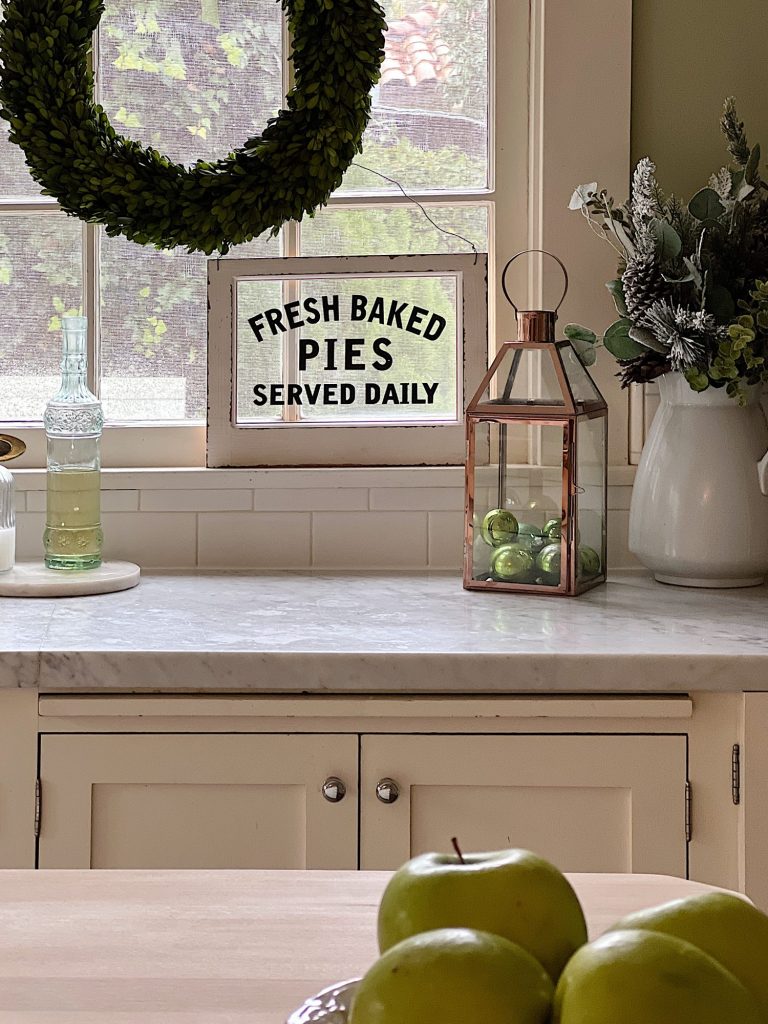
Credit: my100yearoldhome.com
Farmhouse Kitchen Appliances
Choosing the right appliances can be tricky. You want modern performance, but a look that matches the farmhouse style.
Appliance Choices
- Range cookers (like Aga or Smeg) have a classic look and are great for big families.
- Stainless steel appliances are popular, but pick models with simple shapes.
- Retro-style fridges or ovens can add charm.
Hiding Appliances
To keep the kitchen feeling traditional, some people cover appliances with cabinet doors. For example, you can hide a dishwasher behind a panel that matches your cabinets.
Practical Appliance Tips
- Place the fridge near the pantry for easy access.
- Use a cooker hood with a wooden or metal cover, not shiny plastic.
- Choose quiet appliances—a noisy dishwasher ruins the peaceful mood.
Hidden Appliance Insight
Don’t forget about small appliances. Toasters, kettles, and mixers should match the kitchen’s colour scheme. Many beginners buy these last and end up with mismatched colours.
Lighting For Farmhouse Kitchens
Lighting is often overlooked, but it’s a key part of the farmhouse look.
Main Lighting Types
- Pendant lights: Hang above the table or island. Choose metal or glass shades.
- Wall sconces: Add soft light to corners or above shelves.
- Under-cabinet lights: Make counters easier to use.
Light Bulb Choices
Use warm white bulbs (2700–3000K). Avoid harsh blue-white light—it feels cold and modern.
Lighting Placement Tips
- Hang pendants about 70–90 cm above the table.
- Space pendants about 60 cm apart for even light.
- Use dimmers for flexibility.
Example Lighting Comparison
| Type | Farmhouse Feel | Best Placement |
|---|---|---|
| Pendant | Classic, decorative | Table, island |
| Sconce | Soft, cosy | Walls, shelves |
| Under-cabinet | Practical, hidden | Worktops |
Non-obvious Lighting Insight
Don’t forget natural light. If you have a window, keep curtains light and simple. Heavy drapes block sunlight and make kitchens feel smaller.
Floors And Rugs
Flooring sets the foundation for your farmhouse kitchen. It needs to be tough, easy to clean, and fit the style.
Farmhouse Flooring Options
- Wood: Wide planks, aged or distressed finish.
- Stone: Slate, limestone, or terracotta tiles.
- Tile: Simple shapes, neutral colours.
Rugs And Mats
Add a woven rug or a runner for warmth and comfort. Choose natural fibres like jute or cotton.
Practical Flooring Tips
- Avoid carpets—too hard to clean in kitchens.
- Use non-slip mats near the sink and cooker.
- Seal stone floors to prevent stains.
Hidden Flooring Insight
Many people forget to check if their floor can handle heavy appliances or cabinets. Always check the floor’s strength before installing a big table or range cooker.
Farmhouse Kitchen Accessories
Accessories give your kitchen personality. They’re the small touches that make a space feel lived-in and loved.
Classic Accessories
- Ceramic bowls and plates: Display on shelves.
- Glass jars: Store grains, pasta, or biscuits.
- Old signs or prints: Farm-related art adds charm.
- Wicker baskets: Hold fruit, bread, or utensils.
- Copper pots: Hang on a rail for a traditional look.
Practical Accessories
- Chalkboards for notes or menus.
- Hooks for aprons and towels.
- Wooden trays for serving.
Non-obvious Accessory Insight
Many beginners only buy accessories once the kitchen is finished. It’s smarter to plan them from the start. For example, if you want a big wall clock or a row of hanging mugs, make sure you leave wall space or add hooks early.
Adding Greenery And Natural Touches
Plants and flowers bring life to a farmhouse kitchen. They soften hard surfaces and add colour.
Types Of Greenery
- Herbs: Basil, mint, or rosemary in pots on the windowsill.
- Fresh flowers: Simple arrangements in glass jars.
- Small trees: Olive or lemon trees in large pots.
Practical Greenery Tips
- Choose plants that like indirect light if your kitchen is shady.
- Use clay pots—they fit the farmhouse theme.
- Water regularly, but don’t overdo it.
Hidden Greenery Insight
Don’t just use plants on counters. Hang small pots from shelves, or use a trailing plant above a cabinet. This adds depth and draws the eye upward.
Mixing Old And New
Farmhouse kitchens work best when you blend antique and modern elements. Too much old can look dated; too much new can feel cold.
Antique Finds
- Vintage stools or chairs.
- Old enamelware or tin signs.
- Reclaimed wood shelves.
Modern Updates
- Sleek appliances hidden behind panels.
- LED lighting for efficiency.
- Touchless taps for convenience.
Practical Mixing Tips
- Use old pieces for furniture or accessories, not main appliances.
- Make sure everything is safe—don’t use old electrical items.
- Mix styles, but keep colours consistent.
Non-obvious Mixing Insight
Many people forget that “old” doesn’t have to mean expensive antiques. You can find vintage-style items at markets or online that fit the farmhouse look without breaking the bank.
Wall Decor And Finishing Touches
Walls are often left blank, but in a farmhouse kitchen, they’re a chance to add personality.
Farmhouse Wall Decor Ideas
- Open shelving: Show off dishes and jars.
- Peg rails: Hang mugs, towels, or utensils.
- Family photos: Black-and-white prints for nostalgia.
- Farm signs: “Fresh Eggs” or “Milk & Cream” signs add charm.
Practical Wall Decor Tips
- Don’t overcrowd walls—leave space for each piece to shine.
- Mix textures: Wood, metal, and fabric look good together.
- Use removable hooks for easy changes.
Hidden Wall Decor Insight
Many beginners forget about vertical balance. If all your decor is at eye level, the room can feel crowded. Add pieces higher up to draw the eye and make the space feel taller.
Farmhouse Kitchen Mistakes To Avoid
Even experienced decorators make mistakes. Here are some common ones—and how to avoid them.
- Too much clutter: Open shelves are pretty, but too many items look messy. Keep only what you use or love.
- Ignoring lighting: A dark kitchen isn’t cosy. Use layers of light.
- Mixing too many styles: Stick to a simple palette and materials.
- Forgetting practicality: Farmhouse kitchens are for living, not just looking good. Make sure storage, layout, and appliances fit your needs.
- Skipping a plan: Don’t just buy what’s trendy. Plan your kitchen before you start.
Real-life Farmhouse Kitchen Examples
Let’s look at how people put these ideas into practice.
Example 1: Small City Flat
Emma lives in a London flat. She wanted a farmhouse kitchen but had little space. She used white cabinets, open shelves, and a small wooden table. A butler sink under the window adds charm. Emma added baskets for storage and a chalkboard for notes.
Even in a small kitchen, the farmhouse look works.
Example 2: Large Family Home
The Smiths live in a rural house. Their kitchen is big, with a central island and a huge wooden table. They used natural stone worktops, cream cabinets, and pendant lights. A larder cupboard keeps food organised. The Smiths added vintage chairs and copper pots for extra style.
Example 3: Modern Farmhouse Renovation
Tom and Alice renovated an old farmhouse. They kept original beams and added shaker cabinets. Modern appliances are hidden behind panels. The floor is wide plank oak. Open shelves display ceramics, and herbs grow in pots by the window. The result: a kitchen that feels both traditional and fresh.
Budgeting For Your Farmhouse Kitchen
Farmhouse kitchens don’t have to be expensive. Here’s how costs break down:
- Cabinets: £1,000–£5,000 (depending on material and size)
- Worktops: £500–£3,000 (stone, wood, or laminate)
- Sink and taps: £150–£800
- Lighting: £100–£600
- Flooring: £400–£2,000
- Accessories: £100–£400
Practical Budget Tips
- Use reclaimed wood for cheaper shelves.
- Buy vintage accessories at markets.
- Paint old cabinets instead of replacing them.
Hidden Budget Insight
Don’t forget to budget for installation. Many beginners only count materials, but fitting cabinets, plumbing sinks, or laying floors can add 30–50% to the total cost.
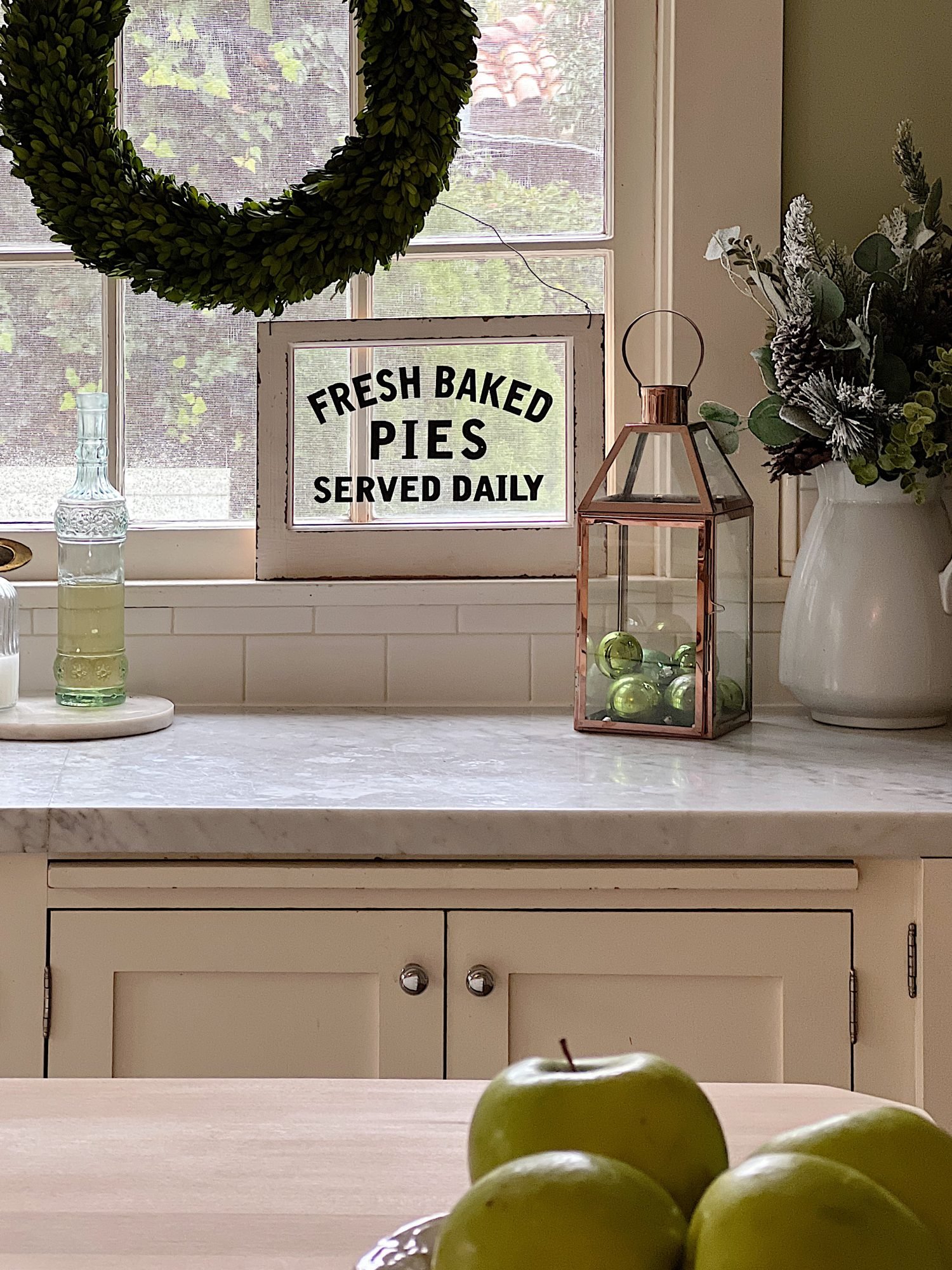
Credit: my100yearoldhome.com
Sustainable Farmhouse Kitchen Ideas
Many farmhouse kitchens are naturally eco-friendly, but you can go further:
- Use reclaimed or FSC-certified wood.
- Choose energy-efficient appliances.
- Install LED lights.
- Compost food scraps.
- Buy local pottery or accessories.
Non-obvious Sustainability Insight
Consider water-saving taps and appliances. Many people focus on electricity, but water is just as important. Look for taps with aerators or dishwashers with eco settings.
Where To Find Farmhouse Kitchen Inspiration
If you want more ideas, try:
- Pinterest: Search for “farmhouse kitchen” boards.
- Magazines: Country Living, House & Garden.
- Local markets: Visit to find vintage accessories.
- Online forums: Connect with others building farmhouse kitchens.
For detailed design history and examples, visit Wikipedia.
Frequently Asked Questions
What Is The Most Important Feature In A Farmhouse Kitchen?
The farmhouse table is often the heart of the kitchen. It brings people together for meals, work, and conversation. But the most important feature is comfort and practicality—everything should be easy to use and welcoming.
Can I Decorate A Farmhouse Kitchen In A Small Space?
Yes. Use light colours, open shelves, and compact furniture. Focus on a few key details like a butler sink or a wooden table. Keep clutter to a minimum and use vertical storage.
How Do I Mix Old And New Items Without Clashing?
Stick to a consistent colour palette and material choices. Use old items for decor or furniture, and modern items for appliances. Make sure all items are safe and in good condition.
What Flooring Works Best In A Farmhouse Kitchen?
Wood and stone are classic choices. Wide planks or natural stone tiles look great and are durable. Avoid carpets—too hard to clean. Use rugs for extra warmth.
You may like: Best Kitchen Sink With Accessories
Is Farmhouse Kitchen Style Expensive?
It doesn’t have to be. Use reclaimed materials, paint old cabinets, and buy accessories at markets or online. Plan your budget carefully and focus on key features.
Decorating a farmhouse kitchen is about creating a space that feels like home—warm, practical, and full of personality. With the right colours, materials, layout, and accessories, you can build a kitchen that’s beautiful and inviting, whether you live in the countryside or the city.
Remember, the best farmhouse kitchens are the ones that fit your life and make you happy every day.