

The best water temperature for coffee is between 90°C and 96°C, as this range extracts the most balanced flavour from roasted beans. If the water is cooler than this, the coffee often tastes sour or thin. If it’s hotter, you risk drawing out bitter, harsh notes that mask the natural sweetness of the roast. This guide explains how to manage your brewing heat to get the best result from your daily cup.
How water temperature affects coffee extraction

Water acts as a solvent that pulls oils, sugars, and acids out of ground coffee beans. When you use the correct temperature, you ensure that these compounds dissolve at the right speed. If you use water that’s too cold, the coffee lacks body and feels watery. If the water is boiling, it can over-extract the grounds, leading to an unpleasant, dry, or burnt aftertaste.
The ideal heat depends partly on the roast level of your beans. Light roasts are dense and often benefit from the higher end of the range, near 96°C, to help break down the cell structure. Dark roasts are more porous and soluble; they often taste better when brewed closer to 90°C to avoid bringing out too much bitterness.
One common mistake people make is using water straight off the boil without waiting. This can scald the coffee, especially if you’re using a manual pour-over method. If your coffee tastes consistently bitter, try letting the kettle sit for 60 seconds after it clicks off before you begin pouring. This simple pause lets the water cool into the ideal zone for most medium-roast beans.
How to reach the ideal temperature
To get the best cup, you need a way to measure the heat or a consistent method for letting your water cool.
Fill your kettle with fresh, cold, filtered water to ensure your coffee tastes clean. Minerals in hard water can bind to the compounds in your coffee, muting the brighter, acidic notes you paid for.
Bring the water to a full boil if you’re using an electric kettle without a digital display. Remove the kettle from the heat and let it sit with the lid open for 45 to 60 seconds. This brief pause drops the temperature from a violent 100°C to the ideal brewing range of 90°C to 96°C.
If you have a digital kettle, set it directly to 93°C for a reliable middle-ground temperature. This setting works across most roast profiles, from light to dark. If you’re brewing a very light, dense roast, nudge the setting up to 96°C to help extract those stubborn sugars. Conversely, drop to 90°C for dark roasts to avoid extracting the harsh, acrid bitterness often found in over-roasted beans.
Pour the water over your coffee grounds immediately after the wait time to maintain the heat. Every second the water sits in the kettle, it loses energy to the surrounding air.
Check that your brewing device is pre-heated, as a cold vessel will steal heat from the water. Pour a splash of hot water into your dripper or press, swirl it, and discard it before adding your coffee. A cold ceramic dripper can drop your slurry temperature by as much as 5°C instantly, leading to a sour, under-extracted cup.
If you’re using a standard kettle, the National Coffee Association notes that water should be just off the boil. If you don’t have a thermometer, you can judge the temperature by the steam and sound. When the rolling boil stops and the surface becomes still, you’re likely in the right range.
Avoid the common mistake of using water that has been re-boiled multiple times. Each boil depletes the oxygen content in the water, which results in a flat, dull flavour profile. Always empty the kettle after your brew and start with fresh, cold water for the next round. If your water tastes metallic or stale coming out of the tap, your coffee will inevitably carry those same characteristics.
Heat settings at a glance
Use this table to adjust your heat based on your specific beans and method. These settings assume you’re using a standard kettle and pouring into a pre-warmed device.
| Situation | What to use | How long | What to watch for |
|---|---|---|---|
| Light roast beans | 94°C – 96°C | Immediate use | Lack of body |
| Medium roast beans | 92°C – 94°C | 30s rest | Sourness |
| Dark roast beans | 90°C – 92°C | 60s rest | Excessive bitterness |
| Cold brew | Room temp | 12 – 24 hours | Weak extraction |
| Iced coffee | 92°C | Immediate use | Melting ice dilution |
If your light roast tastes like thin, acidic water, you have likely failed to extract enough soluble material. Increase your temperature by 1°C or grind your beans slightly finer to compensate for the density of the bean.
Conversely, if your dark roast leaves a harsh, charcoal-like coating on your tongue, lower the water temperature by 2°C immediately. Many home brewers make the mistake of using boiling water for every bean type. This practice scorches delicate oils in darker roasts, turning a rich cup into an astringent chore.
Distinguish your roast type by looking at the surface of the bean. If the bean is dull and dry, use the higher end of the temperature range. If you see a visible sheen of oil on the surface, stick to the lower end. Oily beans are porous and release their compounds rapidly, meaning they require cooler water to prevent over-extraction.
For iced coffee, calculate your ratio carefully. If you use 200g of ice, subtract that amount from your total water weight to maintain the correct strength. If the resulting cup tastes watery, reduce the ice by 20g next time.
Always ensure your vessel is pre-warmed with a quick rinse of hot water before you start. This prevents the ceramic or glass from stealing heat from your brew, which would otherwise drop your slurry temperature by as much as 5°C before the first pour is even finished.
Details that change your results
Experienced brewers focus on thermal stability, which is the ability of your equipment to hold the water temperature steady throughout the entire brew. If you pour water into a cold ceramic dripper, the water temperature will drop instantly, leading to an uneven extraction. Always rinse your filter and warm your mug or carafe with a little hot water before you start.
Order of operations is also vital. Always grind your beans just before you start the brew, as ground coffee loses its volatile aromatics within minutes. Once the water hits the grounds, the temperature will naturally fall, so starting at the top of your target range is usually safer than starting at the bottom.
If you’re brewing for one person, the heat loss is faster than when brewing a full pot. If you’re using a small single-cup dripper, aim for the higher end of your range to compensate for the rapid cooling. If you’re using a large French press, the mass of the water helps it stay hot, so you can start slightly lower to avoid over-extraction during the long steep.
Troubleshooting common brew issues
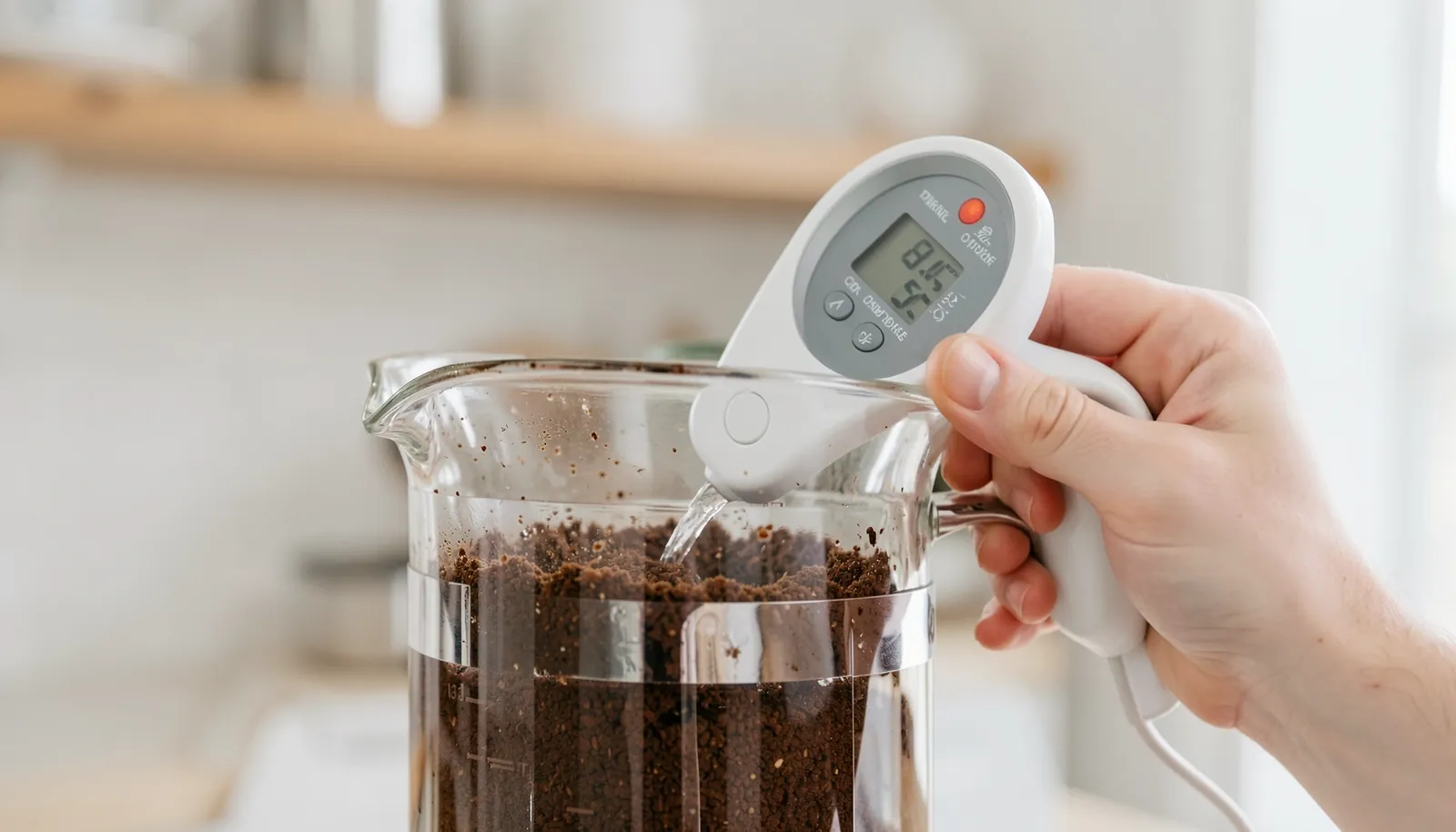
If your coffee doesn’t taste right, the temperature is often the first variable to check. Water acts as the solvent for your grounds, and if the heat is off, you fail to extract the right compounds, leaving your cup either hollow or harsh.
| What you notice | What it usually means | What to do first |
|---|---|---|
| Sour or acidic taste | Water too cold | Increase temperature |
| Bitter or dry finish | Water too hot | Wait longer to pour |
| Dull or flat flavour | Old beans or cold brew | Use fresh, hot water |
| Weak, watery body | Low heat or coarse grind | Grind finer, raise heat |
A common mistake is blaming the beans for a sour cup when the water simply lacked the thermal energy to pull sweetness from the roast. If your brew tastes like lemon juice, increase your kettle setting by 3°C before changing your grind size.
Conversely, if the finish leaves your tongue feeling parched or astringent, your water is likely scorching the grounds. If you lack a temperature-controlled kettle, wait exactly 45 seconds after the boil before pouring. This simple pause drops the water temperature into the ideal 92°C to 96°C range for most light and medium roasts.
You can easily distinguish between a grind issue and a heat issue by looking at the extraction time. If your coffee is weak but the brew time was fast, your grind is too coarse. If the brew time was slow but the flavour is still sour, your water temperature is definitely too low.
Always use filtered water to ensure the mineral content doesn’t interfere with the extraction. If you use tap water with high chlorine levels, your coffee will taste flat regardless of the heat. If your brew is still dull, check the roast date; beans older than six weeks often lose the gases required for a vibrant, aromatic cup.
Legal and safety rules
When working with near-boiling water, you must be careful to avoid thermal burns. Always keep your kettle on a stable, flat surface and never overfill it, as boiling water can splash out of the spout when it reaches the peak temperature. If you’re using an electric kettle, ensure the cord is kept away from the edge of the counter to prevent accidental spills.
A common mistake is filling the kettle past the maximum line, which can cause boiling water to splash out of the spout. This often leads to water spitting from the spout, risking severe scalds to hands or nearby surfaces. If your kettle lacks a clear water level indicator, never exceed three-quarters capacity to ensure enough headspace for steam expansion.
There are no strict legal regulations for domestic coffee temperatures, but most food safety bodies recommend keeping hot beverages below 70°C for consumption to prevent mouth scalds. This means that while you brew at 93°C, you should allow the coffee to cool in your cup for a few minutes before drinking it.
If you serve coffee to guests, use the “sip test” rule: if the liquid is too hot to hold comfortably against your lip for three seconds, it’s still above 75°C and poses a genuine injury risk. In these cases, wait another ninety seconds before serving.
Distinguish between brewing temperature and drinking temperature by checking the thermal mass of your vessel. Ceramic mugs absorb more heat than thin glass, which can keep your coffee at a dangerous temperature for longer.
Maintaining your brewing equipment
To keep your water tasting pure, you must descale your kettle regularly. Minerals from your tap water build up on the heating element, which can insulate the sensor and cause the kettle to report the wrong temperature. If you live in a hard water area, perform a descaling cycle with a vinegar or citric acid solution as often as your usage requires, following the specific guidance in your owner’s manual.
If you skip this, the calcification acts as a thermal barrier. This forces the heating element to work harder and longer, which prematurely ages the internal wiring and increases your electricity bill.
If your kettle has a digital display, test it against a standard kitchen thermometer once a year. Fill the kettle, bring it to a boil, and submerge the probe of a calibrated digital thermometer into the water immediately after the click. If the reading is off by more than 3°C, the internal sensor may be failing.
Most people make the mistake of ignoring minor temperature drifts until the unit fails completely. A drift of 5°C or more ruins delicate green teas, which turn bitter if the water exceeds 80°C. If you find your brews consistently taste burnt or flat, check the sensor calibration before assuming your technique is at fault.
Check the base contacts for signs of oxidation or discolouration. A clean, dry connection is vital for safety. If you see green or black residue on the metal pins, gently polish them with a dry, lint-free cloth. Never use water or abrasive cleaners here, as moisture trapped in the base causes short circuits.
If you notice the kettle takes significantly longer to boil than it used to, or if the auto-shutoff fails to trigger, stop using the device and contact the manufacturer for a repair. Don’t attempt to bypass the thermal fuse yourself.
When to change your approach
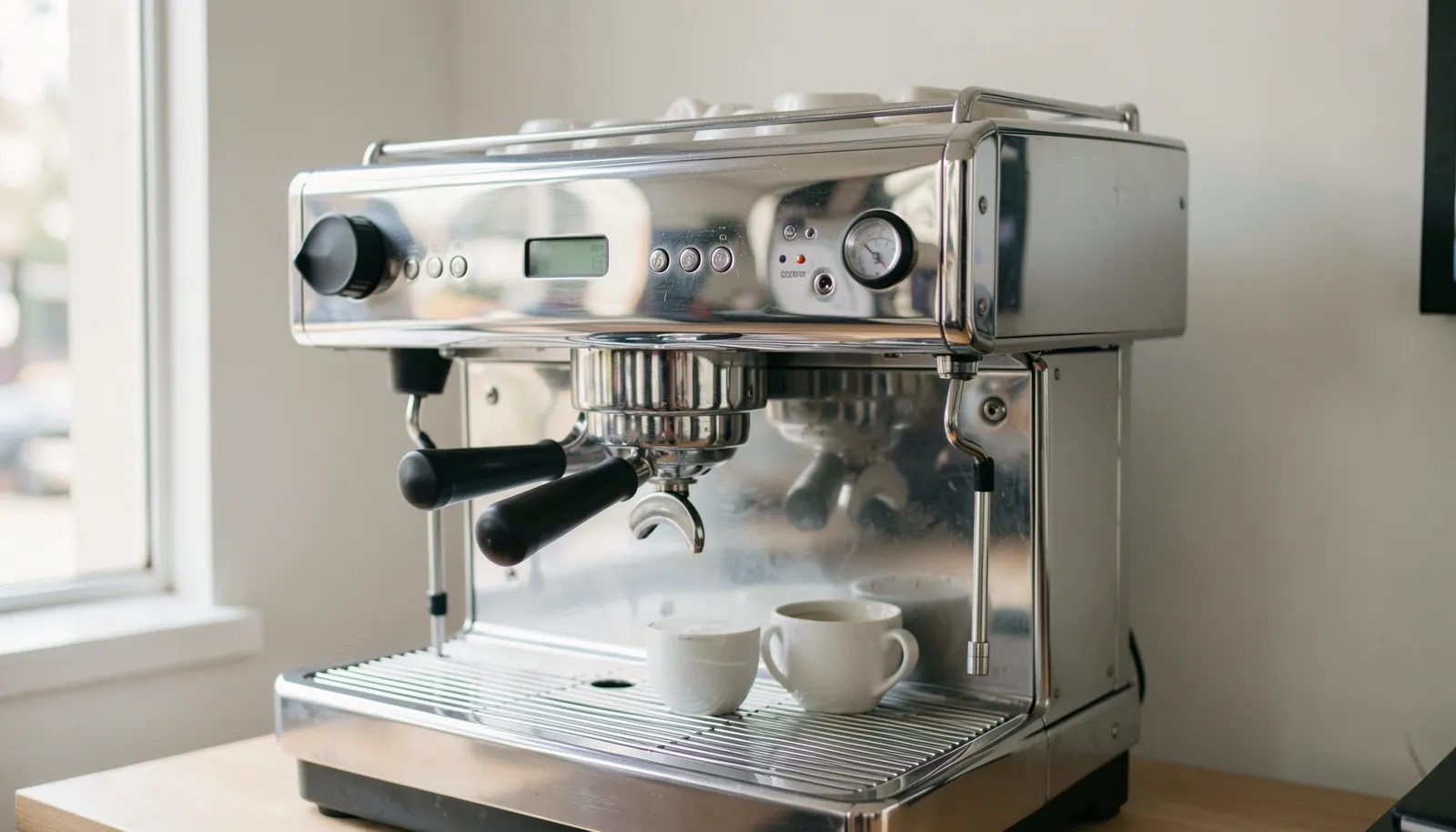
This temperature guide is intended for standard drip, pour-over, and immersion methods. If you’re using an espresso machine, the rules change because of the high pressure involved. Espresso is typically brewed at 92°C to 94°C, but the machine’s internal boiler handles this differently than a kettle. If your espresso tastes sour, don’t try to fix it with a manual kettle; instead, adjust the temperature setting on your machine if it allows for it.
Another time to ignore these rules is when you’re making cold brew. In this case, hot water isn’t used at all. Using hot water for cold brew will extract tannins too quickly, making the drink bitter and destroying the smooth profile you want.
If you’re in a rush, you can use a “flash brew” method where you brew hot coffee directly over ice, but this is a specific technique that requires adjusting your water-to-coffee ratio to account for the melted ice.
Related reading: if you are still comparing options, see our guides to best coffee grinders for espresso, best coffee machines for home, best coffee machines for Americano and best coffee machines for flat whites.
Frequently Asked Questions
Can I use boiling water for coffee?
No, you should avoid using water that’s actively boiling. Boiling water is 100°C, which is too hot for most coffee beans and will cause the bitter compounds to extract too quickly. It’s best to wait about one minute after the kettle boils before you pour the water over your grounds.
Does the type of coffee bean change the temperature?
Yes, the roast level changes the ideal temperature. Light roasts are harder to extract and generally need water at the higher end of the range, around 96°C. Darker, more porous roasts extract very easily and are better brewed at 90°C to keep the flavour profile balanced and sweet.
How do I measure water temperature without a thermometer?
You can use the “wait time” method if you don’t have a thermometer. After an electric kettle reaches a boil and clicks off, wait 45 seconds for a medium-dark roast or 30 seconds for a light roast. This simple timing method is highly consistent and works well for most home brewing setups.
Is it safe to reheat coffee in the microwave?
Yes, it’s safe to reheat coffee in the microwave, but it will likely change the flavour. Microwaves heat the liquid unevenly and can cause the coffee to become bitter if it gets too hot. Use a medium power setting and heat it in 30-second bursts, stopping before the liquid reaches a boil to keep the taste as close to the original as possible.
Why does my coffee taste sour?
Sourness usually means your coffee is under-extracted. This happens if the water temperature is too low or if you used a grind size that was too coarse. Try using hotter water or grinding your beans slightly finer to increase the extraction level and balance the acidity.
What happens if I use water that’s too hot?
Using water that’s too hot will extract too many bitter compounds from the coffee grounds. This masks the natural sweetness and fruity notes of the bean, leaving you with a cup that feels dry or harsh on the tongue. If your coffee is consistently bitter, lower your water temperature by 2°C for your next brew.
Conclusion
Finding your personal preference doesn’t have to be complicated. Try brewing your next batch a few degrees cooler or warmer than usual to see how the taste changes. You’ll soon discover the exact heat that makes your favourite beans shine. It’s a simple experiment that’ll definitely improve your morning routine.