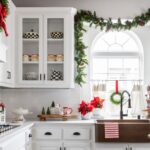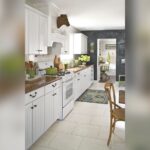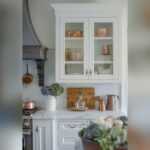

A French country kitchen is much more than a place to cook. It’s a warm, welcoming space full of character and charm. Many people love this style because it feels relaxed, lived-in, and friendly. If you’re dreaming of creating a French country kitchen, you can start with simple changes or dive into bigger projects.
You don’t need to live in France or have a huge budget to bring this look home. With the right choices, any kitchen can capture the spirit of the French countryside.
In this guide, you’ll find clear steps and practical advice for decorating a French country kitchen. You’ll learn about key elements, colour palettes, materials, furniture, and accessories. There are also tips for choosing appliances, lighting, and arranging your kitchen. By the end, you’ll know exactly how to create this timeless style—even if you’re new to interior design.
Understanding French Country Kitchen Style
The French country kitchen is inspired by rural homes in regions like Provence, Normandy, and Burgundy. This style blends elegance and comfort. It’s not fancy or modern—French country kitchens are about simple beauty and everyday living.
Key features include:
- Soft, muted colours
- Natural materials (wood, stone, ceramics)
- Vintage or rustic furniture
- Open shelves and display spaces
- Subtle patterns (checks, florals, stripes)
- Warm lighting
- Decorative touches (copper pots, baskets, pottery)
You’ll often see a mix of old and new. The look is casual, never perfect or too polished. If something is slightly worn or imperfect, that’s part of the charm.
Choosing The Right Colour Palette
Colour sets the mood in a French country kitchen. The palette is gentle and earthy, with inspiration from nature and the French landscape.
Popular colours:
- Soft white
- Cream
- Pale blue
- Sage green
- Lavender
- Warm grey
- Terracotta
Walls are usually light, making the space feel open and clean. Cabinets, furniture, and accessories often use muted tones. Bright colours are rare, but small pops (like yellow or blue) can add interest.
Tips for picking colours:
- Start with a neutral base. Whites and creams are classic for walls and cabinets.
- Add accent colours in furniture, textiles, or décor.
- Use natural materials to bring warmth (wood, stone).
- Avoid shiny finishes—matte or distressed surfaces look more authentic.
- If you’re unsure, try sample pots before painting.
A common mistake is choosing colours that are too bold or modern. Stick to soft, subtle shades to keep the French country feel.
Materials And Textures
French country kitchens use materials that are natural and sometimes imperfect. These textures give the kitchen depth and character.
Main materials:
- Wood: Used for cabinets, tables, floors, and beams. Look for aged or distressed wood—oak, pine, and walnut are popular.
- Stone: Flagstone or terracotta tiles for flooring, stone countertops, and backsplashes.
- Ceramics: Plates, jugs, and tiles often feature hand-painted designs.
- Iron and copper: Hardware, light fixtures, and pots.
- Linen and cotton: Used for curtains, tablecloths, and towels.
Common textures:
- Rough stone
- Brushed or sanded wood
- Woven baskets
- Soft fabrics
Try combining different textures for a layered look. For example, a stone floor with wooden cabinets and iron handles feels authentic and inviting.
Material Comparison Table
Here’s a quick comparison of popular materials for French country kitchens:
| Material | Where Used | Benefits | Typical Look |
|---|---|---|---|
| Wood | Cabinets, furniture, beams, floors | Warm, durable, ages well | Distressed, matte, natural grain |
| Stone | Floors, countertops, backsplashes | Strong, rustic, easy to clean | Uneven, earthy colours |
| Ceramic | Dishes, tiles, décor | Colourful, traditional, easy to replace | Hand-painted, glossy or matte |
| Iron/Copper | Pots, hardware, lighting | Long-lasting, adds shine | Patina, aged, sometimes polished |
Cabinets And Storage
Cabinets are a big part of any kitchen. In a French country kitchen, they often look simple and traditional.
Features to look for:
- Shaker-style doors: Flat panels with simple frames.
- Open shelving: Perfect for displaying dishes and glassware.
- Glass-front cabinets: Show off your favourite items.
- Distressed finishes: Makes cabinets look aged.
Avoid modern, glossy cabinets—they don’t fit the French country vibe. Instead, choose wood or painted finishes in soft colours.
Storage tips:
- Use baskets for fruits, vegetables, or bread.
- Hang pots and pans from a rack or hooks.
- Add a freestanding cupboard (armoire) for extra storage.
- Install plate racks or open shelves.
- Keep everyday items visible—French kitchens often display rather than hide things.
If you have limited space, open shelving makes the kitchen feel bigger. Just keep shelves tidy, and rotate items to avoid clutter.
Cabinet Style Comparison Table
Compare popular cabinet styles below:
| Style | Typical Finish | Best For | French Country Score |
|---|---|---|---|
| Shaker | Matte paint, wood stain | Simple, elegant look | High |
| Raised Panel | Paint, aged wood | Classic, formal kitchens | Medium |
| Slab | Glossy, flat | Modern, sleek kitchens | Low |

Credit: www.french-address.com
Furniture Choices
Furniture in a French country kitchen is practical and comfortable. You’ll often see pieces that look like they’ve been passed down through generations.
Essential furniture:
- Farmhouse table: Large, sturdy, often wood.
- Windsor or ladder-back chairs: Simple, classic shapes.
- Bench seating: Adds a casual touch.
- Sideboard or buffet: For extra storage and display.
- Island or butcher’s block: Useful for prep and serving.
Look for furniture with curves, turned legs, and natural finishes. Don’t worry if pieces don’t match perfectly—mixing styles adds charm.
Tips for choosing furniture:
- Prioritise comfort and durability.
- Pick pieces with visible wood grain or painted finishes.
- Avoid shiny, plastic, or metal furniture.
- Add cushions or throws in natural fabrics.
- If buying new, look for “distressed” or “antique” finishes.
A common mistake is choosing furniture that’s too modern or formal. French country kitchens feel relaxed and lived-in.
Flooring Options
Flooring is important for setting the tone. French country kitchens use materials that are practical and beautiful.
Popular choices:
- Stone tiles: Flagstone, limestone, terracotta.
- Wood planks: Wide boards, aged finishes.
- Ceramic tiles: Often in soft, earthy tones.
Terracotta tiles are common in Provence. They add warmth and are easy to clean. Wooden floors are also popular, especially if they’re slightly worn.
Flooring tips:
- Choose natural materials for authenticity.
- Avoid wall-to-wall carpet—it’s not practical for kitchens.
- Consider adding a rug for comfort and colour.
- Use matte or textured finishes to prevent slipping.
Flooring Comparison Table
A quick look at flooring options:
| Type | Durability | Maintenance | French Country Look |
|---|---|---|---|
| Stone Tile | High | Easy | Classic |
| Wood Plank | Medium | Moderate | Rustic |
| Ceramic Tile | High | Easy | Traditional |
Lighting
Lighting in a French country kitchen is soft and inviting. It makes the space feel cosy.
Types of lighting:
- Pendant lights: Over the table or island.
- Wall sconces: Add warmth to corners.
- Chandeliers: Wrought iron or painted wood.
- Table lamps: On sideboards or open shelves.
Avoid harsh, modern lights. Use bulbs with warm tones (2700K to 3000K). Lampshades in linen or cotton help diffuse light.
Tips for lighting:
- Layer different types for flexibility.
- Use dimmers to control brightness.
- Pick fixtures with curves and aged finishes.
- Place lights at different heights for depth.
- Add candles for extra warmth.
Many beginners forget to layer lighting. Combining overhead, wall, and table lights creates a welcoming atmosphere.
Accessories And Décor
Accessories bring personality to your kitchen. In French country style, décor is often practical—things you use every day become part of the design.
Favourite accessories:
- Copper pots and pans: Hang or display for shine.
- Ceramic pitchers and plates: Often hand-painted.
- Woven baskets: Store bread, fruit, or flowers.
- Vintage jars and bottles: For spices or oil.
- Iron hooks and racks: Hang utensils or towels.
- Fresh flowers: Lavender, sunflowers, wild blooms.
- Artwork: Prints, paintings, or signs in French.
You can collect accessories over time. Flea markets and antique shops are perfect for finding unique items.
Décor tips:
- Use everyday objects as decoration.
- Mix old and new—don’t worry about matching.
- Display items in groups for impact.
- Keep surfaces clear, but not empty.
- Change accessories with the seasons.
A non-obvious insight: In French country kitchens, décor often tells a story. Old pots, family dishes, and handmade textiles add history and meaning.
Window Treatments
Windows are important for light and atmosphere. French country kitchens often have simple, pretty treatments.
Popular options:
- Linen or cotton curtains: Light, airy fabrics.
- Roman shades: Soft folds, natural colours.
- Café curtains: Cover the lower half for privacy.
Avoid heavy drapes or blinds. Instead, let in as much natural light as possible.
Tips for window treatments:
- Pick fabrics in soft colours or subtle patterns.
- Use tiebacks for a relaxed look.
- Consider adding lace or embroidery for detail.
- Hang curtains higher to make windows look bigger.
- Clean fabrics regularly to keep them fresh.
Appliances And Technology
Appliances are necessary, but they should blend in. Modern stainless steel is common, but it can feel out of place.
Ways to keep appliances in style:
- Choose white, cream, or coloured appliances.
- Hide dishwashers or fridges behind cabinet panels.
- Pick vintage-inspired designs (retro stoves or fridges).
- Arrange appliances so they don’t dominate the room.
Many brands now offer appliances with classic looks. For example, the AGA cooker is popular in country kitchens.
Tips for appliances:
- Place appliances in less visible spots.
- Use open shelving for smaller items (toaster, kettle).
- Avoid bulky, industrial designs.
- Match appliance colours to your palette.
A common mistake: Forgetting appliance placement. Plan so they don’t interrupt the flow or dominate the décor.

Credit: www.hellolovelystudio.com
Wall Treatments
Walls in French country kitchens are rarely plain. You can use paint, tile, wood, or wallpaper.
Popular wall treatments:
- Paint: Soft, matte finishes in light colours.
- Tile: Ceramic or stone backsplashes.
- Wood panelling: Beadboard or shiplap.
- Wallpaper: Subtle patterns—floral, stripe, or toile.
Tips for wall décor:
- Use tile behind cookers or sinks for easy cleaning.
- Hang artwork or vintage signs.
- Try wall shelves for extra display.
- Add panelling to give depth and texture.
- If using wallpaper, pick designs with gentle colours.
Many people skip wall décor. Adding texture and pattern makes the kitchen feel richer and more inviting.
Creating A Layout
The layout is how your kitchen is arranged. French country kitchens are often practical, with space to cook, eat, and socialise.
Common layouts:
- Galley: Cabinets on two sides, good for small spaces.
- L-shaped: Cabinets along two walls, open feel.
- U-shaped: Cabinets on three sides, lots of storage.
- Open plan: Kitchen connects to dining or living room.
Tips for layout:
- Keep the work triangle (sink, stove, fridge) clear.
- Allow space for a table or island.
- Add seating for family or guests.
- Avoid blocking windows or doors.
- Use rugs or furniture to define zones.
French country kitchens often have a central table or island. It’s a place for cooking, eating, and chatting.
Bringing The Outdoors In
French country kitchens feel connected to nature. You can bring the outdoors inside with plants, herbs, and natural materials.
Ideas:
- Grow herbs in pots on the windowsill.
- Add fresh flowers in vases or baskets.
- Use wood, stone, and woven textures.
- Place a bowl of fruit or vegetables on the table.
- Open windows for fresh air.
A non-obvious tip: Place a small bench or chair near a window. It’s perfect for reading, relaxing, or enjoying a cup of coffee.
Budgeting And Planning
Decorating a French country kitchen can be affordable. You don’t need to buy everything at once.
Steps to plan your budget:
- Decide your priorities: Paint, cabinets, furniture, accessories.
- Set a budget for each category.
- Shop second-hand for unique, affordable items.
- Do small projects yourself (painting, sewing curtains).
- Spread purchases over time.
Average costs:
- Paint: £50–£150 per room
- Cabinets: £1,000–£4,000
- Furniture: £200–£1,500
- Accessories: £50–£500
- Flooring: £500–£3,000
You can save money by updating existing furniture, using DIY skills, and shopping at local markets.
:max_bytes(150000):strip_icc()/20201016_BeccaInteriors_Southampton-12-05804a4b4db6441eb16af7617793e928.jpg)
Credit: www.thespruce.com
Common Mistakes And How To Avoid Them
Many people make mistakes when decorating. Here are some pitfalls and solutions:
- Too much matching: Mix different styles for a lived-in look.
- Using bold colours: Stick to soft, muted tones.
- Choosing glossy finishes: Matte and distressed are better.
- Ignoring lighting: Layer lights for warmth.
- Cluttered shelves: Display items, but keep them tidy.
- Buying all new: Vintage and second-hand pieces add authenticity.
- Overusing patterns: Use them sparingly—balance is key.
- Forgetting comfort: Prioritise furniture that’s practical and inviting.
- Neglecting storage: Use baskets, shelves, and cupboards.
- Rushing the process: Build your kitchen slowly for the best results.
A non-obvious insight: French country style is about patience. Collecting pieces over time makes the kitchen feel genuine.
Inspiration And Resources
If you want more ideas, look at magazines, websites, or visit local shops. The French countryside itself is a great source of inspiration.
You can find helpful images and tips on sites like House & Garden. Look for real homes, not just showroom kitchens.
Frequently Asked Questions
What Colours Work Best In A French Country Kitchen?
Soft whites, creams, pale blue, sage green, warm grey, and terracotta are most popular. Avoid bright or shiny colours. Stick to muted, earthy tones for a classic look.
How Can I Make My Kitchen Feel More Authentic?
Use natural materials like wood and stone. Mix old and new items. Add accessories with history (vintage pots, family dishes). Display everyday objects, and avoid matching everything perfectly.
Are Open Shelves A Good Idea?
Yes. Open shelves are common in French country kitchens. They’re perfect for displaying dishes and glassware. Just keep them organised, and rotate items to avoid clutter.
Can I Use Modern Appliances?
You can use modern appliances, but try to blend them in. Choose classic colours, hide appliances behind panels, or pick vintage-inspired designs. Plan their placement so they don’t dominate the room.
Is French Country Style Expensive?
It doesn’t have to be. You can decorate on a budget by updating existing furniture, shopping second-hand, and doing small projects yourself. Collect pieces over time for a genuine, lived-in feel.
Creating a French country kitchen is a journey, not a race. Every detail—from colour to accessories—adds to the warmth and charm. Whether you make small changes or big updates, the goal is a space that feels welcoming, comfortable, and full of character.
With patience and the right choices, you can enjoy the beauty of the French countryside in your own home.