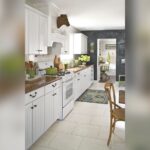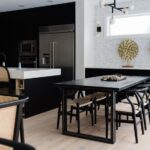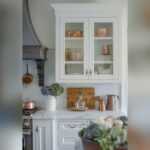

A grey kitchen can be both elegant and practical. Grey offers a neutral base that works well with many styles, from modern to rustic. Still, decorating a grey kitchen so it feels lively and welcoming takes planning. The right colours, textures, and accessories can turn a simple grey space into a true centrepiece of your home.
Many people worry that grey will look dull or cold, but with a few smart choices, your kitchen can be stylish and full of personality. This guide will show you how to decorate a grey kitchen, with real examples, useful data, and advice that goes beyond the basics.
Understanding The Grey Kitchen Palette
Grey is more than just one shade. There are many types of grey, each with its own mood and effect. Light greys can make a kitchen feel airy and bright, while darker greys add depth and drama. The tone of your grey—whether it is cool or warm—affects how other colours and materials work in your kitchen.
Types Of Grey
- Cool grey: Has blue, green, or purple undertones. Feels sleek and modern. Cool grey is often used in contemporary kitchens where stainless steel or glass is present. This shade can work well if you want a minimalist look and pair it with icy blue or crisp white accents.
- Warm grey: Includes hints of brown, taupe, or yellow. Feels softer and more inviting. Warm grey is often chosen for spaces where comfort is important. It pairs nicely with natural wood and warm metals like brass.
- Charcoal: Deep, almost black. Adds boldness and contrast. Charcoal is dramatic and can make a large kitchen feel intimate. It works well in spaces with plenty of natural light or light-coloured floors and countertops.
- Pale grey: Soft, almost white. Opens up small spaces. Pale grey is perfect for kitchens that feel cramped or need more light. It acts as a blank canvas for colourful accessories or artwork.
Choosing the right shade is your first step. If your kitchen is small or lacks natural light, pale grey can make it feel larger. For bigger kitchens, charcoal or mid-tone grey can create a strong, stylish look. If you want a flexible base for changing décor, mid-tone grey often works best because it can go both warm and cool depending on your accessories.
Common Grey Kitchen Styles
Grey kitchens work for many styles:
- Modern: Clean lines, minimal hardware, glossy surfaces. Modern grey kitchens often use flat-panel cabinets and simple splashbacks for a streamlined look.
- Industrial: Concrete, metal, exposed pipes. Grey is the backbone of industrial style, often paired with black or silver fixtures.
- Classic: Shaker cabinets, marble worktops, subtle patterns. A classic grey kitchen uses soft, warm greys and traditional details.
- Scandinavian: Light greys, wood accents, simple shapes. Scandinavian style relies on pale grey, natural wood, and minimal decoration for a calming effect.
Knowing your style will help you select the right materials and decorations. For example, an industrial kitchen may use cool grey walls, exposed brick, and metal stools, while a classic kitchen may feature warm grey cabinets and elegant marble counters.
Adding Colour Accents
Grey alone can feel flat if not balanced with other colours. Colour accents bring energy and warmth to the kitchen. You don’t need to paint whole walls or buy colourful cabinets. Small touches make a big difference.
Best Colours To Pair With Grey
- Yellow: Bright and cheerful. Works well as a splashback or bar stools. Yellow is especially powerful in pale grey kitchens, where it stands out without overwhelming the space.
- Blue: Calm and classic. Navy blue pairs beautifully with mid-tone greys. Lighter blues feel fresh, while deep blues add sophistication.
- Green: Fresh and natural. Sage or emerald add depth. Green works well in warm grey kitchens, especially with wood accents.
- Pink: Soft and modern. Blush tones feel chic. Pink can be playful or elegant, depending on the amount used.
A survey by Houzz found that 48% of homeowners who renovated their kitchens with grey used blue or green as accent colours. These colours are easy to add through textiles, kitchenware, or small appliances.
Examples Of Colour Accents
- Kitchenware: Bright kettles, toasters, or utensils. For example, a turquoise kettle on a grey countertop adds instant energy.
- Textiles: Colourful tea towels, rugs, or seat cushions. Try a patterned rug under the dining table or soft cushions on bar stools for comfort and style.
- Artwork: Prints or paintings with bold colours. Abstract art with splashes of yellow or pink can break up grey walls.
- Plants: Greenery adds life and softens grey surfaces. Even a single pot of basil or a hanging ivy can make the room feel more vibrant.
The key is balance. One or two accent colours are enough. Overdoing it can make the kitchen feel cluttered. If you want to experiment, start with removable accessories and see how the colours look in different lights.
A common mistake is adding too many colours at once. Focus on one main accent, and use a secondary colour only in small amounts (like handles or small décor). This keeps the space calm and cohesive.
Choosing The Right Materials And Textures
Texture plays a big role in making a grey kitchen feel interesting. Smooth grey cabinets can look too plain if everything else is also flat. Mixing materials and textures adds depth and warmth.
Popular Materials For Grey Kitchens
- Wood: Oak, walnut, or ash bring natural warmth. Wood can be used for worktops, shelves, or even floors. Oak is lighter and brightens the kitchen; walnut is dark and rich.
- Marble: Classic and elegant, especially for worktops or splashbacks. Marble brings a sense of luxury and can be used as a statement piece behind the hob.
- Metal: Stainless steel, brass, or copper for handles and lighting. Metal details add shine and break up grey surfaces. Brass is warmer, while chrome is cooler.
- Glass: Glossy cabinet doors, pendant lights, or shelves. Glass reflects light and makes kitchens feel more open.
Mixing these materials prevents monotony. For example, pairing matte grey cabinets with a wooden worktop gives a cosy feel. Adding metal handles or glass splashbacks creates visual interest and is easy to clean.
Texture Comparison Table
Here’s a quick look at how different textures affect the feel of a grey kitchen:
| Texture | Effect on Kitchen | Recommended Use |
|---|---|---|
| Matte | Soft, understated | Cabinets, walls |
| Glossy | Modern, reflective | Splashbacks, surfaces |
| Woodgrain | Warm, organic | Worktops, flooring |
| Metallic | Industrial, sleek | Handles, light fixtures |
Practical Texture Tips
- If your kitchen feels cold, add wood accents—flooring, shelves, or a butcher’s block. This instantly warms the space.
- For a modern look, combine glossy cabinets with matte walls. The contrast is stylish and prevents the room from looking too shiny.
- Use metal hardware to break up large grey surfaces. Try mixing metals—brass handles with stainless steel appliances.
Many beginners miss the impact of texture. It’s not just about colour; even small changes in texture can transform the space. Try adding a woven basket for fruit, a textured rug, or a linen blind for extra variety.
Another non-obvious insight: Texture can be used to highlight zones. For example, a wooden breakfast bar next to matte grey cabinets separates cooking and dining areas.
Lighting To Enhance A Grey Kitchen
Lighting is crucial in any kitchen, but especially in grey spaces. The wrong lighting can make grey look dull, while the right lighting brings out its beauty.
Types Of Lighting
- Ambient: General ceiling lights. Sets the overall brightness. Good ambient light prevents the kitchen from feeling gloomy.
- Task: Focused lights for cooking or food prep (under-cabinet or pendant). Task lighting makes cooking safer and easier.
- Accent: Highlights features like artwork, shelves, or splashbacks. Accent lighting draws attention to special areas.
Lighting Placement Tips
- Use warm bulbs to soften cool grey tones. Warm light creates a welcoming atmosphere.
- Place under-cabinet lights to brighten worktops. These lights are practical and make the kitchen feel more open.
- Hang pendant lights over islands or breakfast bars for style and function. Choose bulbs that match your accent colours for extra effect.
According to the Lighting Research Centre, kitchens with layered lighting are 27% more likely to be rated as “welcoming” by homeowners. Layered lighting means using more than one type—ambient, task, and accent—for a balanced look.
Lighting Comparison Table
Compare how different lighting types affect the look of your grey kitchen:
| Lighting Type | Colour Temperature | Effect | Best Use |
|---|---|---|---|
| Warm White | 2700K–3000K | Cosy, inviting | Dining area, ambient |
| Cool White | 4000K–5000K | Clean, energetic | Task lighting, cooking |
| Daylight | 5000K–6500K | Bright, crisp | Accent lighting |
Common Mistakes
- Using only overhead lights. This can create shadows and make grey look flat. Layering is key.
- Choosing bulbs that are too cool, which can make the kitchen feel icy.
Always check the bulb’s colour temperature before buying. Warmer lights are safer for most grey kitchens. If you want a modern look, mix cool task lights with warm ambient lights for balance.
Another tip: Dimmer switches let you adjust the mood. Bright for cooking, soft for eating or relaxing.
Cabinet And Worktop Ideas
Cabinets and worktops are the heart of most kitchens. Grey cabinets can look stunning, but it’s important to choose the right style and finish.
Cabinet Styles
- Shaker: Simple, classic, works with both light and dark grey. Shaker doors add detail without being fussy.
- Flat-panel: Modern, best for glossy finishes. Flat panels suit contemporary homes and are easy to clean.
- Glass-front: Adds transparency and breaks up large grey areas. Glass cabinets are great for displaying dishes and can make a small kitchen feel bigger.
Worktop Options
- White marble: Elegant, brightens dark grey cabinets. Marble is timeless but needs gentle cleaning.
- Wood: Adds warmth, pairs well with cool grey. Wood worktops need oiling but feel natural.
- Quartz: Durable, comes in many colours. Quartz is popular for its strength and variety.
- Concrete: Industrial, matches charcoal grey. Concrete is unique and can be custom-formed for your space.
A study by the National Kitchen and Bath Association found that 61% of new kitchens feature contrasting worktops to cabinets. Contrasts help break up monotony and add personality.
Cabinet & Worktop Pairing Table
See how different cabinet and worktop combinations change the kitchen’s mood:
| Cabinet Colour | Worktop Material | Overall Effect |
|---|---|---|
| Light Grey | White Marble | Bright, sophisticated |
| Charcoal Grey | Wood | Warm, rich |
| Mid-tone Grey | Concrete | Urban, stylish |
| Pale Grey | Quartz | Clean, contemporary |
Practical Tips
- Use open shelving with wood or glass to break up grey cabinets. This makes the kitchen feel lighter.
- Add contrasting handles—brass, black, or chrome—for detail. Handles are easy to change for a new look.
- If you have budget constraints, changing handles or adding a new worktop can update your kitchen without full renovation. Even painting old cabinets grey is a cost-effective way to refresh the space.
A non-obvious tip: Use vertical cabinet lines or tall pantry units to draw the eye upward, making small kitchens feel taller.
Flooring Choices For Grey Kitchens
The floor is a big part of the kitchen’s look. With grey cabinets or walls, choosing the right flooring helps balance the space.
Flooring Materials
- Wood or laminate: Adds warmth. Light oak works well with cool greys. Dark wood creates contrast with pale grey.
- Tile: Many patterns and colours. White or patterned tiles add interest. Hexagon tiles or metro tiles are trendy and practical.
- Vinyl: Affordable, easy to clean. Comes in many designs. Vinyl can mimic wood or tile and is good for families.
- Polished concrete: Modern, best for urban styles. Concrete floors are durable and work well with charcoal cabinets.
Flooring Colour Tips
- Avoid grey flooring with grey cabinets unless you use different shades or textures. For example, a pale grey floor with dark grey cabinets.
- Warm wood tones can stop the kitchen feeling too cold. Try honey oak or golden maple.
- Patterned tiles bring energy and focus. Geometric patterns or colourful mosaics add personality.
A report by Which? Magazine shows kitchens with wood or patterned tile floors are preferred by 67% of buyers viewing homes with grey kitchens.
Real Example
A homeowner in Manchester paired pale grey cabinets with herringbone oak flooring and green plants. The result was a cosy, lively space that felt modern but welcoming. Another example is a London flat with charcoal cabinets and white hexagon tiles, which felt open despite its small size.
Don’t overlook rugs. A small kitchen rug in a bold colour can protect floors and add softness.
Credit: www.rugs-direct.com
Splashbacks And Wall Treatments
Splashbacks are a chance to add colour, pattern, or shine. Walls also matter—especially if your kitchen has open shelves or minimal upper cabinets.
Splashback Options
- Coloured glass: Reflects light, easy to clean. Try teal or lemon yellow for energy.
- Metro tiles: Classic, can be white, coloured, or patterned. White metro tiles suit almost any grey shade.
- Marble: Luxurious, pairs well with both dark and light grey. Marble splashbacks are a statement feature.
- Patterned ceramic: Adds personality. Spanish or Moroccan tiles can make your kitchen unique.
Wall Treatments
- Paint: Choose soft, warm colours for balance. Pale pink or taupe works well.
- Wallpaper: Subtle patterns or textures work best. Avoid bold patterns unless your kitchen is large.
- Open shelves: Display colourful dishes or plants. Shelves break up grey walls and add storage.
A common mistake is picking a splashback that matches the cabinets too closely. A contrasting splashback draws attention and breaks up grey. For a practical tip, use a splashback that is easy to wipe clean, especially behind the hob.
Accessorising Your Grey Kitchen
Accessories are the finishing touch. They help personalise the space and can be easily changed.
Best Accessories
- Plants: Herbs, succulents, or hanging vines. Plants add freshness and are easy to maintain.
- Artwork: Food prints, abstract designs, or photography. Art makes the kitchen feel more personal.
- Textiles: Rugs, tea towels, or seat cushions in accent colours. Textiles are a quick way to change the look.
- Cookbooks: Stack on open shelves for a lived-in feel. Cookbooks also make the space feel practical.
Non-obvious Insight
Accessories can be used to test new colour schemes. If you’re unsure about adding a bold colour, start with accessories before committing to paint or furniture. This way, you can see how colours look at different times of day.
Another tip: Use baskets for storage. Woven baskets add texture and keep clutter hidden.

Credit: www.homebunch.com
Window Treatments And Natural Light
Windows are often overlooked in kitchen design. The right treatment can improve both style and function.
Options
- Roman blinds: Soft, easy to clean, many colours. Blinds can add pattern or colour without overwhelming the room.
- Roller shades: Simple, good for modern kitchens. Choose light colours to let in more daylight.
- Curtains: Best for classic styles. Use linen or cotton for a soft look.
- No treatment: If privacy isn’t an issue, let natural light shine. Bare windows are best for Scandinavian kitchens.
Letting in natural light is vital. Grey looks best with sunlight. If your kitchen is dark, use mirrors or glossy surfaces to reflect light. Place a mirror opposite a window to double the daylight.
A non-obvious insight: Frosted glass windows let in light but keep privacy. This is helpful if your kitchen faces a street.
Creating A Cohesive Flow
A kitchen should feel connected to the rest of your home. If your living room or dining area is visible, coordinate the colours and styles.
Tips For Cohesion
- Repeat accent colours or materials in nearby rooms. For example, a yellow vase in the kitchen and yellow cushions in the living room.
- Use similar lighting fixtures. Pendant lights that match the dining room make transitions smoother.
- Match flooring or rugs for a smooth transition. Wood floors that run from kitchen to hallway unify the spaces.
This is often missed by beginners. A kitchen that matches the rest of your home feels more spacious and intentional. Even small details, like matching handles or artwork, can help.

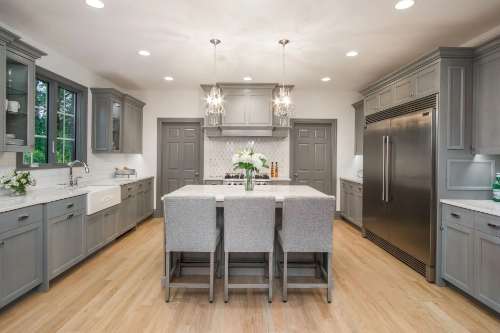
Credit: www.housebeautiful.com
Decorating For Small And Large Grey Kitchens
The size of your kitchen affects decoration choices.
Small Kitchen Tips
- Use light grey to make the space feel bigger. Pale shades reflect more light.
- Add mirrors or glossy finishes to reflect light. Glossy cabinet doors or mirrored splashbacks are helpful.
- Limit accent colours to avoid clutter. One main accent colour works best.
Large Kitchen Tips
- Try charcoal grey for drama. Dark shades are bold in big rooms.
- Use bigger accessories and artwork. Large paintings or oversized pendant lights fill the space.
- Create zones—cooking, dining, relaxing—to break up space. Use rugs or lighting to mark different areas.
If you have a small kitchen, avoid bulky furniture. Choose slim chairs and open shelving. In large kitchens, consider a kitchen island or breakfast bar.
Personalising Your Grey Kitchen
Your kitchen should reflect your personality. Even in a grey kitchen, you can show your style.
Ideas
- Display collections (teapots, mugs, vintage tins). Collections add charm and are conversation starters.
- Hang family photos or art. Photos make the kitchen feel welcoming.
- Add a chalkboard wall for notes or recipes. Chalkboards are practical and fun for families.
Many people forget personal touches. Even small details make a kitchen feel like home. Try framing a recipe from your family or displaying souvenirs from travels.
Another tip: Use unique hardware or custom handles for a personal touch. These are easy to change and make your kitchen stand out.
Sustainability And Grey Kitchens
Eco-friendly kitchens are on the rise. If you care about sustainability, grey is a good base because it’s timeless and won’t need frequent updating.
Sustainable Choices
- Choose recycled materials for worktops or tiles. Recycled glass or reclaimed wood is both stylish and eco-friendly.
- Use LED lighting to save energy. LEDs last longer and are available in many colours.
- Buy locally made accessories. Local products reduce transport emissions and support your community.
For more sustainable kitchen tips, visit Green Building Advisor.
A non-obvious insight: Consider water-saving taps and energy-efficient appliances. These help the planet and save money.
Maintenance And Cleaning Tips
Grey kitchens are easier to keep clean than white, but they still need care.
Cleaning Tips
- Use mild soap and water for cabinets. Avoid strong chemicals that can damage finishes.
- Avoid harsh chemicals on marble or wood. Use gentle cleaners for natural materials.
- Wipe metal handles with a soft cloth. Prevent fingerprints and keep handles shiny.
Dark grey shows fingerprints less than pale grey, but regular wiping keeps everything fresh. For stubborn stains, use a mixture of vinegar and water. Always dry surfaces after cleaning to avoid marks.
A tip many miss: Clean splashbacks and under-cabinet lights regularly. Grease can build up quickly in these areas.
Frequently Asked Questions
How Do I Make A Grey Kitchen Feel Warm?
Use warm accent colours like yellow or wood. Add soft lighting and textured accessories (rugs, cushions). Plants and artwork also help. Try layering rugs or using woven baskets for extra warmth.
What Colours Go Best With Grey Kitchen Cabinets?
Blue, green, yellow, and pink are popular choices. For a classic look, try navy or sage. For a modern look, use blush pink or bright teal. Accent with black or brass for depth.
Can I Have A Grey Kitchen In A Small Space?
Yes. Choose light grey shades and use mirrors or glossy surfaces. Limit accent colours to avoid clutter. Use open shelving and slim furniture to maximise space.
What Is The Best Flooring For A Grey Kitchen?
Wood or patterned tile are top picks. Avoid matching grey flooring unless you use different shades or textures. Vinyl is good for easy maintenance.
How Do I Keep A Grey Kitchen From Looking Cold?
Mix warm materials (wood, brass), use soft lighting, and add colourful accessories. Plants and artwork also soften the look. Try textured textiles and use warm-toned bulbs.
Decorating a grey kitchen is about balance. With the right colours, textures, and lighting, your kitchen can be both stylish and comfortable. Start small—try new accessories or lighting before making bigger changes. Remember, the best kitchens reflect the people who use them.
With these tips, your grey kitchen will stand out for all the right reasons.