
Decorating a kitchen wall with plates is more than just a trend—it’s a creative statement that brings colour, charm, and personality to one of the most important rooms in your home. Plates, once hidden in cupboards, can become art when displayed thoughtfully.
Whether your kitchen is modern, rustic, or classic, plate walls can fit any style. This guide walks you through every step, from choosing the right plates to arranging them safely and stylishly, helping you avoid common mistakes and make your kitchen wall a true showpiece.
Why Plates Make Great Wall Decor
Plates are unique as wall decor because they combine practicality and aesthetics. Unlike paintings or prints, plates add depth and texture. They reflect light differently, create movement on the wall, and often hold personal or cultural stories. Plates can introduce pops of colour, intricate patterns, or even a subtle, minimalist look depending on your selection.
Another advantage is flexibility. You can start small and add more plates over time, or swap pieces as your tastes change. This adaptability makes plate walls ideal for renters and homeowners alike. Unlike wallpaper or paint, a plate display is easy to update or move.
Choosing The Right Plates For Your Kitchen Wall
Selecting plates is the foundation of your project. Here’s how to make choices that will work visually and practically in your kitchen.
Think About Size And Scale
- Wall size matters: Large walls can handle bigger plates or a larger collection, while a small nook looks best with compact designs.
- Combine different sizes for a dynamic look. For example, mix large dinner plates with salad or dessert plates.
Consider Colour And Pattern
- Match or contrast: If your kitchen is neutral, colourful plates will pop. For a bold kitchen, white or single-colour plates can give balance.
- Patterns add interest: Florals, geometric shapes, or even scenic designs can create a focal point.
- Stick to a colour palette for harmony. Pick up colours from your kitchen accessories or furniture for a coordinated feel.
Mix Old And New
Combining vintage plates with modern designs adds depth and avoids a flat look. Antique stores, online marketplaces, and even family collections are great sources. Don’t worry if some plates are chipped or imperfect—this often adds character.
Material Matters
- Porcelain: Classic, glossy finish, easy to clean.
- Ceramic: Often hand-painted, with a more rustic feel.
- Enamel: Lightweight, industrial, and often colourful.
- Glass: Provides a delicate or modern look but is more fragile.
- Melamine: Lightweight and shatterproof, great for busy kitchens or homes with kids.
Non-obvious Insight: Avoid Plates With Raised 3d Elements
Plates with heavy 3D decorations are harder to hang securely and gather dust. Flat or slightly curved plates are best for wall displays.
Planning Your Plate Wall Layout
Before you hammer a single nail, planning is essential for a balanced and beautiful display.
Start With Inspiration
Look at magazines, Instagram, or Pinterest for ideas. Save photos that appeal to you and note what you like—symmetry, colour, randomness, or structure.
Sketch Your Arrangement
- Draw your wall on paper to scale.
- Cut circles from paper to represent each plate. Move them around until you’re happy with the design.
- Or, use painter’s tape to outline the arrangement directly on your wall.
Common Arrangements
Here are some popular layouts:
- Grid: Plates are hung in neat rows and columns. This works well for modern or minimalist kitchens.
- Cluster: Plates are grouped closely in an organic shape. This feels casual and artistic.
- Linear: Plates follow a line—horizontal, vertical, or diagonal. Good for narrow spaces.
- Radial: Plates radiate from a central point, like a sunburst. This is eye-catching and works well around a focal point.
Table: Common Plate Wall Layouts
| Layout Style | Visual Impact | Best For |
|---|---|---|
| Grid | Clean, orderly | Modern, minimalist kitchens |
| Cluster | Casual, creative | Eclectic, artistic spaces |
| Linear | Streamlined, directional | Narrow walls, above cabinets |
| Radial | Dynamic, bold | Large walls, focal areas |
Non-obvious Insight: Consider Viewing Height
Plates look best when centred at eye level (about 150 cm from the floor for most adults). If your kitchen has a dining area, ensure the display is visible when seated as well.
How To Hang Plates Safely And Securely
A beautiful display is nothing if plates fall and break. Here’s how to hang plates with confidence.
Choose The Right Hanging Hardware
- Adhesive Disc Hangers: Attach to the back of the plate; good for lightweight plates and invisible from the front.
- Wire Plate Hangers: Use springy wires that grip the plate edges. Strong and reusable, but check they don’t scratch.
- Plate Hanger Hooks: Special hooks that support plates, often used in sets.
- Sawtooth Hangers: For plates with flat backs or custom mounting.
Table: Plate Hanging Methods Compared
| Method | Visibility | Weight Capacity | Ease of Removal |
|---|---|---|---|
| Adhesive Disc | Invisible | Light to medium | Medium |
| Wire Hanger | Slightly visible sides | Medium to heavy | Easy |
| Hook | Invisible if behind plate | Light to medium | Easy |
| Sawtooth | Invisible | Medium | Medium |
Steps To Hang Plates
- Clean the Plates: Make sure plates are free of dust or grease so hangers stick well.
- Attach Hangers: Follow the product instructions. For adhesive, allow time to cure.
- Mark Wall Positions: Use a pencil to mark where each hanger will go, based on your plan.
- Install Wall Hooks or Nails: For heavier plates, use wall anchors.
- Hang Plates and Adjust: Step back and check alignment. Adjust as needed.
Safety Tip: Test Each Plate
Before hanging on the wall, gently shake each plate with its hanger attached to make sure it’s secure.
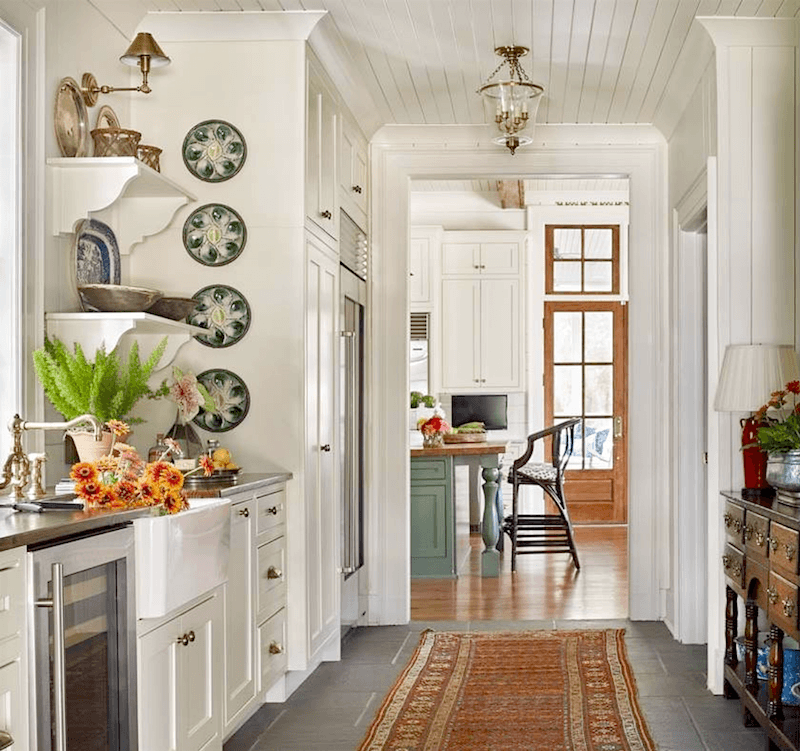
Credit: laurelberninteriors.com
Creating Visual Interest: Layering, Spacing, And Depth
A great plate wall is not only about which plates you choose, but how you display them.
Vary Plate Sizes
Mixing small, medium, and large plates prevents the arrangement from looking flat or predictable. Anchor your display with one or two larger plates, and fill gaps with smaller ones.
Play With Spacing
Uniform spacing looks formal; uneven spacing feels relaxed and creative. For most arrangements, 5–10 cm between plates works well. For clusters, plates can almost touch.
Overlap For Depth
Slightly overlapping some plates creates a layered effect and draws the eye. Make sure overlapping plates are very secure and not at risk of falling.
Use Other Elements
Add a few small objects like decorative tiles, framed miniatures, or even small baskets to break up the repetition and add texture.
Table: Plate Wall Visual Strategies
| Strategy | Effect | When to Use |
|---|---|---|
| Vary Sizes | Dynamic, engaging | Any arrangement |
| Play with Spacing | Structured or relaxed mood | Formal or casual kitchens |
| Overlap Plates | Depth, interest | Large displays, artful looks |
| Mix Elements | Texture, surprise | Eclectic or themed walls |
Coordinating Your Plate Wall With Kitchen Style
Your plate wall should feel like part of your kitchen, not an afterthought. Here’s how to tie everything together for a professional look.
Match The Plate Wall To Your Kitchen’s Theme
- Modern kitchens: Use monochrome plates, geometric shapes, and symmetrical layouts.
- Rustic kitchens: Choose hand-painted ceramics, earthy colours, and irregular arrangements.
- Classic kitchens: Blue-and-white plates, floral patterns, and grid layouts work well.
- Bohemian or eclectic spaces: Mix styles, colours, and add a few quirky pieces.
Pick A Focal Wall
Plate walls work best as a focal point. Good spots include:
- Above a breakfast nook or dining table
- Around a window or archway
- On the backsplash (if you’re not cooking directly below)
- Beside open shelves for a layered look
Non-obvious Insight: Echo Plate Colours In Accessories
For a pulled-together look, match or echo plate colours in your kitchen textiles, vases, or even small appliances. This small detail creates visual unity.
Adding Personal Touches: Stories And Memories
A plate wall is a unique chance to tell your story. Here’s how to make it truly personal.
Display Travel Souvenirs
Plates collected from trips add memories and conversation starters to your kitchen. Each plate can remind you of a place or moment.
Use Family Heirlooms
Grandmother’s or parents’ old plates add warmth and history. Mix these with newer pieces for a display that’s both modern and meaningful.
Showcase Handmade Or Local Art
Support local artists or try painting your own. Unique, hand-crafted plates stand out and give your wall a one-of-a-kind feel.
Seasonal Rotations
Change a few plates with the seasons—bright colours in summer, earth tones in autumn, or festive designs in winter. This keeps your kitchen feeling fresh all year.
Cleaning And Maintaining Plate Walls
Decorative plates need a little care to stay looking their best, especially in kitchens where grease and dust can build up.
Regular Dusting
Use a microfibre cloth or feather duster once a week to gently remove dust.
Deeper Cleaning
Every few months, carefully remove plates and wash them with mild dish soap and warm water. Make sure they are completely dry before rehanging.
Watch For Grease
If your plate wall is near the cooker, it may gather grease. Clean the wall and plates more often, or consider hanging a clear acrylic shield behind the plates.
Check Hardware
Inspect hooks and hangers every six months to ensure they are still secure. Replace any that are rusty or loose.
:max_bytes(150000):strip_icc()/1-21753702193445f1af34df41176e8c2f.jpeg)
Credit: www.thespruce.com
Troubleshooting Common Plate Wall Problems
No project is without its challenges. Here’s how to solve some typical issues.
Plates Won’t Stick To The Wall
- Clean both the wall and plate backs thoroughly.
- Try a different type of hanger, such as a wire instead of adhesive.
Plates Are Crooked
- Use a small level or laser tool when hanging.
- For cluster arrangements, slight unevenness often looks intentional—don’t stress over minor shifts.
Plates Keep Falling
- Ensure you’re using the correct hardware for plate weight.
- Install wall anchors for heavy or thick plates.
- If all else fails, consult a professional installer.
Wall Damage
- Use removable adhesive hooks for rented homes.
- To repair, fill holes with wall filler and touch up with paint.
Plate Patterns Don’t Show Well
- Try changing the arrangement, moving patterned plates to the centre.
- Use plain plates around bold designs to draw the eye.
Advanced Plate Wall Ideas For Unique Kitchens
Ready to go beyond the basics? Here are some creative twists for standout plate walls.
Create A Plate Mural
Arrange plates in the shape of an object or symbol—a heart, tree, or even your country’s outline. This takes planning but looks amazing.
Use Plates With Words Or Letters
Spell out a word (like “EAT” or “HOME”) with alphabet plates or decals.
Add Lighting
Install small spotlights or under-cabinet lights above the display to highlight textures and colours, especially at night.
Frame A Window Or Door
Surround a kitchen window or doorway with a ring or arch of plates for a playful, architectural detail.
Hang Plates On Shelves
Instead of the wall, lean plates on open shelves for a less permanent, easy-to-change display.
:max_bytes(150000):strip_icc()/1-742a629e7eac491ead2cb2d766492089.jpeg)
Credit: www.southernliving.com
Sustainability: Eco-friendly Plate Walls
Decorating with plates can also be environmentally friendly.
- Reuse vintage or second-hand plates instead of buying new ones.
- Choose plates made from recycled materials or sustainable ceramics.
- Avoid plastic plates unless they’re high-quality melamine meant for long-term use.
This approach not only saves money but also gives new life to old objects.
Example: Transforming A Dull Kitchen Wall
Let’s look at how one family transformed their small kitchen using a plate wall:
The kitchen was plain, with white walls and few features. They gathered 12 plates: some inherited, some found at charity shops, and a few modern ones from local artists. Using a cluster arrangement, they mixed sizes and patterns. They echoed the blue and yellow plate colours in their tea towels and a small vase.
The result? The kitchen felt warmer, more inviting, and truly their own. Visitors always ask about the plates, and the family enjoys adding new ones as they travel.
How Plate Walls Compare To Other Kitchen Wall Art
You may wonder: why not just hang prints or photos? Here’s how plate walls stack up.
- Plates are more durable in a kitchen environment—heat and moisture don’t damage them as easily as paper prints.
- They add texture and shine that flat art can’t match.
- Plate walls are easy to customise and expand, unlike framed art.
- Plates can be wiped clean, ideal for kitchens.
However, if you want to display detailed images or text, prints may work better. Many people combine both for a layered look.
Budgeting For A Plate Wall
A plate wall doesn’t have to be expensive. Here’s what to expect.
Cost Ranges
- Second-hand plates: £1–£5 each at charity shops or markets.
- New plates: £5–£30 each, depending on brand and material.
- Hanging hardware: £0.50–£2 per plate.
- Tools (level, tape measure, wall hooks): £10–£20 total if not already owned.
A small, stylish plate wall can cost as little as £20–£30 if you’re resourceful.
Tips For Saving Money
- Buy plates in sets for discounts.
- Swap with friends or family.
- Watch for end-of-season sales at homeware stores.
Mistakes To Avoid When Decorating With Plates
Many beginners make simple errors that spoil the effect or create safety risks. Here are the most common and how to avoid them:
- Overcrowding: Too many plates look messy. Leave space for the design to “breathe.”
- Ignoring Wall Condition: Weak or crumbling walls can’t hold heavy plates safely.
- Mixing Too Many Styles: There’s a difference between eclectic and chaotic. Stick to a limited palette or theme.
- Neglecting Cleaning: Plates above the cooker need regular washing to stay attractive.
- Poor Hanging Hardware: Cheap or weak hangers lead to broken plates and damaged walls.
- Forgetting Lighting: Poorly lit displays lose impact. Consider kitchen lighting when planning your wall.
Where To Find Unique Plates
Your plate wall is only as interesting as the plates you choose. Here are some sources:
- Charity shops and vintage stores: Great for finding unique, affordable pieces.
- Online marketplaces: Websites like eBay or Etsy have thousands of options.
- Travel souvenirs: Many countries have traditional plate designs.
- Homeware retailers: Department stores stock quality modern designs.
- Local potters or ceramic studios: Support artists and get one-of-a-kind pieces.
For a deeper dive into plate types and history, check out the Wikipedia entry on plates.
Frequently Asked Questions
How Do I Hang Plates Without Damaging My Wall?
Use removable adhesive hooks or strips designed for wall art. These hold lightweight plates and can be removed without leaving marks. For heavier plates, use wall anchors and small nails, then patch holes if needed.
Can I Use Plastic Or Melamine Plates For A Wall Display?
Yes, melamine plates are lightweight and shatterproof, making them safe for busy kitchens or homes with children. Avoid thin, disposable plastic plates—they may not hold up or look elegant on the wall.
What If My Kitchen Wall Is Tiled?
You can still hang plates on tiled walls. Use adhesive hooks rated for tile, or drill slowly with a ceramic bit and use special anchors. Always check for hidden wires or pipes before drilling.
How Do I Choose The Right Colour Scheme For My Plate Wall?
Start with your kitchen’s main colours. Pick plates that match or contrast with cabinets, walls, or textiles. A limited palette (two or three colours) looks most cohesive, but a rainbow of colours can work in eclectic kitchens.
Is It Safe To Hang Plates Near The Cooker Or Sink?
It’s safe if you use heat-resistant hardware and clean the plates regularly. Avoid hanging valuable or fragile plates in areas with a lot of grease, steam, or water splashes.
Decorating a kitchen wall with plates is a project that combines creativity, practicality, and personal expression. With thoughtful choices and careful planning, your plate wall can turn a plain kitchen into a memorable and welcoming space that reflects your story and style.