
Open plan kitchen diners have become the heart of many modern homes. They combine cooking, eating, and socialising in one large, flexible space. But making an open plan kitchen diner both functional and beautiful is not always simple. The lack of walls means you must think differently about zoning, lighting, and decorating. If you want to create a space where your family loves to gather, or where guests feel instantly welcome, this guide will help you decorate your open plan kitchen diner with confidence.
Understanding Open Plan Living
An open plan kitchen diner blends the kitchen, dining, and sometimes living areas into one continuous room. This layout feels modern, bright, and social. But it also brings challenges. Without walls, it’s easy for the space to look messy or feel too noisy. The secret is in creating a sense of flow while still defining different zones for each activity.
Open plan living became popular in the UK and across Europe in the 1980s. According to the Royal Institute of British Architects, almost 70% of new homes now include some kind of open plan layout. This shift reflects changes in how people live—there’s a greater focus on family time, flexibility, and entertaining at home.
But decorating one large space is very different from decorating separate rooms. You need to think about how the areas connect, the way light moves, and how to avoid a cluttered look. Let’s break down the best strategies to decorate your open plan kitchen diner.
Planning Your Space: Zones And Layout
Before choosing colours or buying furniture, start with a clear plan. Zoning is the key to a successful open plan design. It helps each area feel purposeful, even without physical barriers.
Define Functional Zones
Think about how you will use your space. The most common zones in a kitchen diner are:
- Cooking zone (kitchen)
- Dining zone (table and chairs)
- Relaxation zone (sofa or lounge area, if space allows)
You can create zones in several ways:
- Furniture placement: Use the arrangement of sofas, tables, or kitchen islands to mark boundaries.
- Rugs: A large rug under the dining table or sofa area helps anchor that zone visually.
- Lighting: Different light fixtures above the kitchen and dining areas signal their function.
- Flooring changes: Some people use tiles in the kitchen and wood in the dining area for contrast.
Plan For Flow And Movement
People need to move easily between zones. Leave clear walkways—experts suggest a minimum of 90cm (about 3 feet) between large furniture pieces. Think about how you will carry food from the kitchen to the table, or how guests might walk from the dining area to the garden.
Non-obvious tip: If you have children or pets, plan for extra space around the dining table so chairs can be pulled out without blocking pathways.
Use A Scale Drawing
Draw your room to scale on graph paper, or use free online tools. Mark in doors, windows, and fixed features. Then try different furniture arrangements. This step saves time and money later.
Choosing A Colour Scheme
The right colour scheme ties your open plan kitchen diner together. But with no walls to break things up, you need a plan.
Create Cohesion With A Base Colour
Choose one base colour for the walls. Soft neutrals like warm white, pale grey, or greige (grey-beige) make the room feel larger and lighter. They also act as a backdrop for bolder accents.
Add Accent Colours For Each Zone
Add personality by using accent colours. For example:
- Deep blue dining chairs
- Olive green kitchen backsplash
- Mustard yellow cushions in the lounge area
But keep the palette limited—usually 2-3 accent colours work best. Repeat each accent at least twice in the room for balance.
Use Texture As A Colour
Materials like wood, stone, and metal add warmth and depth without extra colour. For example, a wooden dining table or copper pendant lights create interest and connect the zones.
Avoid Too Many Contrasts
With open plan spaces, too much contrast can look messy. If your kitchen units are dark, keep the dining furniture lighter for balance, and vice versa.
Lighting: Setting The Mood And Function
Lighting is one of the most important tools for decorating an open plan kitchen diner. It’s not just about seeing clearly—it’s about creating atmosphere and defining zones.
Layered Lighting
Use a mix of these types:
- Ambient lighting: Overall brightness, often from ceiling spotlights.
- Task lighting: Focused lights for cooking or reading, such as under-cabinet strips in the kitchen.
- Accent lighting: Decorative touches, such as wall sconces or LED strips behind shelves.
Statement Fixtures
Use pendant lights or a chandelier above the dining table to mark this area. Over kitchen islands, a row of small pendants adds style and function. In the lounge area, a floor lamp can make the space feel cosy.
Control The Brightness
Dimmer switches let you change the mood for dinner parties or quiet evenings. Smart bulbs are a good option for open plan homes.
Think About Natural Light
Open plan rooms often have large windows or patio doors. Use light fabrics for curtains or blinds to keep the space bright. If you have a darker corner, add a mirror to reflect daylight.
Extra insight: The colour temperature of your bulbs matters. Warm white (2700K-3000K) feels inviting for dining and relaxing, while cool white (4000K) is better for task lighting in the kitchen.
Flooring Choices For Open Plan Kitchen Diners
Flooring has a big impact in an open space. It links the zones or helps them stand apart.
Consistent Flooring For Unity
Using the same flooring throughout makes the room feel larger and more connected. Engineered wood, laminate, or large-format tiles work well.
Mixed Flooring For Zoning
Some designers use tiles in the kitchen (for easy cleaning) and wood or vinyl in the dining/lounge areas. This creates subtle boundaries without walls.
Comparison of Flooring Options
| Type | Pros | Cons | Best for |
|---|---|---|---|
| Engineered Wood | Warm, stylish, can be used throughout | May scratch, needs care in wet areas | Whole open plan space |
| Porcelain Tile | Durable, easy to clean, water resistant | Can feel cold, harder underfoot | Kitchen area |
| Luxury Vinyl | Soft, waterproof, easy to install | Less natural look than real wood | Kitchen and dining |
| Carpet | Warm, quiet, comfortable | Not suitable for kitchen, stains easily | Lounge zone only |
Practical tip: If you use different floors, use a threshold strip or border for a neat transition.
Furniture Selection And Placement
Choosing the right furniture is vital in open plan rooms. Pieces need to look good from all angles and fit the space without crowding it.
Scaled Furniture
Avoid oversized sofas or tables that block movement. In small spaces, choose a round dining table—it’s easier to walk around. Bench seating works well against walls.
Multi-functional Pieces
Look for furniture with storage. For example:
- Ottomans with hidden storage for kids’ toys
- Benches that open for extra blankets
- Sideboards for dishes and glassware
Arranging Furniture For Flow
Place the dining table close to the kitchen for easy serving. If you have a lounge area, angle the sofa to face both the kitchen and a TV/fireplace, creating a sociable layout.
Non-obvious insight: Avoid pushing all furniture against the walls. Floating a sofa or table in the middle can help define zones and make the room feel cosier.
Don’t Miss: How to Decorate Kitchen for Christmas
Open Or Closed Storage?
Open shelving can connect zones but needs to be tidy. Closed cabinets hide clutter and keep a calm look. Mix both for balance.
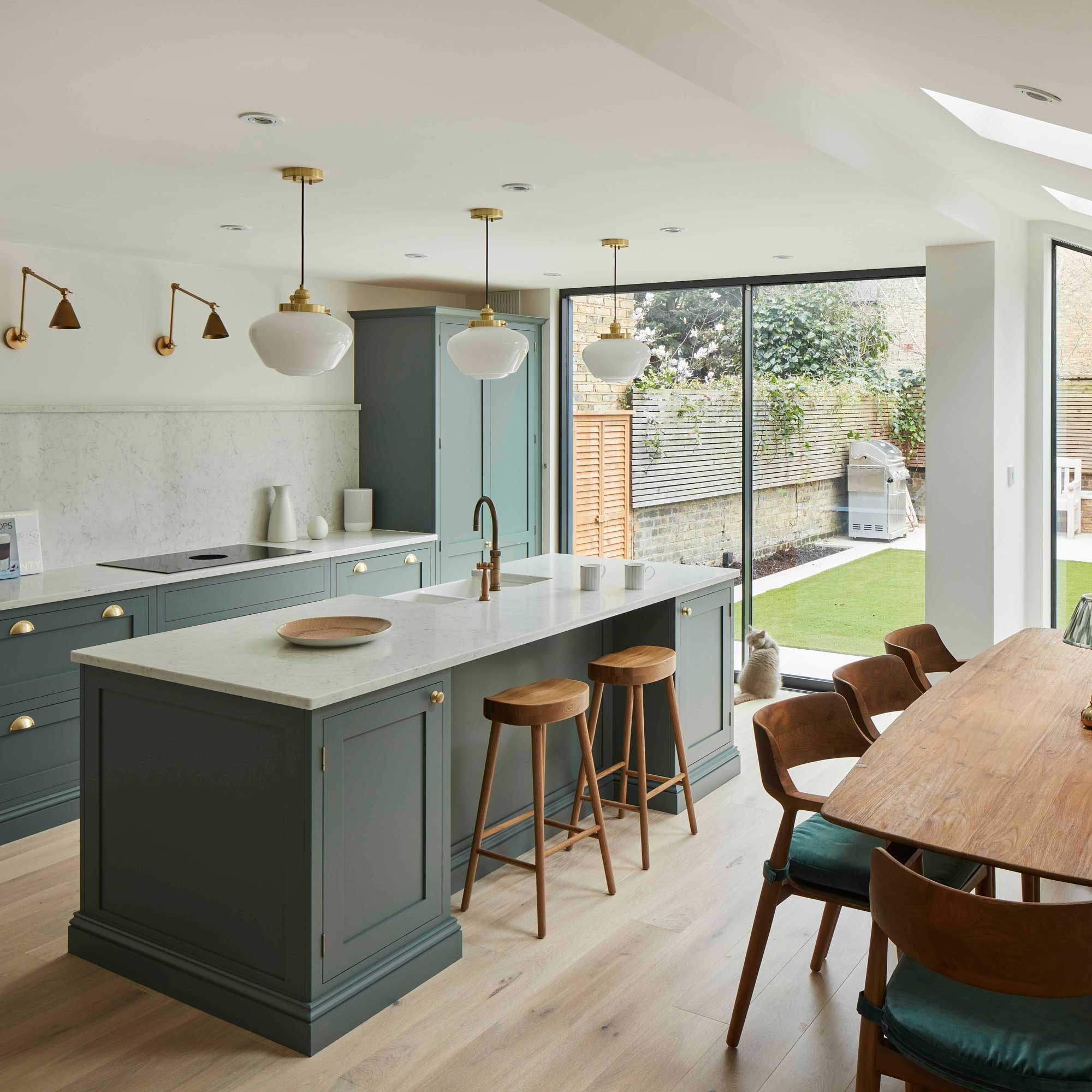
Credit: cinemaximiliaan.org
Kitchen Design: Integrating Style And Function
The kitchen often sets the tone for the whole space. It should feel connected to the dining area but still work for serious cooking.
Choosing Cabinet Styles
Flat-front cabinets in soft colours look modern and seamless. Shaker styles give a classic touch. Choose handles that match your dining chairs or lighting for unity.
Worktops And Splashbacks
Quartz, granite, or wood worktops are popular. Use the same material for both kitchen island and dining table for a luxury feel. For splashbacks, try metro tiles or glass in your accent colour.
Kitchen Islands And Breakfast Bars
A kitchen island is a natural divider. It provides extra work space and a place for guests to sit. If space is tight, a breakfast bar with stools can double as a quick dining spot.
Appliances: Hide Or Display?
Integrated appliances (like fridges and dishwashers with cabinet doors) keep the look streamlined. If you love retro or colourful appliances, let them act as a design feature.
Extra tip: Add a wine fridge or drinks station on the dining side of your island for easy entertaining.
Dining Area: Creating A Welcoming Space
The dining area is where people gather. It deserves as much attention as the kitchen.
Table Shape And Size
Rectangular tables suit long, narrow rooms. Round or oval tables are friendlier in square spaces. For flexibility, choose an extendable table for extra guests.
Seating Mix
Mix and match chairs and benches for a relaxed look. Upholstered chairs add comfort for long meals. Use seat cushions in your accent colour.
Display And Decoration
A statement pendant light above the table draws attention. Add a centrepiece—flowers, a bowl of fruit, or candles. Nearby, a sideboard or console can hold drinks, plates, or decor.
Art And Personal Touches
Hang artwork or family photos near the dining area. Large pieces look best in open plan rooms. Mirrors make the space feel bigger.
Non-obvious insight: A gallery wall (several frames grouped together) can help define the dining zone and add character.
Living/relaxation Zone: Comfort And Style
If your open plan kitchen diner includes a lounge area, make it inviting.
Sofa And Seating
Choose a sofa that faces into the space, not away from the kitchen. Add armchairs or pouffes for extra seating. Use throws and cushions for softness.
Tv And Media
Wall-mount the TV to save space. Hide cables in the wall or use a slim media unit. Position the TV so it can be seen from both the sofa and the dining table, if possible.
Rugs And Soft Furnishings
A large rug under the sofa area adds warmth and marks the zone. Layer with smaller rugs if needed. Choose colours and patterns that link to your kitchen and dining decor.
Plants And Accessories
Plants bring life and fresh air to open plan rooms. Place tall plants in corners or use small herbs on the kitchen island. Avoid clutter—choose a few quality accessories instead of many small ones.
Trending Now: How to Match a Kitchen Table With Your Decor
Storage Solutions For Open Plan Spaces
Storage is essential in open plan homes to keep things tidy. Clutter can spoil the look and feel quickly.
Built-in Storage
Floor-to-ceiling cabinets or shelves use space efficiently. Built-ins around a TV or along one wall can hold books, games, and more.
Hidden Storage
Use storage ottomans, baskets, or boxes under benches. Kitchen islands with drawers or shelves are ideal for pans and small appliances.
Display Shelves
Open shelves let you show off nice dishes, cookbooks, or art. Keep it simple—too much on display looks messy.
Data Table: Popular Storage Options in Open Plan Homes
| Storage Type | Best For | Example Use |
|---|---|---|
| Built-in cabinets | Maximising wall space | Books, glassware, board games |
| Kitchen island storage | Cooking essentials | Pots, pans, utensils |
| Sideboard | Dining area | Table linen, drinks, crockery |
| Baskets and bins | Quick tidy-ups | Toys, magazines, extra throws |
Practical tip: Invest in storage that suits your lifestyle. For example, families with young children need lots of easy-access bins, while frequent entertainers may want a dedicated drinks cabinet.
Personalising Your Open Plan Kitchen Diner
A well-decorated space reflects your personality. Here are ways to add character without clutter.
Artwork And Photos
Choose large pieces or groups of smaller frames to fill a wall. Use art that matches your colour scheme or brings in a fun accent.
Textiles
Cushions, rugs, curtains, and throws are easy to change with the seasons. Mix textures—velvet, linen, cotton—for a layered look.
Statement Pieces
One or two bold items, like a colourful vase, a designer lamp, or a unique dining chair, can make the whole room feel special.
Plants And Flowers
Greenery softens hard surfaces and improves air quality. Try a tall palm, trailing ivy, or kitchen herbs in pots.
Scent And Sound
Candles, reed diffusers, or fresh flowers keep the room smelling lovely. A small speaker with your favourite playlist adds atmosphere.
Extra insight: Don’t forget the ceiling! Decorative ceiling roses, beams, or painted sections can add interest overhead.
Acoustics: Managing Noise In Open Plan Spaces
One challenge of open plan living is noise. With no walls, sounds travel easily. But there are ways to keep things peaceful.
Soft Furnishings
Rugs, curtains, cushions, and upholstered furniture absorb sound. The more soft surfaces, the less echo.
Zoning With Bookcases
A tall bookcase or open shelving unit between zones helps block noise without closing off the space.
Acoustic Panels
If your room is very echoey, consider wall or ceiling panels made to absorb sound. These come in stylish designs and colours.
Expert tip: Appliances with lower decibel ratings make a big difference. Look for quieter dishwashers and extractors for the kitchen.

Credit: www.housebeautiful.com
Maximising Space In Small Open Plan Kitchen Diners
Even small homes can enjoy open plan living. Here’s how to make the most of limited square footage.
Use Light Colours
White or pale walls reflect light and make the room feel bigger.
Choose Compact Furniture
Drop-leaf tables, stackable chairs, and slimline sofas save space. Wall-mounted shelves free up floor area.
Mirrors
Large mirrors reflect light and give an illusion of more space. Place them opposite windows if possible.
Built-in Solutions
Banquette seating with storage underneath, or fitted kitchen units up to the ceiling, make the most of every inch.
Data Table: Small Space Solutions
| Solution | Benefit | Example |
|---|---|---|
| Drop-leaf table | Expands for guests | Seats 2 daily, 4 when needed |
| Banquette seating | Storage plus seating | Hinged bench under window |
| Wall shelves | Display without using floor space | Open shelving above worktops |
| Sliding doors | Separate zones if needed | Glass pocket door to utility room |
Non-obvious insight: In small rooms, use furniture with legs (not solid to the floor) to keep sightlines open and make the space feel less crowded.
Common Mistakes To Avoid
Decorating an open plan kitchen diner is exciting, but some mistakes can spoil the effect.
- Ignoring zoning: Without clear zones, the room feels chaotic.
- Too many colours: This can make the space look busy and disjointed.
- Poor lighting: Relying on a single ceiling light makes the room flat and dull.
- Not enough storage: Clutter builds up quickly in open plan spaces.
- Oversized furniture: Pieces that are too big block movement and look awkward.
- Neglecting acoustics: Hard surfaces amplify noise, making it hard to relax.
- Uncoordinated styles: Mixing too many design themes can be confusing.
Practical advice: Take photos of your space as you decorate. It’s easier to spot problems in a picture than in person.
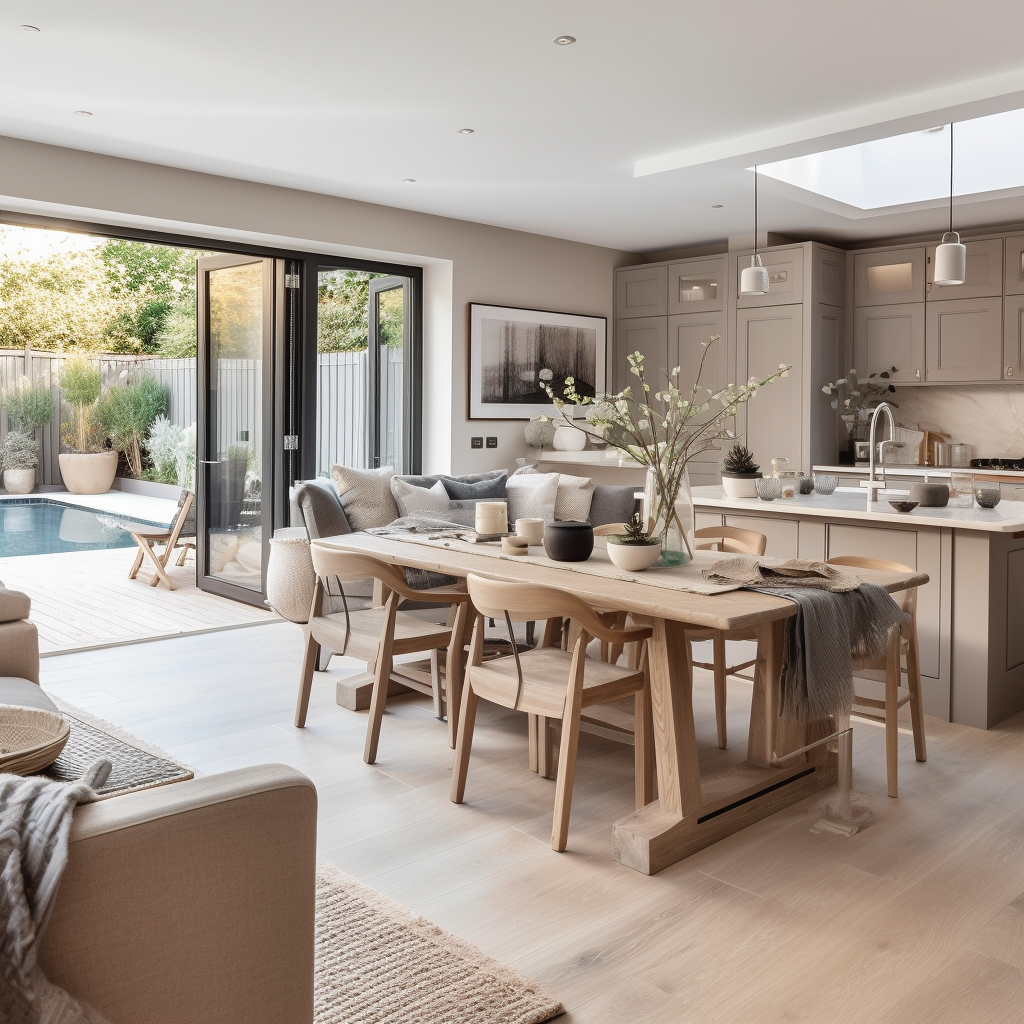
Credit: www.thelivinghouse.co.uk
Sustainability And Smart Upgrades
Modern decorating is about more than style. Eco-friendly choices and smart technology make your space future-proof.
Sustainable Materials
Choose furniture from FSC-certified wood or recycled materials. Use natural fabrics like cotton, wool, or linen.
Energy Efficiency
LED bulbs, good insulation, and A-rated appliances save money and reduce your carbon footprint. Solar-powered lights for the dining area or garden are a good addition.
Smart Home Features
Smart thermostats, lighting, or voice assistants can make your open plan kitchen diner more comfortable and convenient. Control the lights or music from your phone.
For more on sustainable design, visit RIBA.
Frequently Asked Questions
How Do I Choose A Colour Scheme For An Open Plan Kitchen Diner?
Pick one base colour for the walls, such as warm white or pale grey. Add 2-3 accent colours for different zones, and repeat these accents in furniture, cushions, or art. Use natural materials like wood or metal to add texture without adding more colours.
What Is The Best Way To Separate The Kitchen And Dining Areas Without Walls?
Use furniture placement, rugs, or changes in lighting to define each zone. A kitchen island, different flooring, or a statement light fixture above the dining table can all create boundaries without building walls.
How Can I Reduce Noise In An Open Plan Kitchen Diner?
Add soft furnishings like rugs, curtains, and cushions to absorb sound. Use bookcases or open shelving as partial dividers. Choose quiet kitchen appliances and consider acoustic panels if you have a lot of hard surfaces.
What Type Of Flooring Is Best For Open Plan Spaces?
Consistent flooring throughout (like engineered wood or luxury vinyl) creates unity. Tiles are practical in the kitchen, while wood or vinyl is warmer for dining and lounge zones. Use a transition strip where different floors meet.
How Do I Make A Small Open Plan Kitchen Diner Feel Bigger?
Use light colours for walls and furniture, add mirrors to reflect light, and choose compact or multi-use furniture. Keep the space tidy with smart storage solutions. Opt for furniture with legs to keep the room feeling open.
Decorating an open plan kitchen diner takes thought and planning, but the result is a space that brings people together. With smart zoning, a unified colour scheme, layered lighting, and the right furniture, your open plan home can be stylish, comfortable, and practical.
Whether you have a large family or love to entertain, these ideas will help you create a kitchen diner you’ll enjoy for years to come.