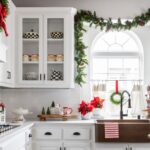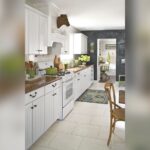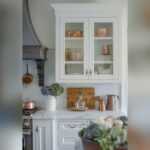

Decorating kitchen cupboard doors is a smart and affordable way to refresh your home. Many people think a kitchen renovation means big changes and high costs. But small updates, like cupboard door makeovers, can make a huge impact. Whether you want a modern look or a cosy vibe, there are many ways to transform your kitchen cupboards without replacing them.
This guide will show you practical ideas, step-by-step instructions, and expert advice to help you decorate your kitchen cupboard doors with confidence.
Changing the appearance of your cupboard doors can improve the whole feel of your kitchen. It’s also a great way to express your personality. You might choose bold colours, stylish handles, or creative patterns. Some methods are simple and can be done in a weekend, while others need a bit more planning.
Many options are budget-friendly, and most do not require professional help. You will learn what works for different cupboard materials, how to avoid common mistakes, and how to make your changes last.
Understanding Your Cupboard Doors
Before you start decorating, it’s important to know what type of cupboard doors you have. Different materials and finishes need different approaches. Some decorations work well on wood, but not on laminate or glass. Identifying your doors will help you choose the best decorating method.
Types Of Cupboard Doors
- Solid Wood: Strong, easy to paint or stain, ideal for many decoration styles.
- Laminate: Smooth, often needs special paint or adhesive; can be tricky for some DIY methods.
- MDF (Medium Density Fibreboard): Usually painted, absorbs paint well, but can swell with moisture.
- Glass: Needs gentle handling, works well with decals, frosted films, or painting.
- Metal: Less common, mostly in modern kitchens, best for magnetic decorations or spray paint.
Why Material Matters
Decorating success depends on the cupboard material. For example, wood doors can be sanded and repainted easily, while laminate needs a specific primer. Glass doors allow for unique effects like frosted finishes. If you’re unsure about your cupboard material, look at the inside edge or check the manufacturer’s details.
Choosing Your Decoration Style
Your kitchen style, personal taste, and budget will guide your choices. Here are some popular cupboard door decoration styles:
- Modern minimalism: Simple colours, clean lines, matte finishes.
- Rustic charm: Distressed paint, natural wood, vintage handles.
- Bold colours: Bright paints, graphic patterns, statement hardware.
- Classic elegance: Neutral tones, subtle textures, polished handles.
- Eclectic: Mix of colours, patterns, and materials.
Think about the colours already in your kitchen and the mood you want to create. Light colours make small kitchens feel larger. Dark tones add drama but can make a space feel smaller. Patterns and textures can add interest, but too many can be overwhelming.
Try to balance your choices for a pleasing effect.

Credit: www.fynesdesigns.com
Preparation Steps
Good preparation leads to great results. Decorating cupboard doors is not just about choosing paint or stickers — you need to prepare the surface for lasting changes.
Cleaning And Priming
Start by cleaning the doors with warm water and mild soap. Remove grease, dust, and old stickers. For tough stains, use a gentle cleaner. Let the doors dry completely.
If you plan to paint or stick something to the doors, use a primer suitable for your material. For laminate, a special adhesion primer is needed. Wood can be sanded before priming. Priming ensures the decoration sticks well and lasts longer.
Removing Doors And Hardware
Taking the doors off the hinges makes decorating easier. Label each door if you have many cupboards, so you can put them back correctly. Remove handles, knobs, and hinges. Keep the hardware in a safe place.
Filling And Sanding
If your doors have holes or scratches, fill them with wood filler or putty. Sand the surface lightly to smooth it out. Wipe away dust after sanding.
Painting Cupboard Doors
Painting is one of the most popular and effective ways to update kitchen cupboards. It’s budget-friendly and offers many colour choices.
Choosing Paint
Use paint that is made for kitchen surfaces. Acrylic enamel and chalk paint are good options. They are durable and easy to clean. Avoid regular wall paint, as it may chip or peel.
Tools Needed
- Brushes (various sizes)
- Rollers
- Painter’s tape
- Drop cloth
- Sandpaper (medium and fine grit)
- Primer
Steps To Paint
- Remove doors and hardware.
- Clean and sand the doors.
- Apply primer and let it dry.
- Use painter’s tape to cover areas you don’t want painted.
- Paint with a roller for flat areas and a brush for edges.
- Let the first coat dry, then apply a second coat if needed.
- Allow paint to cure fully (usually 24–48 hours).
- Reattach hardware and doors.
Practical Tips
- Paint in a well-ventilated area.
- Use thin coats to avoid drips.
- Allow each coat to dry completely.
Common Mistakes
- Skipping primer, which can cause peeling.
- Painting in humid conditions, leading to uneven drying.
- Using thick coats, which show brush marks.
Adding Patterns And Textures
Patterns and textures make cupboard doors stand out. You can use stencils, decals, wallpaper, or even fabric.
Stencilling
Stencils are reusable templates for creating designs. You can buy or make your own. Stencil patterns like geometric shapes, floral designs, or stripes are popular.
Steps
- Choose a stencil and secure it with painter’s tape.
- Use a sponge or brush to dab paint over the stencil.
- Remove the stencil while the paint is wet to avoid smudges.
- Clean the stencil and reuse as needed.
Decals And Stickers
Decals are easy to apply and remove. They come in many styles, from simple shapes to detailed images.
Tips
- Use decals on smooth surfaces like laminate or glass.
- Clean the door before applying for better adhesion.
- Choose vinyl decals for durability.
Wallpaper And Fabric
Wallpaper and fabric add texture and colour. Cut them to fit the door, then use adhesive spray or glue.
Steps
- Measure and cut wallpaper/fabric.
- Apply adhesive evenly.
- Smooth out bubbles with a flat tool.
- Trim excess material.
Creative Examples
- Floral wallpaper for a vintage look.
- Textured fabric for cosy style.
- Metallic decals for modern kitchens.
Upgrading Handles And Hardware
Changing cupboard handles is a quick and dramatic improvement. Handles, knobs, and pulls come in many shapes, sizes, and finishes.
Popular Materials
- Brass: Classic, warm tone, suits traditional kitchens.
- Stainless steel: Sleek, modern, easy to clean.
- Ceramic: Colourful, great for rustic or country styles.
- Glass: Elegant, perfect for vintage themes.
How To Choose
Consider the size and weight of your doors. Large doors need strong handles. Match hardware with the overall kitchen style. Mixing materials can add character, but stick to a theme for harmony.
Installation Tips
- Measure the distance between holes before buying new hardware.
- Use a template to drill holes for new handles.
- Tighten screws firmly, but avoid overtightening.
Common Mistakes
- Not checking hole spacing.
- Installing handles at uneven heights.
- Choosing hardware that’s too small or weak.
Applying Glass And Mirror Effects
Glass cupboard doors can be frosted, painted, or decorated with films. Mirror effects add brightness and make small kitchens feel larger.
Frosted Glass
Frosted films are easy to apply and give privacy. They come in patterns or plain finishes.
Steps
- Clean the glass thoroughly.
- Cut film to size.
- Apply film and smooth out bubbles.
Painted Glass
Use special glass paint for permanent designs. Stained glass effects are possible with coloured paints.
Mirror Stickers
Mirror stickers reflect light and create a spacious feeling. They are easy to apply but need careful placement.
Practical Examples
- Frosted glass for hiding contents.
- Mirror stickers for a modern touch.
- Painted glass for colourful accents.
Installing Open Shelving And Glass Inserts
Some people remove cupboard doors entirely and install open shelves or glass inserts. This creates a lighter and more open look.
Benefits
- Makes kitchens feel larger.
- Shows off attractive dishes or glassware.
- Easy access to items.
How To Do It
- Remove doors and hinges.
- Install shelves or glass panels.
- Paint or finish exposed wood.
Considerations
- Open shelves need regular cleaning.
- Glass inserts are fragile — use tempered glass.
- Not all cupboards can be converted easily.
Credit: www.b4andafters.com
Using Adhesive Films And Contact Paper
Adhesive films, also known as contact paper, are a low-cost way to change the look of cupboard doors.
Types
- Wood grain
- Marble effect
- Patterned colours
Steps
- Measure and cut film.
- Apply slowly, smoothing bubbles as you go.
- Trim edges neatly.
Durability
High-quality contact paper lasts for years. It is water-resistant and easy to clean. Avoid cheap films that peel or bubble.
Common Mistakes
- Not measuring correctly.
- Applying over dirty surfaces.
- Using low-quality adhesive.
Adding Mouldings And Trim
Mouldings are decorative strips added to the edges or faces of cupboard doors. They create depth and detail.
Types Of Mouldings
- Shaker style: Simple square edges.
- Beaded trim: Decorative lines.
- Raised panels: Adds height and shadow.
Installation Steps
- Cut mouldings to size.
- Attach with wood glue or small nails.
- Fill gaps and sand smooth.
- Paint or stain to match the doors.
Design Tips
- Use trim to create frames or patterns.
- Paint mouldings a contrasting colour for bold effects.
- Keep designs simple for modern kitchens.
Comparing Popular Decorating Methods
To help you choose, here is a comparison of three common cupboard door decorating methods:
| Method | Difficulty | Cost | Durability | Best For |
|---|---|---|---|---|
| Painting | Medium | Low–Medium | High | Most materials |
| Contact Paper | Easy | Low | Medium | Laminate, MDF |
| Decals | Easy | Low | Medium | Glass, Laminate |
Smart Storage And Functional Decorations
Decorating isn’t just about looks. You can add functionality to your cupboard doors.
Chalkboard Paint
Paint a section with chalkboard paint to create a message centre, shopping list, or recipe board.
Magnetic Paint
Apply magnetic paint, then use magnets to hold notes, photos, or small tools.
Hooks And Racks
Install hooks on the inside of doors for hanging utensils, towels, or cleaning supplies.
Practical Examples
- Chalkboard paint for family messages.
- Magnetic paint for recipes.
- Hooks for easy access to kitchen tools.
Using Lighting For Cupboard Doors
Lighting can highlight your decorated doors and add ambience.
Led Strips
Attach LED strips along the top or bottom of cupboards. Choose warm or cool tones to match your kitchen.
Puck Lights
Small, round lights that can be stuck inside cupboards or under shelves.
Backlighting Glass Doors
Install lights behind glass doors for a soft glow.
Tips
- Use battery-powered lights for easy installation.
- Choose waterproof lights in areas near sinks.
- Hide wires for a clean look.
Professional Vs Diy Decoration
Some decorations are easy to do yourself, while others may need professional help.
Diy Benefits
- Lower cost
- Flexible schedule
- Personal satisfaction
When To Hire A Professional
- Installing glass inserts
- Applying complex mouldings
- Large-scale painting projects
Cost Comparison
| Decoration | DIY Estimated Cost | Professional Estimated Cost | Time Required (DIY) |
|---|---|---|---|
| Painting | £40–£150 | £200–£600 | 2–3 days |
| Contact Paper | £10–£40 | £70–£150 | 1 day |
| Glass Inserts | £60–£200 | £250–£900 | 2–4 days |

Credit: www.hello-hayley.com
Eco-friendly Decoration Choices
Many people want to make eco-friendly choices. You can decorate your kitchen cupboard doors with minimal environmental impact.
Options
- Use low-VOC paints for cleaner air.
- Recycle old doors with new finishes.
- Choose sustainable materials like bamboo handles.
- Upcycle fabric or wallpaper.
Practical Insights
- Low-VOC paints are safer for children and pets.
- Upcycling reduces waste and saves money.
Decorating For Small Kitchens
Small kitchens need special planning. Too much decoration can make them feel crowded.
Tips
- Use light colours to open up space.
- Avoid heavy patterns.
- Choose slim handles and minimal trim.
- Add mirrors or glass for extra light.
Examples
- White paint with simple brass handles.
- Glass inserts to show off colourful dishes.
- Thin mouldings for subtle detail.
Mistakes Beginners Often Make
Decorating cupboard doors is simple, but there are pitfalls. Here are two non-obvious mistakes:
- Ignoring humidity: Kitchens are humid. If you use the wrong paint or adhesive, decorations may peel or warp. Always choose products labelled for kitchen use.
- Skipping surface preparation: Even small bits of grease or dust can ruin paint or stickers. Clean and sand thoroughly, even if the doors look clean.
Another common mistake is not testing colours or materials. Try a small area first before doing the whole kitchen.
How To Make Decorations Last
You want your cupboard door decorations to stay beautiful for years. Here’s how:
- Use high-quality paints and adhesives.
- Let each layer dry fully before adding the next.
- Clean decorated doors gently with a soft cloth.
- Avoid harsh chemicals that can damage finishes.
For painted doors, add a clear topcoat for extra protection. For stickers and decals, press down firmly and smooth out bubbles.
Real-world Example: Sarah’s Kitchen Makeover
Sarah, from Manchester, wanted to update her kitchen but had a limited budget. She painted her MDF cupboard doors with a soft blue chalk paint, added brass handles, and used floral decals on two glass doors. The results were impressive — her kitchen looked brighter and more welcoming. The project took three days and cost under £120. Sarah’s tip: “Clean and sand properly, and don’t rush the painting. Small details, like handles, make a big difference.”
Where To Find Materials
You can buy cupboard decoration materials in DIY stores, online shops, or specialised retailers. Look for paints and adhesives labelled for kitchen use. For unique hardware, try vintage stores or handmade sellers.
For inspiration, visit Houzz UK, which has many real-life examples and tips.
Frequently Asked Questions
How Do I Remove Old Paint From Cupboard Doors?
Use a paint stripper or sanding tool. For wood doors, sanding is best. For laminate, avoid harsh chemicals. Clean thoroughly after removing paint.
Can I Decorate Cupboard Doors Without Removing Them?
Yes, but it’s easier and neater if you remove them. If you leave them attached, use painter’s tape and protect surrounding areas.
What Is The Best Paint For Kitchen Cupboard Doors?
Acrylic enamel and chalk paint are durable and easy to clean. Choose paints labelled for kitchen surfaces.
How Do I Fix Peeling Stickers Or Decals?
Clean the area, remove the old sticker, and apply a new one. Press firmly and smooth out bubbles. Use high-quality vinyl decals for better adhesion.
Are Decorated Cupboard Doors Easy To Clean?
Yes, if you use durable paint or high-quality adhesives. Clean gently with a soft cloth and avoid harsh chemicals.
Decorating kitchen cupboard doors is an enjoyable project that can change the look of your kitchen without a full renovation. With careful planning, good materials, and attention to detail, you can achieve results that last. Remember to prepare surfaces well, choose decorations that fit your style, and use products made for kitchens.
Whether you want a quick update or a full makeover, the right approach will make your kitchen feel fresh and inviting for years to come.