
Decorating kitchen wall tiles is one of the fastest ways to transform your cooking space. Tiles cover a big area and catch the eye immediately. But many people ignore them, thinking that tiles are only for protection or that decoration is too tricky.
In reality, you can turn plain tiles into a stylish feature with simple ideas and a bit of creativity. Whether you rent or own your home, there are solutions for every budget and taste. This guide will show you how to decorate kitchen wall tiles, with practical advice, clever tips, and examples to help you make the most of your kitchen walls.
Why Decorate Kitchen Wall Tiles?
Kitchen wall tiles have a bigger impact than you might realise. Tiles are often at eye level and run along the main workspace. Decorating them can:
- Make the kitchen feel bigger or cosier depending on the style and colours
- Show your personality and taste
- Cover imperfections like cracks or stains
- Add value if you plan to sell your home
Most kitchens have a tiled backsplash, but in some homes, tiles cover the whole wall. Both areas offer plenty of space for decoration. Even small changes can make your kitchen feel new without a major renovation.
Assessing Your Kitchen Wall Tiles
Before you start, look closely at your tiles. Not all tiles are the same, and your decoration choices depend on their material, shape, and condition.
Types Of Tiles
Kitchen wall tiles come in several materials:
- Ceramic – Most common, easy to clean, good for painting or decals.
- Porcelain – Harder and more water-resistant, slightly trickier to decorate.
- Glass – Very smooth, best for stickers or removable decals.
- Stone (like marble, granite, slate) – Natural look, needs special paint and care.
- Metal – Used in modern kitchens, often behind stoves.
Tile Surface And Finish
Tiles can be glossy or matte, smooth or textured. Glossy tiles are easier for stickers and decals; matte or rough tiles need paint or grout-based decoration.
Tile Condition
Check for:
- Cracks or chips – Fix these before decorating.
- Mould or stains – Clean thoroughly; decoration will not stick properly otherwise.
- Loose tiles – Repair them first.
Tile Layout
Look at the size and pattern:
- Small tiles can be decorated with repeating patterns.
- Large tiles suit bigger designs or single motifs.
- Mosaic tiles offer less space for each design but can be highlighted with grout colour.

Credit: www.tileclub.com
Cleaning And Preparing Tiles
Clean tiles are the foundation for successful decoration. Dirt, grease, or moisture can ruin paint, stickers, or other materials.
Cleaning Steps
- Wipe tiles with warm soapy water – Removes surface dirt.
- Scrub grout lines – Use a toothbrush or grout brush.
- Rinse and dry – Moisture can cause stickers or paint to peel.
- Degrease – Kitchens collect oil; use a degreasing cleaner for stubborn spots.
Repairing And Priming
- Fill cracks with tile filler or silicone.
- Remove old grout if it’s stained, and add fresh grout.
- For painting, apply a tile primer so paint sticks better.
Methods To Decorate Kitchen Wall Tiles
There are many ways to decorate kitchen wall tiles. Some are permanent, others are temporary and easy to remove. Choose based on your goals and whether you rent or own your home.
1. Painting Tiles
Painting is the most direct way to change tile colour or add patterns. Modern tile paints are durable and easy to use.
How To Paint Tiles
- Clean and dry tiles well.
- Sand lightly with fine sandpaper for better paint grip (skip for glass tiles).
- Apply tile primer (for ceramic or porcelain).
- Paint with tile paint using a brush or roller. Use stencils for patterns.
- Let dry completely, then add a sealer if needed.
Tips
- Use oil-based or epoxy tile paint for best results.
- Avoid painting tiles directly behind stoves; heat can damage paint.
- For bold patterns, try geometric shapes or stripes.
Example
A UK survey by Homebuilding & Renovating found that painting tiles is the top budget-friendly upgrade for kitchens, costing an average of £50–£100 for materials.
2. Using Tile Decals And Stickers
Tile decals are perfect for renters or anyone who wants a quick change. They peel off easily without damaging tiles.
Applying Decals
- Clean tiles thoroughly.
- Measure the decal size; most are made for standard tiles (10×10 cm or 15×15 cm).
- Peel and stick, smoothing with a card to avoid air bubbles.
Tips
- Choose waterproof, heat-resistant decals for kitchen areas.
- Try repeating patterns for a classic look, or mix and match styles.
Example
A kitchen with plain white tiles can be transformed with Moroccan-inspired decals for less than £30. Many UK shops offer sets of 24–48 decals.
3. Grout Colouring
Changing the grout colour between tiles can make old tiles look fresh. Grout pens or grout paint are widely available.
How To Colour Grout
- Clean grout thoroughly.
- Use a grout pen or brush to apply colour.
- Let dry and wipe off excess.
Tips
- White or light grout makes the kitchen feel brighter.
- Dark grout hides stains and gives a modern look.
- For mosaics, try colourful grout for a playful effect.
4. Adding Wall Art
If you don’t want to touch the tiles themselves, hang artwork or decorative items over the tiled area. Use adhesive hooks, magnetic frames, or stands.
Ideas
- Framed prints or photos with food themes
- Metal or wooden signs
- Decorative plates or utensils
Tips
- Choose lightweight items for safety.
- Avoid nails or screws that can crack tiles; use stick-on hooks.
5. Installing Open Shelves
Open shelves mounted above or along tiled walls can change the look and add storage. They also break up the tile space visually.
How To Install Shelves
- Use strong adhesive brackets if you don’t want to drill.
- Keep shelf height above head level for safety.
- Decorate with plants, jars, or cookbooks.
Example
A 2026 UK kitchen trends report showed that open shelves increase perceived space and let homeowners display personal items, making kitchens feel warmer.
6. Applying Temporary Wallpaper
Peel-and-stick wallpaper can cover tiles if you want a bold pattern or colour. Make sure it’s rated for kitchens and moisture.
Steps
- Clean tiles and let them dry.
- Measure the area and cut wallpaper.
- Apply carefully, smoothing out bubbles.
Tips
- Use wallpaper for backsplashes or areas away from the stove.
- Avoid covering cracked or damaged tiles; wallpaper will not hide uneven surfaces.
7. Using Tile Mats And Covers
Tile mats are thin sheets that cover several tiles at once. They stick on and can be removed later.
Benefits
- Good for renters; no damage to original tiles.
- Quick to apply and remove.
- Variety of patterns and colours.
Example
Some mats are magnetic and work on metal tiles or frames. Others use strong adhesive that leaves no residue.
8. Creating A Mosaic Feature
If you want a unique look, add mosaic tiles or glass pieces over a section of your wall. This is more permanent, but can be a real focal point.
How To Make A Mosaic
- Clean and prime the area.
- Arrange mosaic pieces in a pattern.
- Use tile adhesive to fix pieces.
- Fill gaps with grout.
Tips
- Use mosaics for a small area, like behind the sink.
- Try mixing colours for a lively effect.
9. Adding Plants And Greenery
Plants add life to any kitchen. Attach small planters or holders to tiled walls using adhesive hooks.
Ideas
- Herb planters for fresh basil or mint
- Succulents for low-maintenance greenery
- Hanging pots for trailing plants
Tips
- Choose plants that thrive in humid environments.
- Avoid heavy pots; stick to small, lightweight planters.
10. Using Light Fixtures
Lights can highlight tiles and add warmth. Install LED strips or small wall lamps above or below the tiled area.
Benefits
- Makes the kitchen feel brighter and more welcoming.
- Highlights decorative tiles or patterns.
Tips
- Use waterproof fixtures for safety.
- LED strips are energy-efficient and easy to install.
Comparing Decoration Methods
To help you choose, here’s a comparison of the most popular methods:
| Method | Difficulty | Cost Range | Permanent? | Best For |
|---|---|---|---|---|
| Painting Tiles | Medium | £50–£150 | Yes | Homeowners |
| Tile Decals | Easy | £15–£50 | No | Renters |
| Grout Colouring | Easy | £10–£30 | Yes | Budget Updates |
| Temporary Wallpaper | Easy | £25–£80 | No | Bold Designs |
| Mosaic Feature | Hard | £80–£250 | Yes | Custom Look |
Choosing Colours And Styles
Colour is key in any kitchen tile decoration. The right shades and styles can make your kitchen feel larger, cosier, or more modern.
Colour Effects
- Light colours (white, cream, pale blue) make kitchens feel bigger and cleaner.
- Dark colours (navy, grey, black) add drama but can shrink the room visually.
- Bold colours (yellow, red, green) energise the space, but use them in moderation.
Matching With Kitchen Style
Classic Kitchens
- Use subway tiles with white or light grout.
- Soft pastel decals or painted patterns.
Modern Kitchens
- Try geometric decals, metallic finishes, or dark grout.
- Glossy tiles with minimal decoration.
Rustic Kitchens
- Earthy tones, brick-style tiles, mosaic features.
- Wooden shelves or planters for warmth.
Eclectic Kitchens
- Mix and match patterns, colours, and styles.
- Bold decals or wallpaper.
Practical Style Tips
- Keep patterns simple for small kitchens.
- Use brighter colours near windows to reflect light.
- Match tile decoration with your worktop and cabinets for a unified look.
Data: Uk Kitchen Tile Trends
According to the National Kitchen and Bath Association (NKBA), UK kitchens are moving towards:
- Matte finish tiles (up 22% from 2020)
- Bold grout colours (up 17%)
- Removable tile decals (used in 35% of new rentals)
- Open shelves (now in 42% of new kitchens)
These trends show that homeowners and renters want flexible, stylish options that don’t require major construction.
Common Mistakes And How To Avoid Them
Decorating kitchen wall tiles can go wrong if you’re not careful. Here are some mistakes beginners make:
1. Not Cleaning Tiles Properly
Paint, decals, or wallpaper will not stick to greasy or dirty tiles. Always clean first.
2. Choosing The Wrong Materials
Some paint or decals are not waterproof or heat-resistant. Check labels before buying.
3. Ignoring Tile Condition
Cracked or uneven tiles should be fixed before decoration. Otherwise, results will look messy.
4. Over-decorating
Too many patterns or colours can make the kitchen feel chaotic. Stick to a theme.
5. Using Harsh Cleaners After Decorating
Avoid strong chemicals that can damage paint or decals. Use mild soap and water.
Step-by-step Guide: Painting Kitchen Tiles
Painting is one of the most popular ways to decorate tiles. Here’s a practical guide:
- Clean tiles thoroughly with degreaser.
- Sand lightly to help paint stick (skip for glass).
- Apply tile primer and let dry for 2–3 hours.
- Paint with tile paint in thin layers. Let each layer dry completely.
- Use stencils for patterns, or freehand for a unique look.
- Seal with clear varnish for extra protection.
Example: Painting White Tiles With Blue Pattern
Imagine you have plain white tiles. You want a Mediterranean look. Use blue tile paint and a stencil for geometric patterns. Paint two coats, let dry, then seal. The result is a fresh, lively kitchen wall.
Step-by-step Guide: Using Tile Decals
Decals are quick and renter-friendly. Here’s how to apply them:
- Clean tiles and dry completely.
- Measure tile size to match decals.
- Peel decal backing and align on tile.
- Stick decal and smooth with a card.
- Trim edges if needed.
Example: Moroccan Decal Set
Buy a set of Moroccan decals for £25. Apply to every other tile for a pattern. Remove easily when you move out or want a new look.
Maintenance After Decorating
Decorated tiles need care to keep them looking good. Here’s how:
- Clean gently with soft cloth and mild soap.
- Avoid abrasive sponges that can scratch paint or decals.
- Check for peeling or cracks regularly.
- Touch up paint or replace decals as needed.
For permanent changes (like painting or mosaics), check every six months for wear, especially near the sink or stove.
Advanced Ideas For Creative Kitchens
If you want to stand out, try these advanced ideas:
1. Chalkboard Tiles
Paint a section with chalkboard paint. Write shopping lists or recipes directly on the wall.
2. Metallic Accents
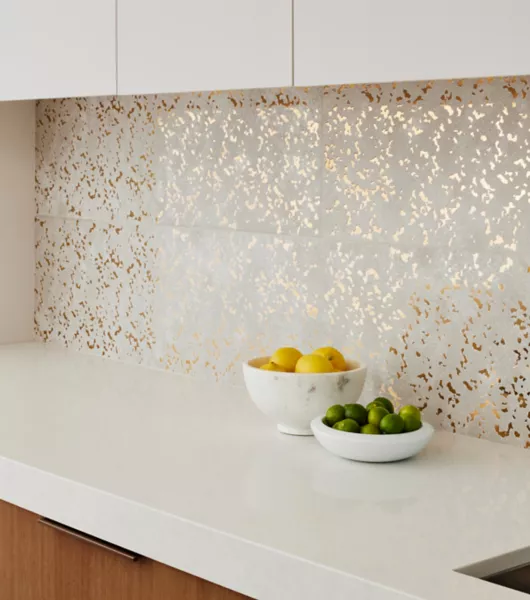
Add metallic stickers or paint for a modern look. Use gold, silver, or copper touches.
3. Custom Photo Tiles
Print family photos onto adhesive tile covers. This is a unique way to personalise your space.
4. Pattern Mixing
Combine two or three patterns, but keep colours similar. For example, mix stripes and dots in shades of blue.
5. 3d Tile Overlays
Some companies make 3D overlays you stick on tiles for texture. Try brick or wave designs for depth.
Credit: www.tileshop.com
Data Table: Tile Decoration Lifespan
How long do different decoration methods last? Here’s a guide:
| Decoration Type | Average Lifespan | Maintenance Level | Removable? |
|---|---|---|---|
| Painted Tiles | 3–5 years | Medium | No |
| Tile Decals | 1–2 years | Low | Yes |
| Temporary Wallpaper | 1–3 years | Low | Yes |
| Mosaic Feature | 10+ years | High | No |
Environmental And Safety Considerations
When choosing decoration methods, think about health and the environment.
- Use low-VOC paints to reduce fumes.
- Avoid toxic adhesives; many decals are now eco-friendly.
- Check fire safety ratings for wallpaper or stickers near stoves.
- Recycle old decals or paint cans properly.
Where To Find Materials
You can buy tile decoration materials in DIY shops, online stores, or specialist tile shops.
- Tile paint and primer: B&Q, Wickes, Homebase
- Decals and stickers: Etsy, Amazon, local craft shops
- Wallpaper: Graham & Brown, Dunelm
- Shelves and hooks: IKEA, Argos
For more detailed guides, see WikiHow.
Budgeting For Kitchen Tile Decoration
Costs can range from £10 (for grout pens) to £250 (for mosaic features). Here’s an estimated breakdown:
| Method | Material Cost | Labour Cost | Total Cost |
|---|---|---|---|
| Painting Tiles | £50–£100 | £0 (DIY) | £50–£100 |
| Decals | £15–£50 | £0 (DIY) | £15–£50 |
| Wallpaper | £25–£80 | £0 (DIY) | £25–£80 |
| Mosaic Feature | £80–£250 | £50–£200 (optional) | £130–£450 |
Non-obvious Insights
Many beginners miss these key points:
- Tile temperature matters: Tiles near the stove or kettle can get hot, making some decals peel or paint fade. Use heat-resistant materials for these areas.
- Grout can be decorated: Most people only focus on the tile surface, but changing the grout colour or adding sparkle grout can make a big difference, especially for mosaic or plain tiles.
Another insight: Lighting changes everything. If your kitchen is dark, even the best tile decoration will not stand out. Add under-cabinet lights or LED strips to highlight your work.
Practical Dos And Don’ts
Dos
- Do clean tiles first.
- Do choose materials rated for kitchens.
- Do start with a small area to test.
- Do match tiles with worktop and cabinet colours.
- Do check fire and water resistance.
Don’ts
- Don’t use regular wall paint on tiles.
- Don’t decorate over damaged tiles.
- Don’t mix too many patterns.
- Don’t ignore grout lines.
- Don’t forget about lighting.
Frequently Asked Questions
Can I Decorate Kitchen Wall Tiles If I Rent My Home?
Yes, many methods are renter-friendly. Use tile decals, temporary wallpaper, or tile mats that peel off easily. Always check your rental agreement and test a small area first.
What Is The Easiest Way To Decorate Tiles?
The easiest method is using tile decals or stickers. They take minutes to apply, are cheap, and can be removed without damage. Decals are ideal for beginners and renters.
How Long Does Painted Tile Decoration Last?
Painted tiles usually last 3–5 years with proper care. High-traffic areas or spots near heat may need touch-ups sooner. Use tile paint and sealers for maximum durability.
Are There Eco-friendly Decoration Options?
Yes. Many decals and paints are now eco-friendly, using low-VOC formulas and recyclable materials. Look for certified products and avoid solvent-based adhesives.
Can I Mix Different Decoration Methods?
Absolutely. Mixing methods—like painting tiles, using decals, and adding open shelves—can make your kitchen unique. Just keep colours and patterns consistent for a balanced look.
Decorating kitchen wall tiles is more than a quick fix. It’s a way to express your personality, improve your kitchen’s look, and add value to your home. With so many methods—painting, decals, grout colour, art, shelves, wallpaper, mosaics, plants, and lights—you can find a solution for any budget or style.
Remember to clean, prepare, and choose the right materials. Avoid common mistakes, start small, and enjoy the process. Your kitchen will become a space you love to spend time in, whether cooking, entertaining, or relaxing.

Credit: www.tilemountain.co.uk